 Esperanto
 Shqiptare
 Euskara
 Zulu
Zulu
 Latinus
 Cymraeg
 தமிழ்
தமிழ்
 Slovak
 Slovak
 Afrikaans

Unveiling the Latest Trends in Dental Instrument Technology: Revolutionizing Patient Care and Treatment Efficiency
Release time:
2024-11-25
Source:
Unveiling the Latest Trends in Dental Instrument Technology
Table of Contents
- 1. Introduction to Dental Instrument Technology
- 2. Importance of Advanced Dental Instruments
- 3. Current Trends in Dental Instrument Technology
- 3.1 The Rise of Digital Dentistry
- 3.2 Smart Dental Instruments
- 3.3 Laser Dentistry: Precision and Efficiency
- 3.4 3D Printing in Dentistry
- 3.5 Eco-Friendly Dental Instruments
- 4. Impact of Technology on Dental Practice
- 5. The Future of Dental Instrument Technology
- 6. Frequently Asked Questions about Dental Instrument Technology
- 7. Conclusion
1. Introduction to Dental Instrument Technology
In the rapidly evolving field of dentistry, the emergence of advanced dental instrument technology plays a crucial role in enhancing both patient care and clinical efficiency. As dental professionals continue to seek ways to improve their practices, staying informed about the latest innovations in tools and equipment becomes essential. This article delves into current trends shaping the dental industry, highlighting the transformative impact of new technologies.
2. Importance of Advanced Dental Instruments
Advanced dental instruments are not merely about improved aesthetics; they significantly contribute to better patient outcomes and enhanced procedural efficiency. With the ability to perform complex tasks with greater precision and comfort, these instruments reduce the time spent on treatments and increase the overall satisfaction of patients. By integrating **state-of-the-art technology** into everyday practice, dental professionals can ensure they are providing the best possible care.
3. Current Trends in Dental Instrument Technology
The landscape of dental instruments is constantly evolving, driven by innovations aimed at improving the efficacy of treatments and ensuring patient comfort. Below are some key trends currently at the forefront of dental technology.
3.1 The Rise of Digital Dentistry
Digital dentistry has revolutionized the way dental care is administered. Technologies such as **intraoral scanners**, **digital impressions**, and **CAD/CAM systems** allow for more precise diagnostics and treatment planning. These tools not only enhance accuracy but also expedite the process of creating dental restorations, reducing the number of visits required for patients.
The adoption of **digital imaging** has made it easier for practitioners to visualize complex dental issues, leading to faster and more effective treatment decisions. Moreover, digital records streamline the administrative aspect of dental practices, making it easier to manage patient data.
3.2 Smart Dental Instruments
As the Internet of Things (IoT) permeates various sectors, dentistry is no exception. Smart dental instruments equipped with sensors and connectivity features enable real-time monitoring and data collection. For example, **smart toothbrushes** provide patients with feedback on their brushing habits, helping them maintain better oral hygiene.
In clinical settings, instruments that can communicate with each other and transmit data to dental software improve workflow and collaboration among staff. This trend not only enhances patient safety but also optimizes the overall treatment process.
3.3 Laser Dentistry: Precision and Efficiency
Laser technology has made a significant impact on dental procedures, offering a less invasive alternative to traditional methods. **Laser dentistry** allows for precise cutting and removal of tissues with minimal discomfort and bleeding. This technology is particularly beneficial in procedures such as gum reshaping, cavity treatment, and teeth whitening.
The use of lasers also reduces the need for anesthesia in many cases, which is a considerable advantage for patients who experience anxiety about dental visits. As laser technology continues to evolve, it will likely become an integral part of more dental practices.
3.4 3D Printing in Dentistry
3D printing has begun to revolutionize dental restoration and prosthetics. This technology allows for the **fabrication of customized dental devices**, from crowns to aligners, with unparalleled precision and speed. By utilizing **biocompatible materials**, dental professionals can create products tailored to the specific needs of individual patients.
The advantages of 3D printing extend to cost-effectiveness and efficiency, reducing the time required to produce dental devices. As this technology continues to advance, it is expected to become more accessible to dental practices of all sizes.
3.5 Eco-Friendly Dental Instruments
With growing awareness around environmental concerns, the dental industry is embracing sustainability. Eco-friendly dental instruments made from **biodegradable materials** and those designed for reusability are gaining traction. These innovations not only reduce waste but also appeal to environmentally conscious consumers.
Practitioners who adopt green practices in their offices often find that it enhances their brand image and attracts a new demographic of patients who prioritize sustainability in their healthcare choices.
4. Impact of Technology on Dental Practice
The integration of advanced technologies in dental practices has led to significant improvements in operational efficiency and patient satisfaction. By adopting these trends, dental professionals can enhance their treatment capabilities, reduce wait times, and provide a higher level of care.
Moreover, the ability to offer innovative treatments attracts new patients and retains existing ones. Practices that invest in leading-edge instrumentation and technology are better positioned to adapt to the fast-paced changes in the dental landscape, ensuring their long-term success.
5. The Future of Dental Instrument Technology
The future of dental instrument technology is poised for exciting advancements. As research continues and innovations are developed, we can expect to see further integration of AI and machine learning in diagnostics and treatment planning. These technologies will enhance the ability to predict patient outcomes and tailor treatments to individual needs.
Additionally, as telehealth gains momentum, dental practices may increasingly leverage digital platforms for consultations and follow-ups, improving accessibility for patients in remote areas. The combination of these trends will redefine the patient experience, making dental care more efficient, convenient, and effective.
6. Frequently Asked Questions about Dental Instrument Technology
What are the benefits of digital dentistry?
Digital dentistry improves accuracy in diagnosis and treatment planning, enhances patient comfort, and streamlines workflow in dental practices.
How does laser dentistry work?
Laser dentistry uses focused light beams to cut or remove tissue with precision, minimizing pain and bleeding during procedures.
What role does 3D printing play in dentistry?
3D printing allows for the rapid production of customized dental devices, improving precision and reducing turnaround times for restorations.
Are smart dental instruments worth the investment?
Yes, smart dental instruments can enhance patient care through improved monitoring and streamlined workflows, ultimately leading to better outcomes.
How can dental practices become more eco-friendly?
Practices can adopt eco-friendly dental instruments, reduce waste through recycling programs, and implement sustainable practices in their operations.
7. Conclusion
The field of dental instrument technology is advancing at an unprecedented pace, offering innovative solutions that significantly enhance patient care and practice efficiency. By staying informed about these trends, dental professionals can not only improve their service delivery but also position themselves as leaders in the industry.
As we continue to embrace these technologies, the future of dentistry looks promising, with the potential for improved patient experiences and outcomes. Investing in advanced dental instruments today will undoubtedly lead to a more efficient, effective, and patient-centered practice tomorrow.
Dental Instruments
Related News
2025-12-14 12:00
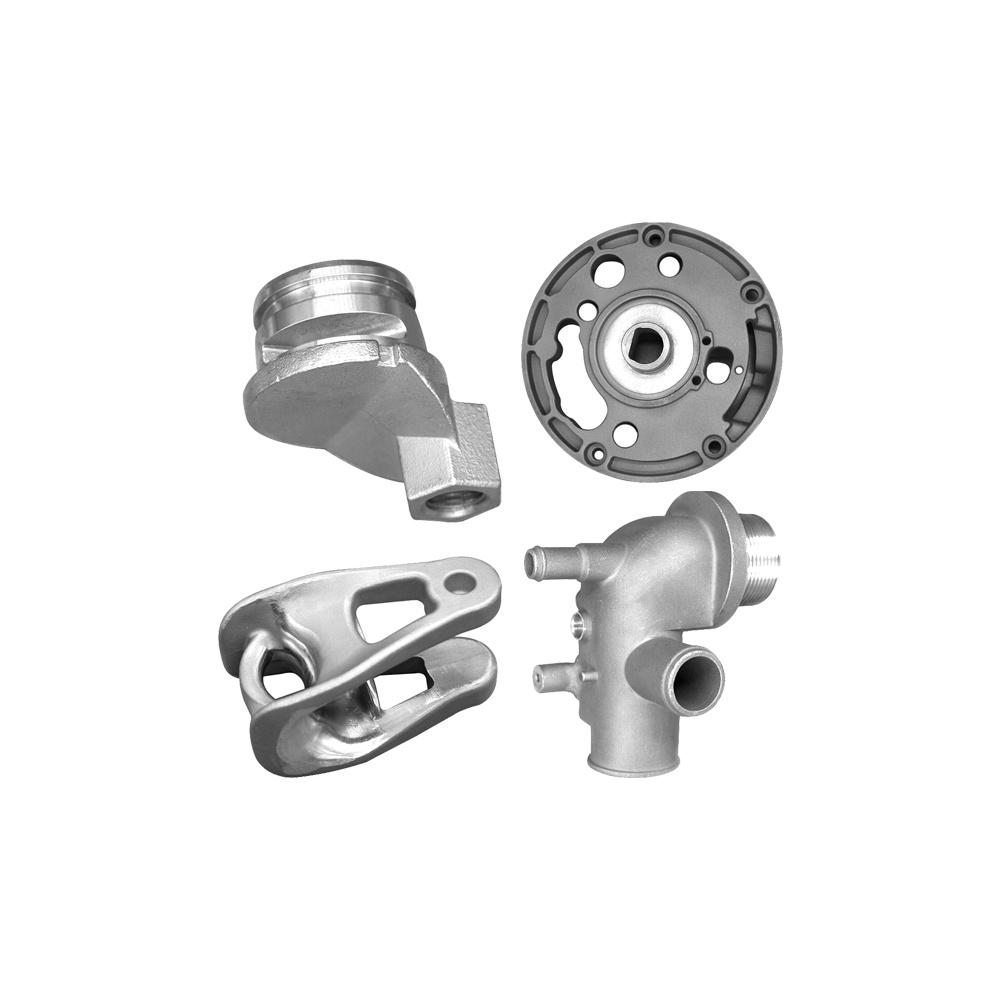
Understanding CNC Turning and Milling Parts: A Comprehensive Guide for Precision Manufacturing
CNC (Computer Numerical Control) turning and milling are essential processes in the realm of precision manufacturing. These techniques are widely employed in the machining industry for producing intricate components that meet strict tolerances and specifications. Understanding the fundamentals of CNC turning and milling parts can enhance your knowledge of how these processes contribute to quality
2025-12-09 12:10
A Comprehensive Guide to Household Appliances Maintenance: Keep Your Home Running Smoothly
A Comprehensive Guide to Household Appliances Maintenance Household appliances are the backbone of modern living, providing convenience and efficiency in our daily routines. However, just like any other mechanical devices, they require regular maintenance to function optimally. In this guide, we will explore various household appliances, their maintenance needs, and practical tips to extend their
Let’s Talk
We can help you figure out your needs.