
 Esperanto
 Shqiptare
 Euskara
 Zulu
Zulu
 Latinus
 Cymraeg
 தமிழ்
தமிழ்
 Slovak
 Slovak
 Afrikaans

Understanding CNC Turning and Milling Parts: A Comprehensive Guide for Precision Manufacturing
Release time:
2025-12-14
Source:
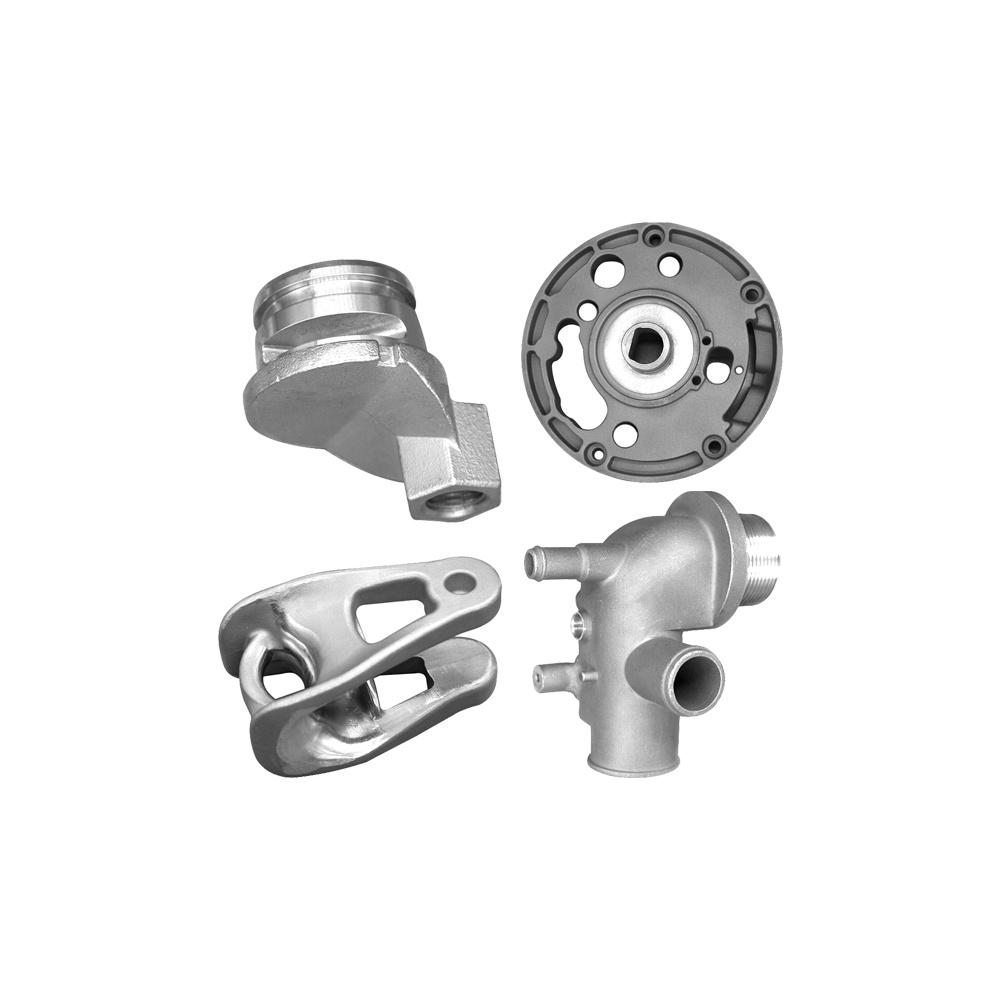
CNC turning involves rotating a workpiece against a cutting tool to remove material and shape it into a desired form. This process is particularly effective for creating cylindrical parts, such as shafts and fittings. The CNC lathe machine performs this operation, which allows for high accuracy and repeatability. By programming the machine with specific parameters, manufacturers can achieve complex geometries that would be challenging to produce manually.
On the other hand, CNC milling utilizes a rotating cutting tool to remove material from a stationary workpiece. This process is versatile and can create a variety of shapes, including flat surfaces, grooves, and intricate 3D forms. CNC milling machines are equipped with multiple axes, enabling them to move in various directions, which allows for the production of highly detailed components. The ability to program intricate designs directly into the machine’s software further enhances the level of precision that can be achieved.
Materials used in CNC turning and milling parts can vary widely, ranging from metals such as aluminum and stainless steel to plastics and composites. The choice of material often depends on the application and the mechanical properties required for the final product. For instance, lightweight materials may be preferred in aerospace applications, while high-strength materials are often necessary for automotive components.
One of the key benefits of CNC turning and milling is the ability to produce parts with tight tolerances. This level of precision is crucial in industries such as aerospace, automotive, and medical device manufacturing, where even the smallest deviation can result in failure. Additionally, CNC machining allows for efficient production runs, minimizing waste and reducing lead times.
Another important factor is the flexibility offered by CNC technology. Manufacturers can easily modify designs and production parameters to accommodate changing demands without the need for extensive retooling. This adaptability is particularly valuable in today’s fast-paced market, where customization and rapid prototyping are becoming increasingly common.
In conclusion, CNC turning and milling parts play a vital role in the manufacturing industry, providing precise and efficient solutions for creating complex components. Understanding these processes and their applications can significantly benefit businesses looking to enhance their production capabilities and meet the evolving needs of the market. Whether you are involved in design, engineering, or production, having a solid grasp of CNC machining techniques can lead to improved outcomes and greater competitiveness in the field.
CNC Turning & Milling Part
Previous
Related News
2025-12-14 12:00
Understanding CNC Turning and Milling Parts: A Comprehensive Guide for Precision Manufacturing
CNC (Computer Numerical Control) turning and milling are essential processes in the realm of precision manufacturing. These techniques are widely employed in the machining industry for producing intricate components that meet strict tolerances and specifications. Understanding the fundamentals of CNC turning and milling parts can enhance your knowledge of how these processes contribute to quality

2025-12-09 12:10
A Comprehensive Guide to Household Appliances Maintenance: Keep Your Home Running Smoothly
A Comprehensive Guide to Household Appliances Maintenance Household appliances are the backbone of modern living, providing convenience and efficiency in our daily routines. However, just like any other mechanical devices, they require regular maintenance to function optimally. In this guide, we will explore various household appliances, their maintenance needs, and practical tips to extend their
Let’s Talk
We can help you figure out your needs.