
 Esperanto
 Shqiptare
 Euskara
 Zulu
Zulu
 Latinus
 Cymraeg
 தமிழ்
தமிழ்
 Slovak
 Slovak
 Afrikaans

Essential Guide to Dental Instruments: An Overview for Dental Professionals
Release time:
2024-11-22
Source:
The range of dental instruments can be categorized into several types based on their specific functions. First and foremost, examination instruments are essential for diagnosing oral conditions. These typically include mirrors, explorers, and periodontal probes. Mirrors allow dentists to view hard-to-reach areas in the mouth, while explorers help identify cavities or surface irregularities. Periodontal probes, on the other hand, measure pocket depths around teeth, providing insights into gum health.
Another critical category of dental instruments is hand instruments. These tools are primarily used for various procedural tasks, including cavity preparation and filling. Common hand instruments include excavators, condensers, and burnishers. Excavators are designed to remove decayed tissue from cavities, while condensers pack filling material into the cavity. Burnishers smooth and polish dental materials, ensuring a smooth finish.
Moreover, there are also rotary instruments, often powered by electric or air turbines. These instruments, such as handpieces and burs, are essential for cutting, shaping, and finishing teeth. They are invaluable during procedures like tooth preparation for crowns or bridges. Understanding the different types of burs, including diamond and carbide, is essential for selecting the right tool for specific dental tasks.
In addition to these, dental instruments also encompass a range of accessories and materials, such as suction devices and irrigation tools. Suction devices are crucial for maintaining a clear working area during procedures, while irrigation tools help cleanse and disinfect the surgical site.
The sterilization and maintenance of dental instruments cannot be overlooked. Proper cleaning and sterilization protocols are essential to prevent cross-contamination and ensure patient safety. Dental professionals must be trained in the proper handling and storage of instruments to maintain their functionality and longevity.
In conclusion, dental instruments are an integral part of modern dentistry, facilitating a wide array of procedures and enhancing patient care. A thorough understanding of these instruments, along with their appropriate use and maintenance, is crucial for dental professionals. By staying informed about the latest advancements in dental tools and techniques, practitioners can continue to provide safe and effective dental care to their patients.
Dental Instruments
Related News
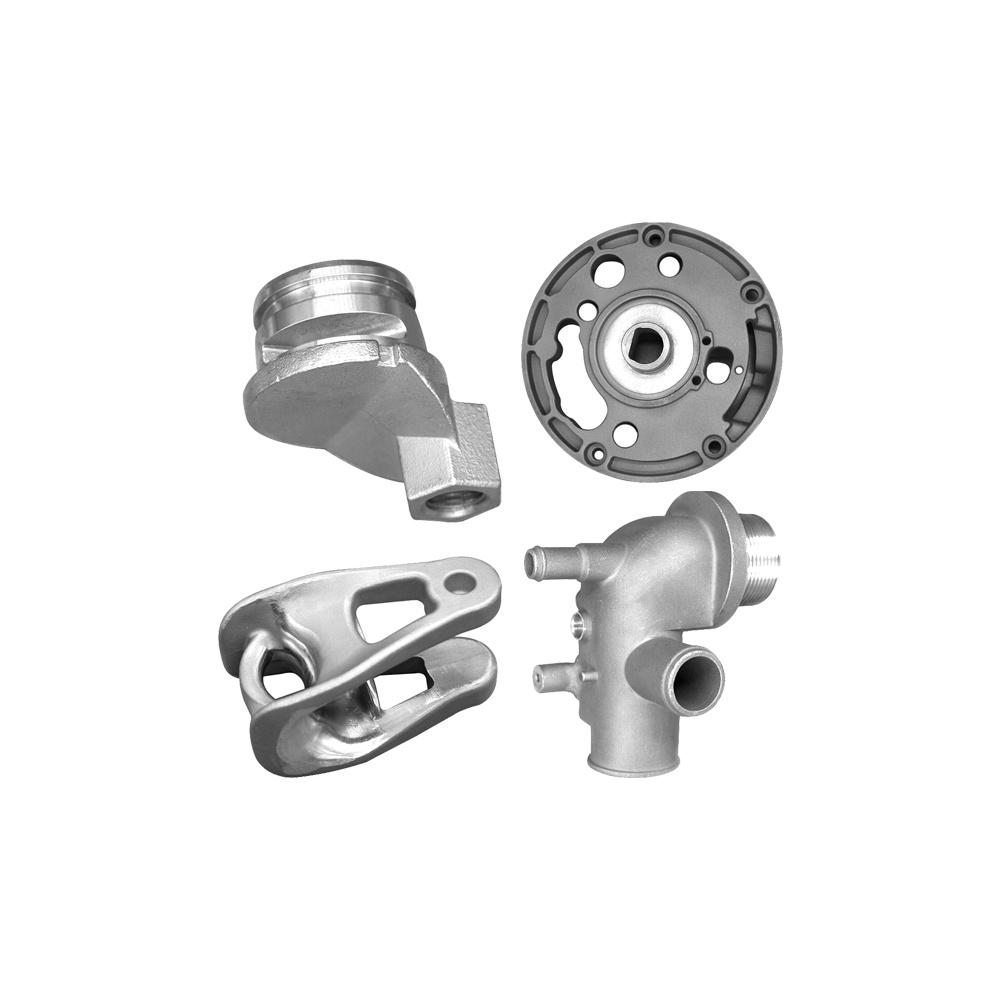
2025-12-14 12:00
Understanding CNC Turning and Milling Parts: A Comprehensive Guide for Precision Manufacturing
CNC (Computer Numerical Control) turning and milling are essential processes in the realm of precision manufacturing. These techniques are widely employed in the machining industry for producing intricate components that meet strict tolerances and specifications. Understanding the fundamentals of CNC turning and milling parts can enhance your knowledge of how these processes contribute to quality
2025-12-09 12:10
A Comprehensive Guide to Household Appliances Maintenance: Keep Your Home Running Smoothly
A Comprehensive Guide to Household Appliances Maintenance Household appliances are the backbone of modern living, providing convenience and efficiency in our daily routines. However, just like any other mechanical devices, they require regular maintenance to function optimally. In this guide, we will explore various household appliances, their maintenance needs, and practical tips to extend their
Let’s Talk
We can help you figure out your needs.