
 Esperanto
 Shqiptare
 Euskara
 Zulu
Zulu
 Latinus
 Cymraeg
 தமிழ்
தமிழ்
 Slovak
 Slovak
 Afrikaans

Essential Guide to Dental Instruments: Your Key to Quality Care
Release time:
2024-11-28
Source:
The primary categories of dental instruments include examination instruments, hand-cutting instruments, restorative instruments, and surgical instruments. Each type of instrument has its specific use and importance in dental procedures.
1. **Examination Instruments**: These tools are primarily used to assess the condition of a patient’s oral health. Instruments such as mirrors, explorers, and periodontic probes allow dentists to visualize and evaluate the teeth and gums for any signs of decay, disease, or other issues.
2. **Hand-Cutting Instruments**: This category includes tools used to remove decay and shape tooth structure. Chisels, handpieces, and excavators are examples of hand-cutting instruments that facilitate procedures like cavity preparation. Understanding the correct use of these instruments is critical to minimizing complications and ensuring patient comfort.
3. **Restorative Instruments**: Once the tooth structure has been prepared, restorative instruments come into play. These include tools for placing fillings, such as condensers and burnishers. Proper handling and knowledge of these instruments ensure that restorations are durable and aesthetically pleasing.
4. **Surgical Instruments**: In more complex procedures, surgical instruments are necessary. This category includes scalpels, forceps, and retractors, which are essential for extractions and other surgical interventions. Familiarity with these tools and their proper usage can greatly enhance surgical outcomes.
Beyond the specific types, the maintenance of dental instruments is equally important. Regular sterilization and proper storage help prevent cross-contamination and ensure the longevity of the tools. Dental professionals should be well-versed in the protocols for cleaning and maintaining their instruments to comply with health regulations and provide safe treatment.
Moreover, staying updated on advancements in dental technology can lead to the incorporation of new instruments that improve patient outcomes. Innovations in materials and designs can enhance the functionality and efficiency of dental instruments, allowing for more precise procedures and improved patient experiences.
In summary, a comprehensive understanding of dental instruments, their types, functions, and maintenance plays a pivotal role in the effectiveness of dental practice. Investing time in learning about these tools can significantly enhance the quality of care provided to patients, ultimately leading to better health outcomes and patient satisfaction. By prioritizing knowledge and effective use of dental instruments, dental professionals can ensure they meet the highest standards in their field.
Dental Instruments
Related News
2025-12-14 12:00
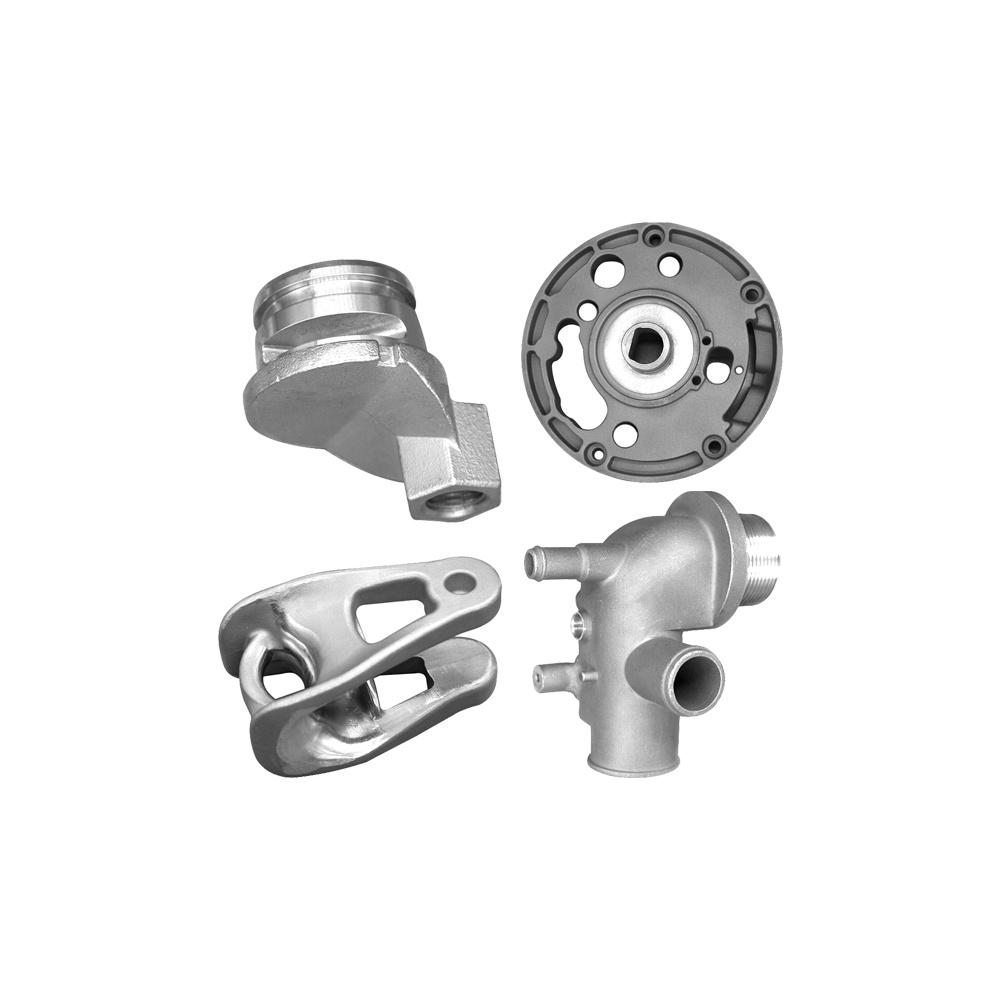
Understanding CNC Turning and Milling Parts: A Comprehensive Guide for Precision Manufacturing
CNC (Computer Numerical Control) turning and milling are essential processes in the realm of precision manufacturing. These techniques are widely employed in the machining industry for producing intricate components that meet strict tolerances and specifications. Understanding the fundamentals of CNC turning and milling parts can enhance your knowledge of how these processes contribute to quality
2025-12-09 12:10
A Comprehensive Guide to Household Appliances Maintenance: Keep Your Home Running Smoothly
A Comprehensive Guide to Household Appliances Maintenance Household appliances are the backbone of modern living, providing convenience and efficiency in our daily routines. However, just like any other mechanical devices, they require regular maintenance to function optimally. In this guide, we will explore various household appliances, their maintenance needs, and practical tips to extend their
Let’s Talk
We can help you figure out your needs.