
 Esperanto
 Shqiptare
 Euskara
 Zulu
Zulu
 Latinus
 Cymraeg
 தமிழ்
தமிழ்
 Slovak
 Slovak
 Afrikaans

Why CNC Milling Parts Are Essential for High-Quality Production
Release time:
2024-10-20
Source:
Why CNC Milling Parts Are Essential for High-Quality Production
Understanding CNC Milling: A Brief Overview
CNC (Computer Numerical Control) milling is a precise manufacturing technique that utilizes advanced computer systems to control machine tools. This technology allows for intricate designs and high-volume production with minimal human intervention. As industries evolve, the demand for precision-engineered parts has increased, making CNC milling a cornerstone of modern manufacturing.
The Importance of Precision in Manufacturing
Precision in manufacturing is non-negotiable. Factors such as fit, finish, and functionality directly impact product quality. CNC milling parts offer exceptional accuracy, enabling manufacturers to produce components that meet stringent specifications. The precision achieved through CNC milling not only enhances product reliability but also reduces waste, lowering production costs.
Key Advantages of CNC Milling Parts
CNC milling parts provide several compelling benefits that contribute to their essential role in high-quality production:
1. Unmatched Accuracy and Repeatability
CNC milling machines operate with high precision, ensuring that each part produced is identical to the last. This repeatability is crucial for industries where exact specifications are mandatory, such as aerospace and automotive.
2. Complex Geometries Made Simple
CNC milling can produce intricate designs that would be impossible or highly inefficient to achieve with traditional machining methods. This capability allows designers to push the boundaries of creativity while maintaining functionality.
3. Enhanced Production Speed
The automation of CNC milling significantly speeds up production times. Machines can run continuously, producing large batches of components without the fatigue or downtime associated with manual labor.
4. Material Versatility
CNC milling can work with a wide range of materials, including metals, plastics, and composites. This versatility enables manufacturers to choose the best material for their specific application, enhancing performance and durability.
5. Optimization of Resource Use
With improved accuracy and reduced waste, CNC milling helps manufacturers optimize their resources. This efficiency is vital for maintaining competitive pricing and ensuring profitability.
Applications of CNC Milling Parts Across Industries
CNC milling parts are used in a variety of industries, showcasing their versatility and importance:
Aerospace Industry
In the aerospace sector, safety and reliability are paramount. CNC milling allows manufacturers to produce complex, lightweight components that meet stringent industry standards, contributing to the overall safety and efficiency of aircraft.
Automotive Sector
The automotive industry relies heavily on CNC milling for producing engine components, transmission parts, and chassis elements. The precision offered by CNC milling ensures that these critical parts perform optimally, enhancing vehicle safety and performance.
Medical Devices
CNC milling is instrumental in the production of medical devices, where precision and hygiene are critical. Components such as surgical instruments and implants benefit from the accuracy and repeatability of CNC milling processes.
Industrial Equipment
From agricultural machinery to manufacturing tools, CNC milling parts are essential in industrial equipment. Their durability and precision contribute to the efficiency and longevity of these machines.
Electronics Manufacturing
In the electronics sector, CNC milling is used to create enclosures and housings for various devices. The ability to produce intricate designs allows for better aesthetics and functionality in electronic products.
The Technological Advancements Driving CNC Milling
As technology progresses, so does the capability of CNC milling machines. Recent advancements include:
1. Advanced Software Solutions
Modern CNC machines come equipped with sophisticated software that allows for detailed simulations and optimizations before production. This technology minimizes errors and enhances efficiency during the manufacturing process.
2. Multi-axis Machining
Multi-axis CNC milling machines can operate on multiple planes simultaneously, allowing for the creation of highly complex parts in a reduced timeframe. This advancement streamlines production and broadens the scope of achievable designs.
3. Integration with Additive Manufacturing
The integration of CNC milling with additive manufacturing technologies offers hybrid solutions that maximize material efficiency and design flexibility. This convergence is paving the way for more innovative manufacturing processes.
4. IoT and Smart Manufacturing
The Internet of Things (IoT) is revolutionizing manufacturing, including CNC milling. Connected machines provide real-time data on performance, enabling predictive maintenance and improving overall productivity.
CNC Milling Parts and Quality Control
Quality control is a critical aspect of the CNC milling process. Ensuring that each part meets specification involves several key practices:
1. Rigorous Inspection Procedures
Professionals employ advanced inspection techniques, such as CMM (Coordinate Measuring Machine) measurements, to verify that parts adhere to tolerances. Regular inspections help identify any deviations early in the production process.
2. Statistical Process Control (SPC)
SPC involves using statistical methods to monitor and control the CNC milling process. By analyzing data, manufacturers can detect variations and make necessary adjustments to maintain product quality.
3. Continuous Improvement Strategies
Manufacturers must adopt continuous improvement methodologies, such as Lean and Six Sigma, to enhance their CNC milling processes. These strategies focus on reducing waste, improving efficiency, and ultimately enhancing product quality.
Future Trends in CNC Milling Parts Production
The landscape of CNC milling is constantly changing, driven by technological advancements and market demands. Some emerging trends include:
1. Increased Automation
Automation in CNC milling is set to rise, with more manufacturers investing in robotic systems that can work alongside CNC machines to enhance productivity and efficiency.
2. Sustainable Manufacturing Practices
As businesses become more environmentally conscious, there is a growing emphasis on sustainable manufacturing practices. CNC milling processes will increasingly focus on reducing energy consumption and material waste.
3. Customization and Personalization
The demand for customized products is on the rise. CNC milling's flexibility allows for personalized production, catering to individual customer specifications without significant increases in cost.
FAQs About CNC Milling Parts
1. What materials can be machined using CNC milling?
CNC milling can work with various materials, including metals (aluminum, steel, titanium), plastics (PVC, acrylic), and composites.
2. How does CNC milling compare to traditional machining methods?
CNC milling offers greater precision, efficiency, and the ability to produce complex geometries compared to traditional machining methods, which often rely on manual operation.
3. What industries benefit the most from CNC milling?
Industries such as aerospace, automotive, medical device manufacturing, industrial equipment, and electronics heavily rely on CNC milling for high-quality production.
4. How can I ensure the quality of CNC machined parts?
Implementing rigorous inspection procedures, utilizing statistical process control, and adopting continuous improvement strategies are crucial for maintaining quality.
5. What is the future of CNC milling technology?
The future of CNC milling includes increased automation, sustainable practices, and a focus on customization to meet evolving customer demands.
Conclusion
CNC milling parts are undeniably essential for high-quality production across various industries. With their unmatched precision, ability to handle complex geometries, and enhanced efficiency, these parts drive innovation and reliability in manufacturing processes. As technology continues to evolve, the role of CNC milling in producing high-quality components will only grow, paving the way for a new era of manufacturing excellence. Embracing these advancements will help companies remain competitive and meet the ever-increasing demands of the market.
CNC Turning & Milling Part
Related News
2025-12-14 12:00
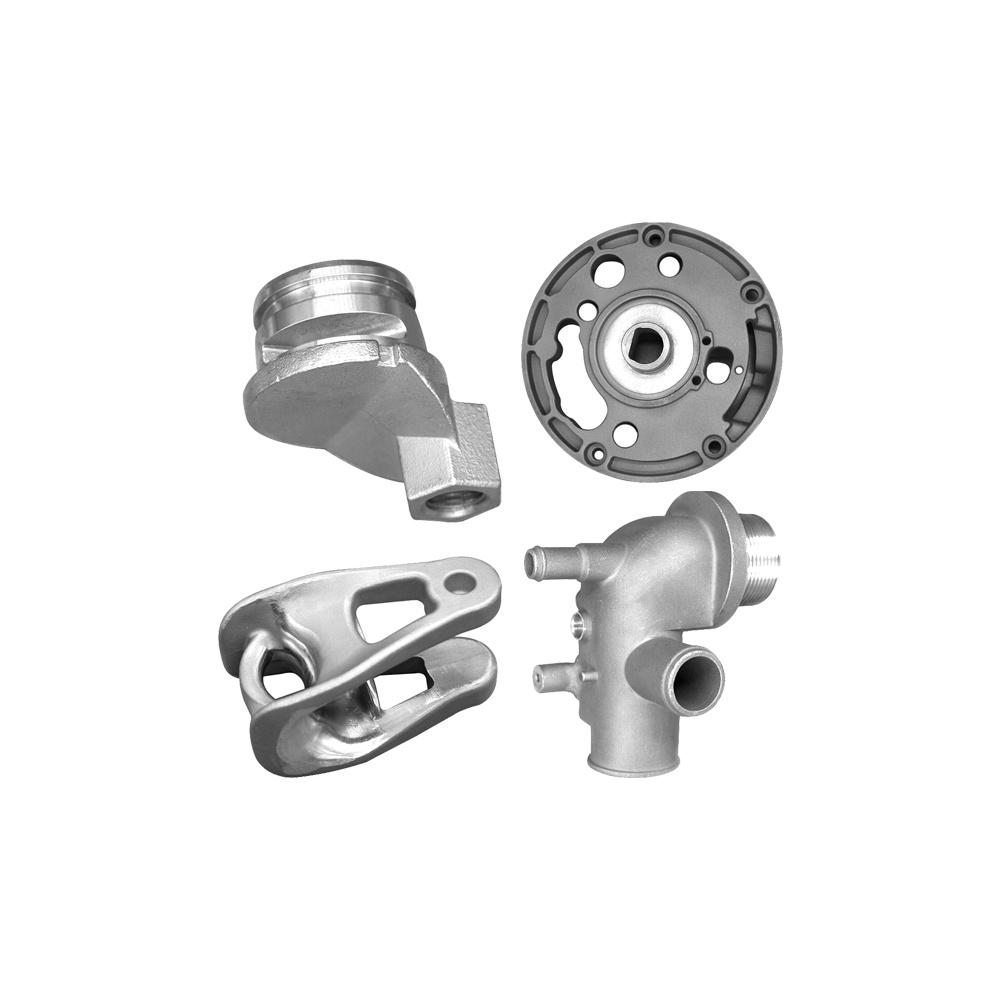
Understanding CNC Turning and Milling Parts: A Comprehensive Guide for Precision Manufacturing
CNC (Computer Numerical Control) turning and milling are essential processes in the realm of precision manufacturing. These techniques are widely employed in the machining industry for producing intricate components that meet strict tolerances and specifications. Understanding the fundamentals of CNC turning and milling parts can enhance your knowledge of how these processes contribute to quality
2025-12-09 12:10
A Comprehensive Guide to Household Appliances Maintenance: Keep Your Home Running Smoothly
A Comprehensive Guide to Household Appliances Maintenance Household appliances are the backbone of modern living, providing convenience and efficiency in our daily routines. However, just like any other mechanical devices, they require regular maintenance to function optimally. In this guide, we will explore various household appliances, their maintenance needs, and practical tips to extend their
Let’s Talk
We can help you figure out your needs.