
 Esperanto
 Shqiptare
 Euskara
 Zulu
Zulu
 Latinus
 Cymraeg
 தமிழ்
தமிழ்
 Slovak
 Slovak
 Afrikaans

Understanding CNC Turning and Milling Parts: A Comprehensive Guide for Professionals
Release time:
2024-10-23
Source:
CNC turning involves rotating a workpiece on a lathe while a cutting tool removes material, shaping the part to required specifications. This process is ideal for creating cylindrical parts, such as shafts, pins, and bushings. The precision of CNC turning allows for tight tolerances and consistent repeatability, making it an excellent choice for mass production. The ability to automate the process not only enhances efficiency but also reduces the likelihood of human error, ensuring a higher standard of quality in the final product.
On the other hand, CNC milling uses rotary cutters to remove material from a workpiece, which remains stationary during the operation. This method is versatile and can produce complex shapes, slots, and contours, making it suitable for creating intricate parts with varying geometries. CNC milling is often used for producing components like brackets, housings, and connectors, where dimensional accuracy is crucial.
One of the significant advantages of combining CNC turning and milling is the ability to produce complex parts in a single setup, reducing the need for multiple machines and minimizing production times. This is particularly beneficial in industries where time-to-market is critical.
When considering CNC turning and milling parts, it’s essential to evaluate several factors, including material selection, tolerances, and surface finish requirements. Different materials may require specific tooling and machining strategies to achieve optimal results. Additionally, understanding the intended application of the part can influence design decisions, such as the need for specific features or coatings to enhance durability or performance.
Furthermore, advancements in CNC technology, such as multi-axis machining and automation, have expanded the capabilities of turning and milling processes. These innovations not only improve efficiency but also allow for greater design freedom, enabling the production of parts that were previously difficult or impossible to manufacture.
In conclusion, CNC turning and milling are fundamental processes in the manufacturing of precision parts. Professionals in the machining and manufacturing industry must stay informed about the latest technologies and best practices to ensure the highest quality and efficiency in their operations. By understanding the nuances of these processes, one can make informed decisions that lead to improved outcomes in production and component design.
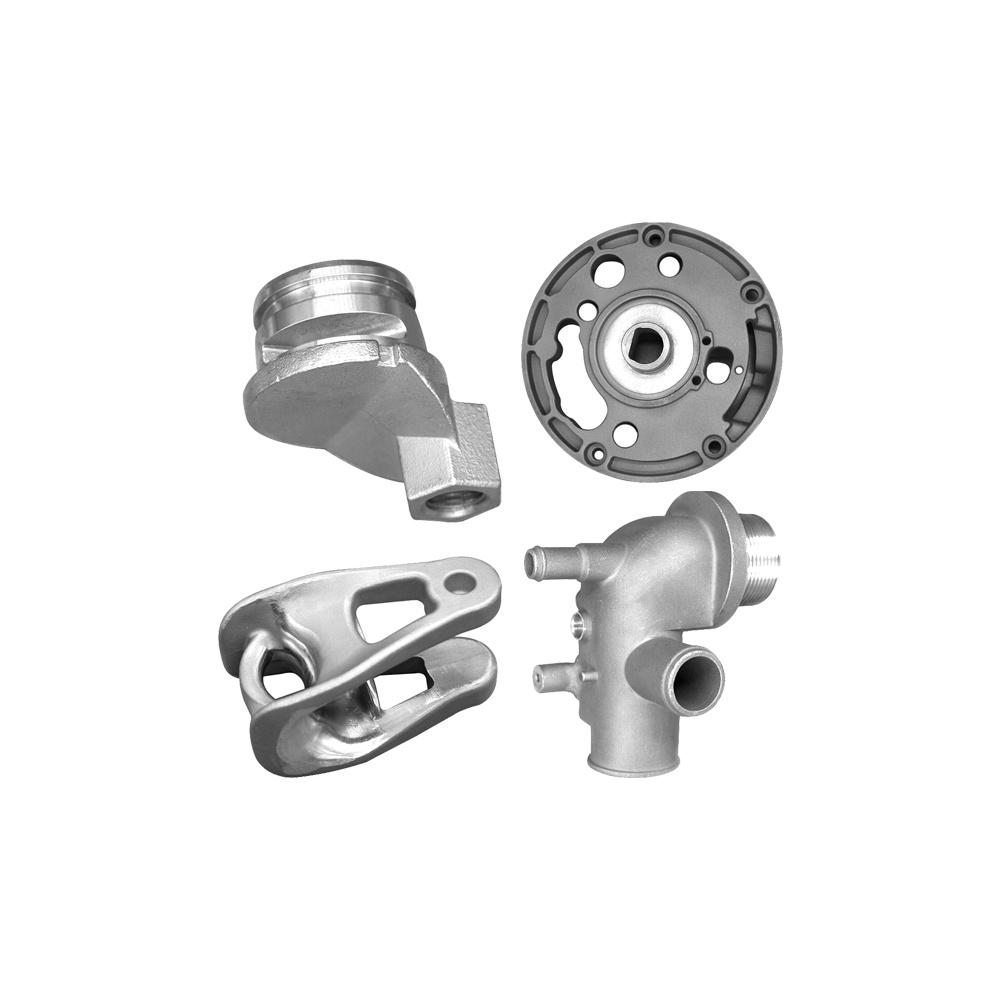
CNC Turning & Milling Part
Related News
2025-12-14 12:00
Understanding CNC Turning and Milling Parts: A Comprehensive Guide for Precision Manufacturing
CNC (Computer Numerical Control) turning and milling are essential processes in the realm of precision manufacturing. These techniques are widely employed in the machining industry for producing intricate components that meet strict tolerances and specifications. Understanding the fundamentals of CNC turning and milling parts can enhance your knowledge of how these processes contribute to quality

2025-12-09 12:10
A Comprehensive Guide to Household Appliances Maintenance: Keep Your Home Running Smoothly
A Comprehensive Guide to Household Appliances Maintenance Household appliances are the backbone of modern living, providing convenience and efficiency in our daily routines. However, just like any other mechanical devices, they require regular maintenance to function optimally. In this guide, we will explore various household appliances, their maintenance needs, and practical tips to extend their
Let’s Talk
We can help you figure out your needs.