
 Esperanto
 Shqiptare
 Euskara
 Zulu
Zulu
 Latinus
 Cymraeg
 தமிழ்
தமிழ்
 Slovak
 Slovak
 Afrikaans

Understanding CNC Turning & Milling Parts: Essential Insights for Precision Manufacturing
Release time:
2024-10-17
Source:
CNC turning involves rotating a workpiece on a lathe while a cutting tool moves in a linear motion to shape the material. This process is ideal for creating cylindrical parts, such as shafts, pins, and bushings. The key advantage of CNC turning is its ability to produce high volumes of identical pieces with minimal human intervention. The automation and precision of CNC technology significantly reduce production time and enhance efficiency.
On the other hand, CNC milling utilizes a rotating cutter to remove material from a stationary workpiece. This technique is versatile and can create a wide range of complex geometries, including flat surfaces, cavities, and intricate shapes. CNC milling machines can work with various materials, including metals, plastics, and composites, allowing manufacturers to select the best material for their specific application.
One of the standout features of CNC turning and milling is the ability to program the machines using CAD (Computer-Aided Design) software. This integration allows for precise machining based on detailed 3D models, making it easier to visualize and execute complex designs. As a result, manufacturers can produce components with tight tolerances that meet stringent quality standards.
Moreover, CNC turning and milling parts can be customized based on the unique requirements of a project. Whether it involves modifying the dimensions, shapes, or surface finishes, these processes offer flexibility that traditional machining methods often lack. This adaptability is essential in today’s fast-paced manufacturing environment, where clients demand quick turnaround times and tailored solutions.
In summary, CNC turning and milling parts are foundational processes in modern mechanical manufacturing. Their precision, efficiency, and flexibility make them indispensable for producing high-quality components across various industries. By understanding these processes, businesses can harness their benefits to enhance production capabilities, improve product quality, and ultimately meet customer expectations effectively. Embracing CNC technology is not just about keeping pace with industry standards; it is about leading the way in innovation and excellence in manufacturing.
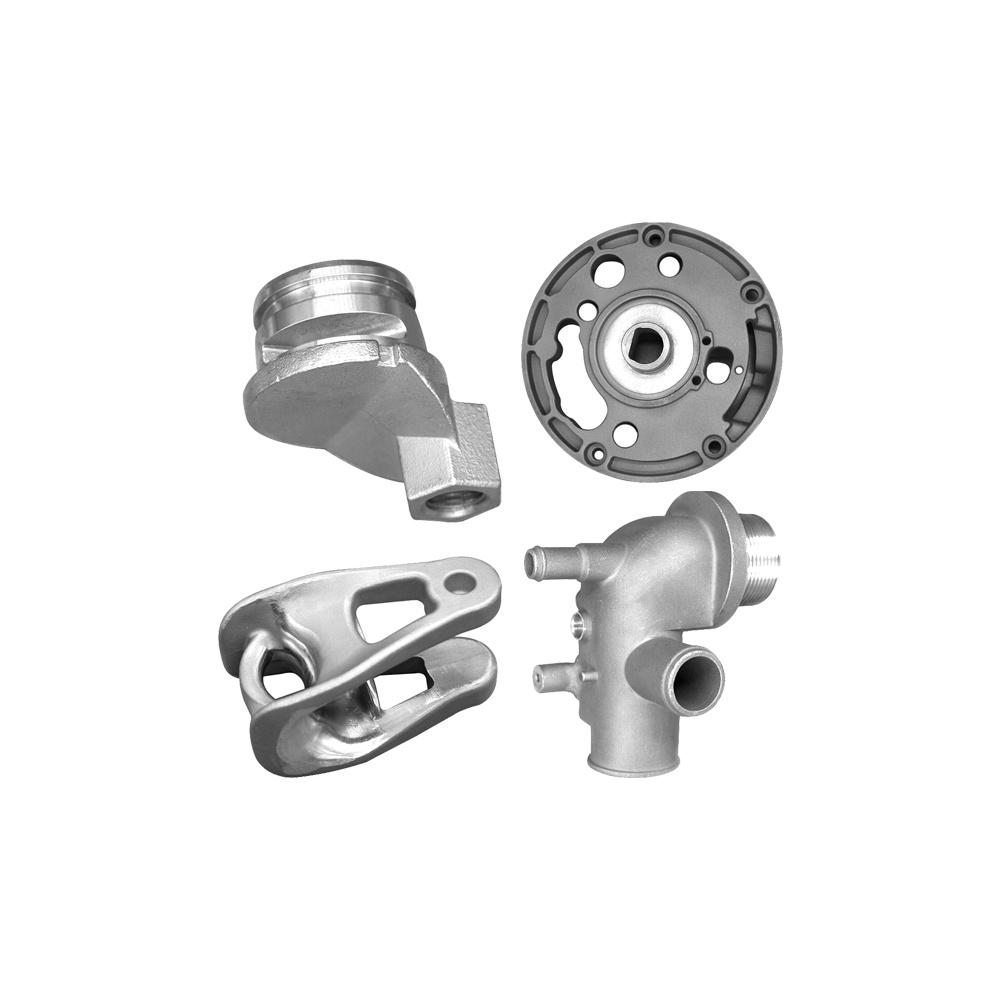
CNC Turning & Milling Part
Related News
2025-12-14 12:00
Understanding CNC Turning and Milling Parts: A Comprehensive Guide for Precision Manufacturing
CNC (Computer Numerical Control) turning and milling are essential processes in the realm of precision manufacturing. These techniques are widely employed in the machining industry for producing intricate components that meet strict tolerances and specifications. Understanding the fundamentals of CNC turning and milling parts can enhance your knowledge of how these processes contribute to quality

2025-12-09 12:10
A Comprehensive Guide to Household Appliances Maintenance: Keep Your Home Running Smoothly
A Comprehensive Guide to Household Appliances Maintenance Household appliances are the backbone of modern living, providing convenience and efficiency in our daily routines. However, just like any other mechanical devices, they require regular maintenance to function optimally. In this guide, we will explore various household appliances, their maintenance needs, and practical tips to extend their
Let’s Talk
We can help you figure out your needs.