
 Esperanto
 Shqiptare
 Euskara
 Zulu
Zulu
 Latinus
 Cymraeg
 தமிழ்
தமிழ்
 Slovak
 Slovak
 Afrikaans

Understanding Sheet Metal Fabrication: A Comprehensive Guide for Professionals
Release time:
2026-04-09
Source:
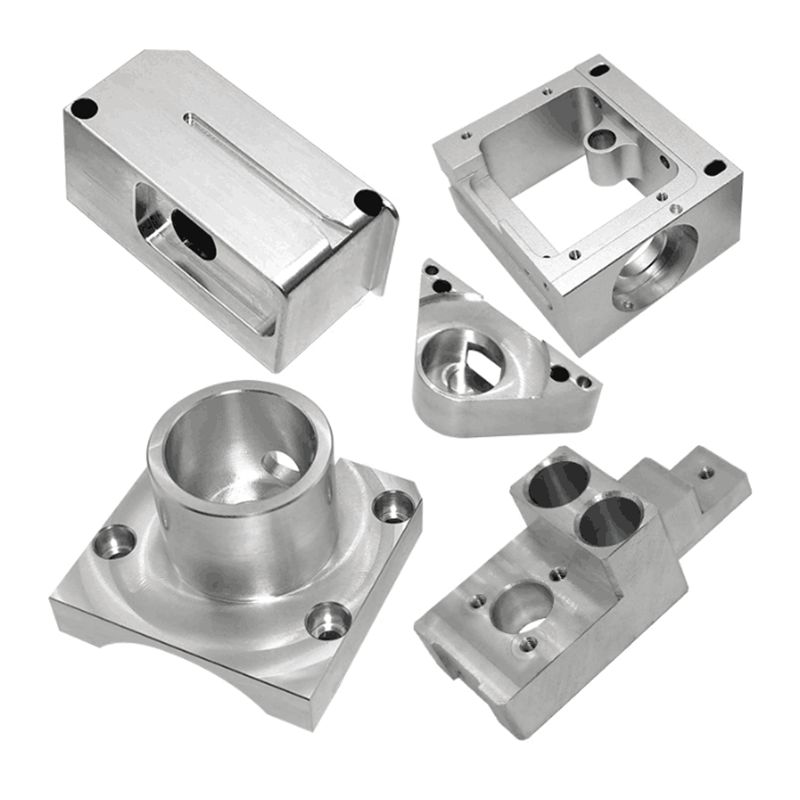
The fabrication process typically encompasses several key techniques, including cutting, bending, punching, and welding. Each technique serves a specific purpose and requires specialized equipment. For instance, laser cutting is often employed for its precision and ability to create intricate designs, while CNC machining is utilized for more complex geometries, ensuring consistency across large production runs.
Materials used in sheet metal fabrication vary widely, with common choices including aluminum, steel, brass, and copper, each offering unique properties that suit different applications. Aluminum is lightweight and resistant to corrosion, making it a popular choice for automotive and aerospace applications. Conversely, steel, known for its strength and durability, is often used in construction and heavy machinery.
Quality control is paramount in sheet metal fabrication. Employing techniques such as inspection and testing at various stages of production helps ensure that the final product meets the required specifications. Tools like calipers, micrometers, and specialized software can offer precise measurements and analysis, reducing the likelihood of defects and rework.
In addition to traditional methods, advancements in technology have introduced new possibilities in sheet metal fabrication. Automation and robotics are increasingly being integrated into the fabrication process, streamlining operations and enhancing productivity. This shift not only reduces labor costs but also minimizes human error, leading to higher quality outcomes.
Moreover, sustainability is becoming a growing concern in manufacturing. Recycling scrap metal from the fabrication process and utilizing energy-efficient machinery are practices that not only reduce waste but also lower operational costs in the long run.
In conclusion, understanding the fundamentals of sheet metal fabrication is essential for professionals in the manufacturing sector. By leveraging the right techniques, materials, and technologies, businesses can improve their production capabilities and product quality. Continuous learning and adaptation to industry trends will ensure that your operations remain competitive in an ever-evolving marketplace. Embracing innovation and emphasizing quality control will be key to thriving in the intricate landscape of sheet metal fabrication.
Sheet Metal Fabrication
Previous
Related News

2026-04-09 11:30
Understanding Sheet Metal Fabrication: A Comprehensive Guide for Professionals
Sheet metal fabrication is a critical component of the manufacturing industry, especially within the realm of mechanical hardware processing. This process involves transforming flat sheets of metal into various shapes and configurations, which are then utilized in a multitude of applications, from automotive components to consumer electronics. Understanding the nuances of sheet metal fabrication c
2026-04-04 11:30
Maximizing Production: The Advantages of CNC Turning Services for Efficient Manufacturing
Maximizing Production: The Advantages of CNC Turning Services Table of Contents 1. Introduction to CNC Turning Services 2. What is CNC Turning? 3. Benefits of CNC Turning Services 3.1. Precision and Accuracy 3.2. Cost Efficiency 3.3. Faster Production Times 3.4. Versatility in Materials 3.5. Scalability for Various Projects
Let’s Talk
We can help you figure out your needs.