
 Esperanto
 Shqiptare
 Euskara
 Zulu
Zulu
 Latinus
 Cymraeg
 தமிழ்
தமிழ்
 Slovak
 Slovak
 Afrikaans

Maximizing Production: The Advantages of CNC Turning Services for Efficient Manufacturing
Release time:
2026-04-04
Source:
Maximizing Production: The Advantages of CNC Turning Services
Table of Contents
- 1. Introduction to CNC Turning Services
- 2. What is CNC Turning?
- 3. Benefits of CNC Turning Services
- 3.1. Precision and Accuracy
- 3.2. Cost Efficiency
- 3.3. Faster Production Times
- 3.4. Versatility in Materials
- 3.5. Scalability for Various Projects
- 4. Applications of CNC Turning in Different Industries
- 5. Choosing the Right CNC Turning Service Provider
- 6. Best Practices for Maximizing CNC Turning Efficiency
- 7. Frequently Asked Questions about CNC Turning
- 8. Conclusion
1. Introduction to CNC Turning Services
In the ever-evolving world of manufacturing, efficiency and precision are paramount. **CNC (Computer Numerical Control) turning services** have emerged as a game-changer, allowing manufacturers to produce complex parts with remarkable accuracy. This technology automates the turning process, resulting in enhanced productivity and consistency across production runs. With the global market increasingly demanding high-quality components, understanding the **advantages of CNC turning** is essential for any manufacturer aiming to maximize production.
2. What is CNC Turning?
CNC turning is a manufacturing process used to create cylindrical parts by removing material from a rotating workpiece. This is achieved using a CNC lathe, which is programmed to precisely control the movement of the cutting tools. The ability to automate this process significantly reduces the risk of human error, leading to superior product quality.
The CNC turning process begins with a raw material, typically a metal or plastic rod, which is mounted onto the lathe. As the workpiece spins, a cutting tool moves along the surface, shaping it to the desired specifications. This method is highly efficient for producing parts that require precision, such as shafts, bushings, and fittings.
3. Benefits of CNC Turning Services
CNC turning offers numerous advantages that can significantly enhance production capabilities. Let’s explore these benefits in greater detail.
3.1. Precision and Accuracy
One of the standout features of CNC turning is its **unmatched precision and accuracy**. The CNC technology enables the production of components to tight tolerances, often within a few microns. This level of accuracy is critical in industries such as aerospace, automotive, and medical, where even minor deviations can lead to significant issues.
With CNC turning, manufacturers can achieve consistent results across large production runs, ensuring that each part meets the required specifications. This reliability enhances product quality and reduces the risk of defects, ultimately saving time and costs associated with rework or scrap.
3.2. Cost Efficiency
While the initial investment in CNC machinery can be substantial, the long-term **cost efficiency** is undeniable. CNC turning services streamline the manufacturing process, reducing labor costs and minimizing material wastage.
By automating the turning process, manufacturers can lower the amount of manual labor required, allowing skilled workers to focus on more complex tasks. The precision of CNC turning also means that less material is wasted during production, further contributing to cost savings.
3.3. Faster Production Times
In today’s fast-paced market, speed is of the essence. CNC turning services provide a **faster production turnaround** compared to traditional machining methods. The automated nature of CNC machines allows for rapid setup and execution, enabling manufacturers to meet tight deadlines without compromising quality.
Additionally, CNC turning can operate continuously, reducing the downtime associated with manual interventions. This ensures that production schedules are adhered to, leading to improved customer satisfaction.
3.4. Versatility in Materials
CNC turning is highly versatile and can accommodate a wide range of materials, including metals like aluminum, stainless steel, and brass, as well as plastics and composites. This **material versatility** allows manufacturers to produce various components tailored to different applications.
Whether you require lightweight parts for aerospace applications or durable components for heavy machinery, CNC turning services can adapt to your specific material requirements, providing flexibility in design and production.
3.5. Scalability for Various Projects
CNC turning services are inherently scalable, making it easy for manufacturers to adjust their production levels based on demand. Whether producing small batches of specialty parts or large volumes of standardized components, CNC technology can accommodate varying production needs.
This scalability is particularly beneficial for businesses aiming to grow, as it allows them to respond quickly to market changes without the need for significant investments in additional equipment or labor.
4. Applications of CNC Turning in Different Industries
CNC turning services find applications across a multitude of industries. Here are some notable sectors leveraging this technology:
- **Aerospace**: Precision components are critical in aerospace applications, where safety and reliability are paramount. CNC turning is used to create parts like turbine blades, landing gear components, and engine housings.
- **Automotive**: The automotive industry relies on CNC turning for manufacturing parts such as gears, axles, and brackets. The ability to produce high volumes of components with consistent quality is essential in this competitive market.
- **Medical Devices**: In the medical field, CNC turning produces intricate parts that require strict adherence to specifications, such as surgical instruments and implants, which must meet high standards of precision.
- **Electronics**: CNC turning is also employed in the electronics industry, producing components like housings, connectors, and precision screws that are vital for electronic devices.
- **Industrial Equipment**: Manufacturers of industrial machinery and equipment often utilize CNC turning to create durable and precise components that withstand rigorous operating conditions.
5. Choosing the Right CNC Turning Service Provider
Selecting the right CNC turning service provider is crucial for maximizing production efficiency. Here are some key considerations:
- **Experience and Expertise**: Look for a provider with extensive experience in your industry. Their expertise will ensure they understand your specific requirements and can deliver high-quality results.
- **Technology and Equipment**: Assess the technology and equipment used by the provider. Advanced CNC machines can enhance precision and speed, contributing to better overall performance.
- **Quality Control Measures**: Inquire about the quality control processes in place. A reputable provider will implement stringent quality checks to ensure every part meets the required standards.
- **Customer Support**: Choose a provider that offers excellent customer support. Clear communication and responsiveness can significantly impact the success of your project.
- **Customization Options**: Ensure the provider can accommodate custom designs and specifications. Flexibility in production is essential for meeting unique project requirements.
6. Best Practices for Maximizing CNC Turning Efficiency
To get the most out of CNC turning services, consider implementing the following best practices:
- **Detailed Planning**: Plan your project meticulously, including design specifications, material selections, and production timelines. A well-thought-out plan streamlines the entire process.
- **Regular Maintenance**: Keep your CNC equipment in optimal condition through regular maintenance. This prevents downtime and ensures consistent performance.
- **Collaborate with Engineers**: Work closely with engineers to optimize designs for manufacturability. Their insights can help reduce production complexities and costs.
- **Monitor Production Processes**: Utilize software and monitoring tools to track production processes. Real-time data allows for quick adjustments to enhance efficiency.
- **Continuously Improve**: Foster a culture of continuous improvement within your manufacturing operations. Regularly assess processes and seek feedback to identify areas for enhancement.
7. Frequently Asked Questions about CNC Turning
**Q1: What types of materials can be used in CNC turning?**
A: CNC turning can accommodate a wide variety of materials, including metals like aluminum, stainless steel, and brass, as well as plastics and composites.
**Q2: How does CNC turning improve production efficiency?**
A: CNC turning enhances production efficiency by automating the machining process, allowing for faster production times, reduced labor costs, and increased accuracy.
**Q3: What industries benefit the most from CNC turning services?**
A: Industries such as aerospace, automotive, medical devices, electronics, and industrial equipment significantly benefit from CNC turning due to the need for precision parts.
**Q4: How does the cost of CNC turning compare to traditional machining methods?**
A: While the initial investment may be higher, CNC turning often results in lower operational costs over time due to reduced labor and material waste.
**Q5: Can CNC turning be used for custom part manufacturing?**
A: Yes, CNC turning services are highly adaptable and can be tailored for custom part manufacturing based on specific design requirements.
8. Conclusion
CNC turning services represent a significant advancement in the manufacturing sector, offering an array of benefits that can transform production processes. From unmatched precision and cost efficiency to versatility in materials and scalability, CNC turning is essential for manufacturers seeking to maximize their production capabilities. By choosing the right service provider and implementing best practices, businesses can harness the full potential of CNC turning, ensuring they remain competitive in the ever-evolving landscape of manufacturing. Embrace the advantages of CNC turning services today and propel your production to new heights.
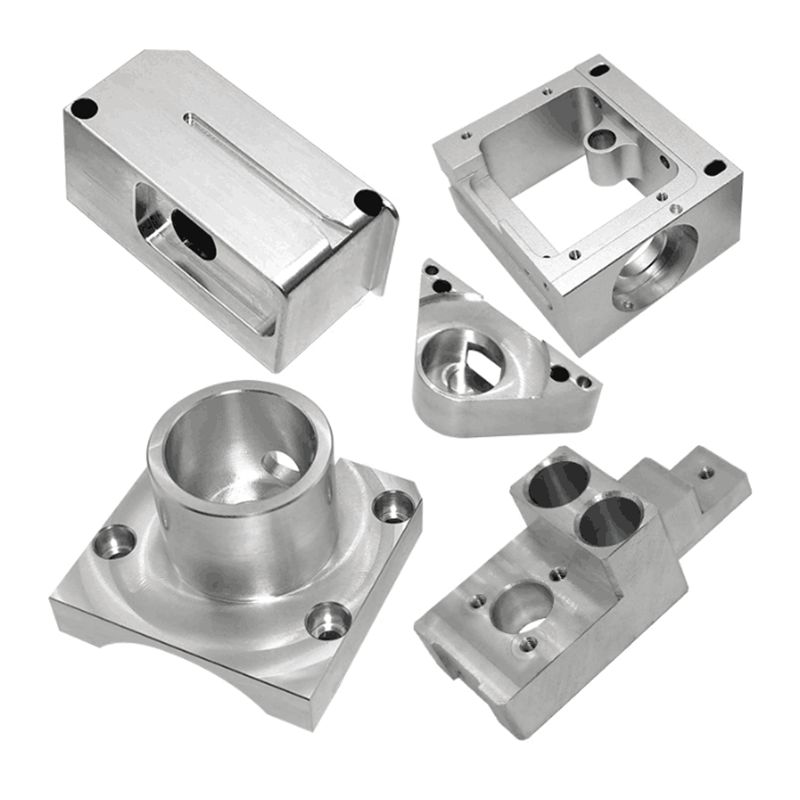
CNC Turning & Milling Part
Related News
2026-04-04 11:30
Maximizing Production: The Advantages of CNC Turning Services for Efficient Manufacturing
Maximizing Production: The Advantages of CNC Turning Services Table of Contents 1. Introduction to CNC Turning Services 2. What is CNC Turning? 3. Benefits of CNC Turning Services 3.1. Precision and Accuracy 3.2. Cost Efficiency 3.3. Faster Production Times 3.4. Versatility in Materials 3.5. Scalability for Various Projects

2026-03-30 13:50
The Ultimate Guide to Household Appliances: Enhancing Your Home Efficiency
Household appliances play a pivotal role in enhancing the efficiency and convenience of our daily lives. From kitchen gadgets to laundry equipment, these essential tools are designed to save time and minimize effort, allowing us to focus on what truly matters. Understanding the different types of household appliances and their functions can significantly improve your home experience. At the core o
Let’s Talk
We can help you figure out your needs.