
 Esperanto
 Shqiptare
 Euskara
 Zulu
Zulu
 Latinus
 Cymraeg
 தமிழ்
தமிழ்
 Slovak
 Slovak
 Afrikaans

Understanding Sheet Metal Fabrication: Key Insights for Professionals
Release time:
2025-11-14
Source:
One of the primary methods used in sheet metal fabrication is laser cutting. This technique utilizes focused lasers to precisely cut materials, resulting in intricate designs and minimal material waste. The advantages of laser cutting include its speed, accuracy, and ability to handle a variety of metals, such as stainless steel and aluminum. Understanding the capabilities and limitations of laser cutting is essential for professionals looking to optimize their fabrication processes.
Bending is another critical aspect of sheet metal fabrication. Techniques such as air bending and bottoming are commonly employed to achieve desired angles and shapes. The choice of bending method can impact the final product's strength and accuracy, so it’s important for professionals to select the best approach based on the project's requirements. Additionally, the use of press brakes for bending can enhance efficiency and precision, making it a staple in many fabrication shops.
Welding plays a significant role in the assembly phase of sheet metal fabrication. Professionals often utilize techniques such as TIG (Tungsten Inert Gas) and MIG (Metal Inert Gas) welding, each offering unique benefits depending on the materials and the application. Mastering these welding techniques is crucial for ensuring structural integrity and durability in the final product.
Quality control is another fundamental aspect of sheet metal fabrication. Implementing rigorous inspection processes throughout the fabrication journey ensures that the final product meets the necessary specifications and standards. Techniques such as dimensional inspection and surface finish evaluation are essential to maintain high-quality standards in manufacturing.
Moreover, staying abreast of advancements in technology, such as computer numerical control (CNC) machining, can significantly enhance the efficiency of sheet metal fabrication. CNC technology allows for automated and precise cutting, bending, and welding, streamlining production processes while reducing human error.
In conclusion, sheet metal fabrication is an intricate and multifaceted process that plays a crucial role in manufacturing and mechanical processing. By understanding its key techniques, technologies, and quality control measures, professionals can greatly enhance their capabilities and contribute to producing high-quality metal products. Embracing new technologies and methodologies will further position you at the forefront of this dynamic industry.
Sheet Metal Fabrication
Related News
2025-12-14 12:00
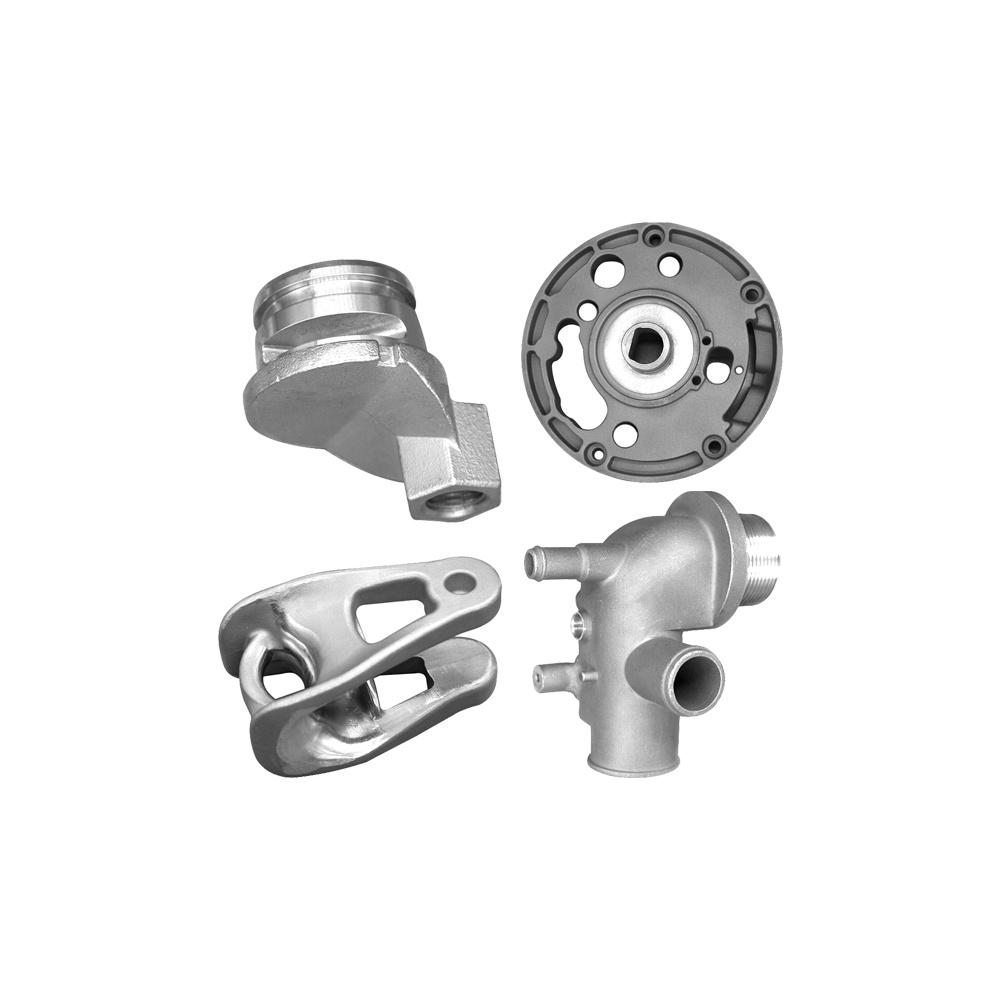
Understanding CNC Turning and Milling Parts: A Comprehensive Guide for Precision Manufacturing
CNC (Computer Numerical Control) turning and milling are essential processes in the realm of precision manufacturing. These techniques are widely employed in the machining industry for producing intricate components that meet strict tolerances and specifications. Understanding the fundamentals of CNC turning and milling parts can enhance your knowledge of how these processes contribute to quality
2025-12-09 12:10
A Comprehensive Guide to Household Appliances Maintenance: Keep Your Home Running Smoothly
A Comprehensive Guide to Household Appliances Maintenance Household appliances are the backbone of modern living, providing convenience and efficiency in our daily routines. However, just like any other mechanical devices, they require regular maintenance to function optimally. In this guide, we will explore various household appliances, their maintenance needs, and practical tips to extend their
Let’s Talk
We can help you figure out your needs.