
 Esperanto
 Shqiptare
 Euskara
 Zulu
Zulu
 Latinus
 Cymraeg
 தமிழ்
தமிழ்
 Slovak
 Slovak
 Afrikaans

CNC Turning vs. Milling: Which Process Fits Your Project?
Release time:
2025-11-09
Source:
CNC Turning vs. Milling: Which Process Fits Your Project?
Table of Contents
- Introduction to CNC Machining
- Understanding CNC Turning
- Understanding CNC Milling
- Key Differences Between Turning and Milling
- Benefits of CNC Turning
- Benefits of CNC Milling
- Applications for CNC Turning
- Applications for CNC Milling
- Choosing the Right Process for Your Project
- FAQs
- Conclusion
Introduction to CNC Machining
In the world of modern manufacturing, **CNC machining** plays a pivotal role in creating high-precision components. CNC stands for **Computer Numerical Control**, a technology that leverages computer systems to control machine tools, enabling the production of intricate designs and precise dimensions. When discussing CNC machining, two of the most common processes are **CNC turning** and **CNC milling**. Understanding these processes is essential for making informed decisions about which one fits your project best.
Understanding CNC Turning
CNC turning is a subtractive manufacturing process that primarily focuses on rotating a workpiece against a stationary cutting tool. This technique is particularly effective for producing cylindrical parts. The cutting tool removes material from the workpiece to create the desired shape, which can range from simple cylindrical forms to complex profiles.
How CNC Turning Works
In CNC turning, the workpiece is typically mounted on a lathe. The lathe rotates the workpiece while the cutting tool traverses along its length. The process allows for the creation of features such as tapers, grooves, and threads.
Materials Commonly Used in CNC Turning
CNC turning can accommodate a variety of materials, including:
- Metals such as aluminum, brass, stainless steel, and titanium
- Plastics including polycarbonate and nylon
- Composites for specialized applications
Understanding CNC Milling
CNC milling contrasts with turning by employing a rotating cutting tool that moves across a stationary workpiece. This process is versatile and can create a wide range of shapes, including flat surfaces, slots, and complex geometries.
How CNC Milling Works
During CNC milling, the cutting tool moves in multiple axes (often 3, 4, or even 5 axes) to produce the desired features of the component. This multi-directional movement allows for the machining of intricate designs and tight tolerances.
Materials Commonly Used in CNC Milling
Like CNC turning, milling can be executed on various materials, such as:
- Metals including steel, aluminum, and copper
- Plastics like acrylic and polyethylene
- Wood and composite materials for certain applications
Key Differences Between Turning and Milling
Understanding the differences between CNC turning and milling can help you choose the right process for your project. Here are the key distinctions:
1. Motion of the Tool and Workpiece
- **Turning**: The workpiece rotates while the cutting tool remains stationary.
- **Milling**: The cutting tool rotates while the workpiece is fixed or moved in multiple axes.
2. Shape and Complexity of Parts
- **Turning**: Best suited for cylindrical parts, including shafts and bushings.
- **Milling**: Capable of producing complex shapes, including pockets, grooves, and intricate contours.
3. Surface Finish and Tolerances
- **Turning**: Generally provides a good surface finish for cylindrical parts, but less effective for intricate details.
- **Milling**: Offers superior surface finish capabilities, making it ideal for detailed features and tighter tolerances.
4. Production Volume
- **Turning**: Often more efficient for high-volume production of simple shapes.
- **Milling**: More versatile for low to medium volume production, particularly for complex designs.
Benefits of CNC Turning
CNC turning offers numerous advantages that make it a preferred choice for many projects:
1. High Production Rates
CNC turning can rapidly produce high-quality parts, making it ideal for mass production.
2. Precision and Accuracy
With advanced CNC technology, turning can achieve tight tolerances, ensuring the precision of each part.
3. Cost-Effectiveness
For cylindrical parts, CNC turning can be more cost-effective due to reduced material waste and faster production times.
Benefits of CNC Milling
CNC milling is equally beneficial, particularly for projects requiring intricate designs:
1. Versatility
CNC milling can create a vast array of shapes and features, making it suitable for diverse applications.
2. Fine Details and Complex Geometries
The ability to machine complex shapes allows for innovations in design and functionality.
3. Better Surface Finish
Milling generally results in superior surface finishes compared to turning, which can reduce the need for additional finishing processes.
Applications for CNC Turning
CNC turning is widely used in various industries for applications such as:
1. Aerospace Components
Parts like landing gears, shafts, and fittings that require precise tolerances.
2. Automotive Parts
Manufacturing components such as axles, pistons, and transmission parts.
3. Medical Devices
Production of surgical instruments and implants that necessitate high precision.
Applications for CNC Milling
CNC milling caters to numerous sectors with applications including:
1. Electronics
Fabricating enclosures and components for electronic devices.
2. Industrial Equipment
Creating components for machinery, pumps, and valves with intricate designs.
3. Prototyping
Useful in rapid prototyping for testing new designs and concepts before full-scale production.
Choosing the Right Process for Your Project
Selecting between CNC turning and milling requires careful consideration of several factors.
1. Part Geometry
Assess the shape of the part you need. If it’s cylindrical, turning may be the best choice. For complex shapes, milling is likely more suitable.
2. Material Considerations
Certain materials may perform better in one process over the other. Evaluate the material’s properties and how they interact with each machining method.
3. Tolerance Requirements
Understand the precision required for your components. If high precision is critical, milling may provide the best results.
4. Production Volume
Consider the scale of your production. If you need large quantities of similar parts, CNC turning might be more efficient.
FAQs
1. What is the main difference between CNC turning and milling?
CNC turning involves rotating the workpiece while the cutting tool is stationary, whereas CNC milling uses a rotating cutting tool to shape a stationary workpiece.
2. Which process is more cost-effective?
CNC turning can be more cost-effective for high-volume production of cylindrical parts, while milling may be more suitable for complex designs.
3. Can both processes be used on the same part?
Yes, many projects utilize both turning and milling to achieve the desired specifications and features.
4. What types of materials can be machined using these processes?
Both CNC turning and milling can work with metals, plastics, and composites, depending on the requirements of the project.
5. How do I determine which process is best for my project?
Consider factors such as part geometry, material, tolerance requirements, and production volume to choose the most suitable process.
Conclusion
In conclusion, both CNC turning and milling are essential processes in modern manufacturing, each with unique strengths suited to various applications. By understanding the critical differences and benefits of each method, you can make informed decisions that align with your project requirements. Whether you're producing precise automotive components or intricate electronic enclosures, selecting the appropriate machining process is crucial for achieving quality results. Embrace the power of CNC machining to elevate your manufacturing capabilities and meet your production goals efficiently.
CNC Turning & Milling Part
Related News
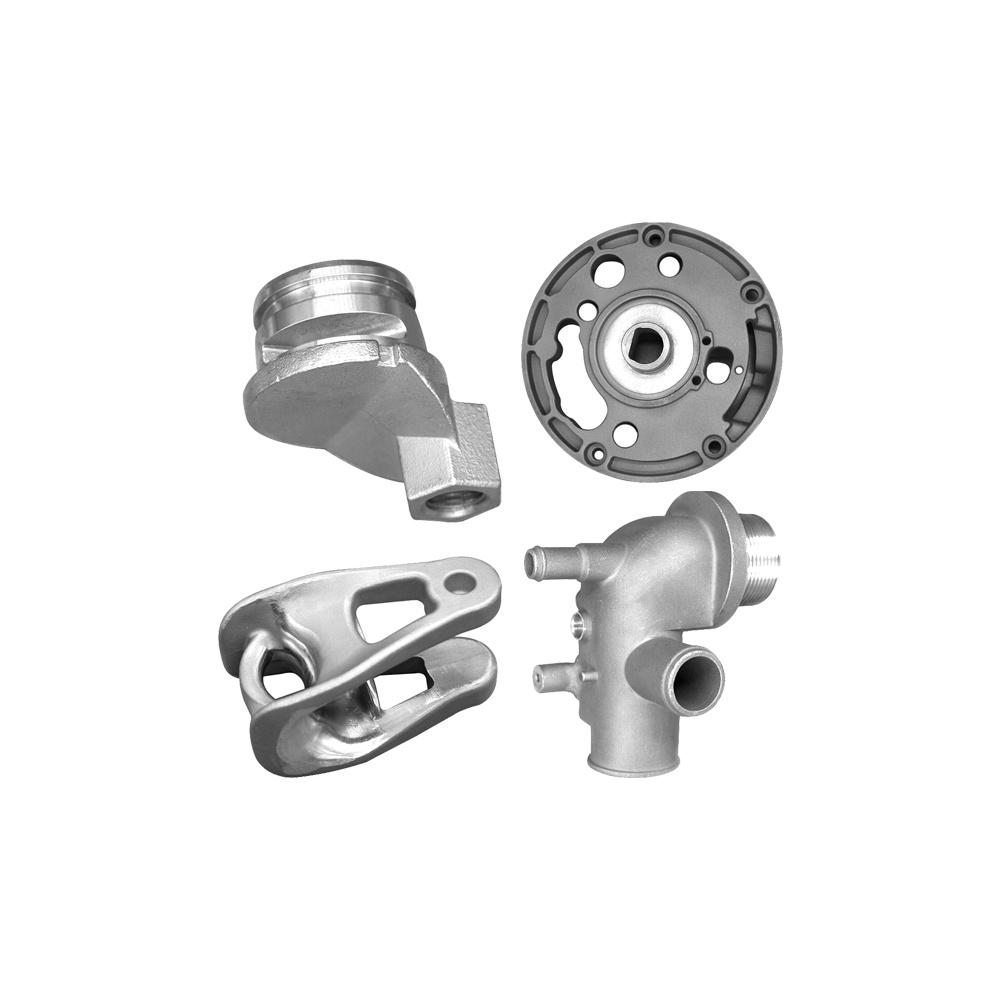
2025-12-14 12:00
Understanding CNC Turning and Milling Parts: A Comprehensive Guide for Precision Manufacturing
CNC (Computer Numerical Control) turning and milling are essential processes in the realm of precision manufacturing. These techniques are widely employed in the machining industry for producing intricate components that meet strict tolerances and specifications. Understanding the fundamentals of CNC turning and milling parts can enhance your knowledge of how these processes contribute to quality
2025-12-09 12:10
A Comprehensive Guide to Household Appliances Maintenance: Keep Your Home Running Smoothly
A Comprehensive Guide to Household Appliances Maintenance Household appliances are the backbone of modern living, providing convenience and efficiency in our daily routines. However, just like any other mechanical devices, they require regular maintenance to function optimally. In this guide, we will explore various household appliances, their maintenance needs, and practical tips to extend their
Let’s Talk
We can help you figure out your needs.