
 Esperanto
 Shqiptare
 Euskara
 Zulu
Zulu
 Latinus
 Cymraeg
 தமிழ்
தமிழ்
 Slovak
 Slovak
 Afrikaans

Understanding Sheet Metal Fabrication: A Comprehensive Guide for the Manufacturing Industry
Release time:
2024-09-12
Source:
One of the first steps in sheet metal fabrication is selecting the right material. Common metals used include stainless steel, aluminum, and copper, each offering unique properties suited to different applications. For instance, stainless steel is renowned for its corrosion resistance, making it ideal for environments exposed to moisture. On the other hand, aluminum is lightweight and easily machinable, which makes it suitable for applications where reducing weight is critical.
The fabrication process itself typically includes several key stages. Cutting methods can vary, including laser cutting, waterjet cutting, or traditional methods like shearing and sawing. Each technique has its advantages; for instance, laser cutting offers high precision and can handle intricate designs, while waterjet cutting is effective for thicker materials without altering the metal's properties due to heat.
After cutting, the next stage is bending, which shapes the metal sheets into the desired configuration. This process can be performed using press brakes or other bending machines, ensuring that the angles and dimensions meet design specifications. Precision in this stage is crucial, as it affects the overall fit and functionality of the final product.
Assembly is the final stage of sheet metal fabrication. It involves joining different fabricated parts using methods like welding, riveting, or fastening. The choice of assembly technique depends on factors such as the design's complexity and the operational requirements of the finished item. Effective assembly ensures structural integrity and functionality in the end product.
In addition to these essential stages, it is also important to consider finishing processes. Techniques like powder coating, painting, or anodizing can enhance the aesthetic appeal and increase the durability of the sheet metal components. These finishes not only add to the product's visual quality but also provide protection against corrosion and wear, extending the life span of the fabricated parts.
In summary, sheet metal fabrication is a multifaceted process that plays a critical role in the manufacturing and mechanical industries. Understanding the materials, techniques, and applications involved in this process can significantly enhance the quality and efficiency of production. By investing time in mastering these aspects, manufacturers can ensure they meet the evolving demands of their clients while maintaining high standards of craftsmanship and innovation.
Sheet Metal Fabrication
Related News
2025-12-14 12:00
Understanding CNC Turning and Milling Parts: A Comprehensive Guide for Precision Manufacturing
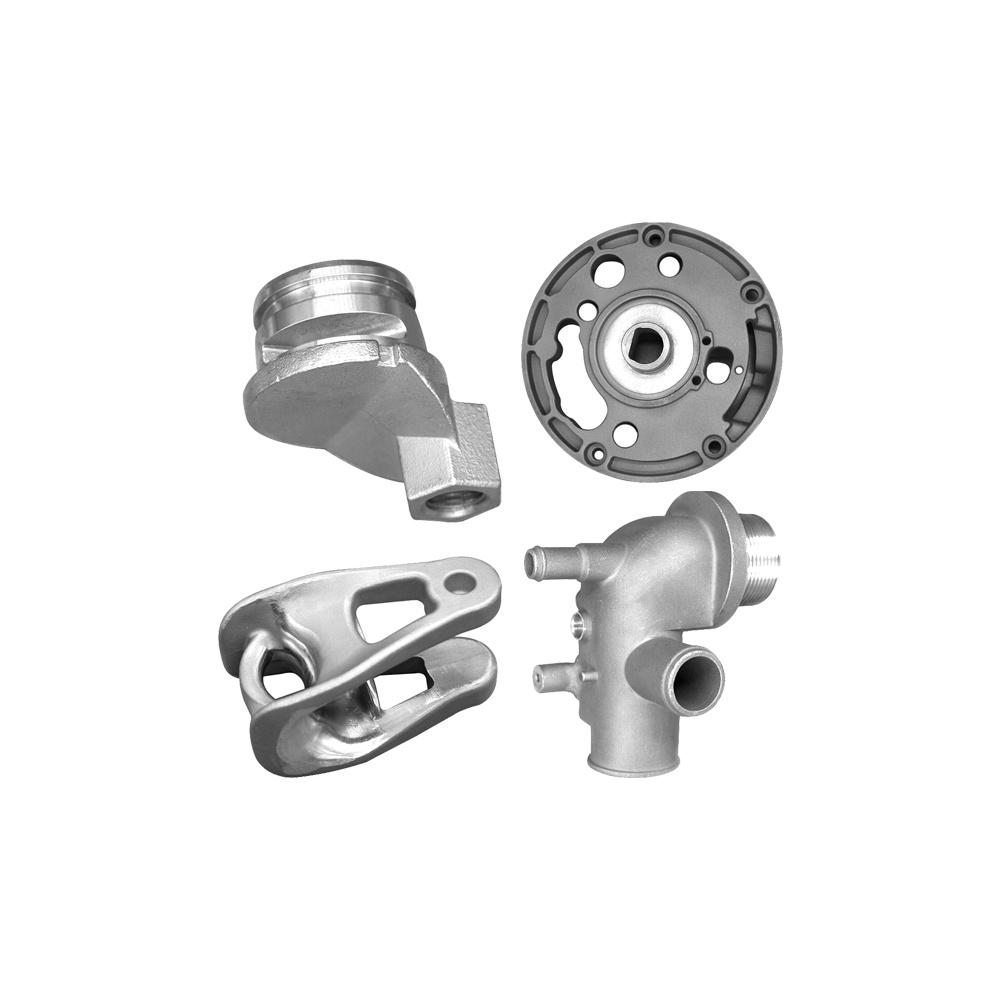
CNC (Computer Numerical Control) turning and milling are essential processes in the realm of precision manufacturing. These techniques are widely employed in the machining industry for producing intricate components that meet strict tolerances and specifications. Understanding the fundamentals of CNC turning and milling parts can enhance your knowledge of how these processes contribute to quality
2025-12-09 12:10
A Comprehensive Guide to Household Appliances Maintenance: Keep Your Home Running Smoothly
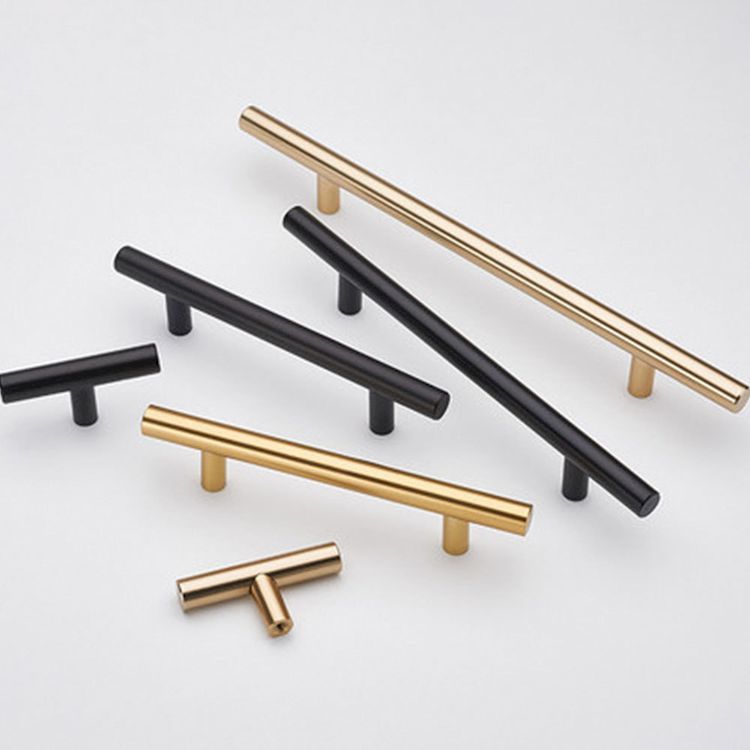
A Comprehensive Guide to Household Appliances Maintenance Household appliances are the backbone of modern living, providing convenience and efficiency in our daily routines. However, just like any other mechanical devices, they require regular maintenance to function optimally. In this guide, we will explore various household appliances, their maintenance needs, and practical tips to extend their
Let’s Talk
We can help you figure out your needs.