
 Esperanto
 Shqiptare
 Euskara
 Zulu
Zulu
 Latinus
 Cymraeg
 தமிழ்
தமிழ்
 Slovak
 Slovak
 Afrikaans

Exploring the Art of Precision in Sheet Metal Fabrication
Release time:
2024-09-09
Source:
Exploring the Art of Precision in Sheet Metal Fabrication
Introduction to Sheet Metal Fabrication
Sheet metal fabrication is a vital process in the manufacturing industry, involving the manipulation of metal sheets into various shapes and structures. From automotive parts to electronic enclosures, the applications of sheet metal are vast and diverse. **Precision** in this field is not just a requirement; it's an art form that combines skill, technology, and creativity.
The Importance of Precision in Fabrication
Precision is crucial in sheet metal fabrication for several reasons:
1. Quality and Durability
High-precision fabrication ensures that the finished products meet the required standards of quality and durability. Components fabricated with precision tend to perform better and last longer, ultimately reducing the need for repairs or replacements.
2. Cost-Effectiveness
While investing in precision may seem costly upfront, it leads to significant savings in the long run. Precise fabrication reduces waste and minimizes errors, which translates to lower production costs.
3. Enhanced Aesthetics
Precise machining and cutting result in cleaner lines and better finishes. This attention to detail not only improves functionality but also enhances the aesthetic appeal of the final product.
4. Meeting Industry Standards
Many industries have strict regulations regarding the specifications of components. Precision fabrication helps manufacturers comply with these standards, ensuring their products can compete in the market without legal issues.
Key Techniques in Sheet Metal Fabrication
The precision in sheet metal fabrication is achieved through various techniques and methods. Below, we explore some of the most notable ones.
1. Laser Cutting
Laser cutting is one of the most precise methods available in the industry. It uses focused laser beams to cut through metal sheets, allowing for intricate designs and minimal material wastage. The **high accuracy** of laser cutting makes it ideal for complex components that require tight tolerances.
2. CNC Machining
Computer Numerical Control (CNC) machining automates the fabrication process, allowing for consistent and repeatable precision. CNC machines can handle multiple operations, such as cutting, bending, and milling, with remarkable accuracy.
3. Water Jet Cutting
Water jet cutting employs high-pressure water mixed with abrasives to slice through metal. This method is particularly useful for materials that are sensitive to high temperatures, as it produces no heat-affected zones, ensuring the integrity of the material.
4. Punching and Stamping
Punching and stamping involve using dies to create shapes and holes in metal sheets. These techniques are efficient for high-volume production and can achieve precise dimensions with minimal material loss.
Materials Used in Sheet Metal Fabrication
The choice of material significantly impacts the fabrication process and the final product's quality.
1. Steel
Steel is the most common material used in sheet metal fabrication due to its strength and durability. Both **carbon steel** and **stainless steel** have their unique properties, making them suitable for different applications.
2. Aluminum
Aluminum is lightweight and resistant to corrosion, making it ideal for applications where weight is a concern, such as in the aerospace and automotive industries. Its malleability allows it to be easily shaped and formed.
3. Copper
Copper is known for its excellent conductivity, making it an ideal material for electrical components. Its antimicrobial properties also make it suitable for various medical applications.
4. Brass
Brass is an alloy of copper and zinc. It offers good corrosion resistance and is often used in decorative applications, plumbing fixtures, and electrical components.
Advancements in Sheet Metal Fabrication Technology
As technology continues to evolve, so does the landscape of sheet metal fabrication. Innovations are enabling manufacturers to achieve greater precision and efficiency.
1. Automation and Robotics
The introduction of automation and robotics in fabrication processes minimizes human error and increases production speed. Automated systems can handle repetitive tasks with remarkable precision, allowing skilled workers to focus on more complex operations.
2. 3D Printing
3D printing technology has begun to play a role in metal fabrication. Though still in its infancy, metal 3D printing allows for intricate designs and rapid prototyping, paving the way for innovation in product development.
3. Advanced Software Solutions
Utilizing sophisticated software for design and simulation helps in planning the fabrication process accurately. These tools enable engineers to visualize the end product and make necessary adjustments before production begins.
4. Smart Manufacturing
The concept of smart manufacturing integrates IoT (Internet of Things) and data analytics into fabrication processes. By collecting real-time data, manufacturers can monitor their operations closely, ensuring precision and efficiency throughout the production cycle.
Best Practices for Achieving Precision in Fabrication
To ensure high precision in sheet metal fabrication, manufacturers should adopt the following best practices:
1. Regular Maintenance of Equipment
Proper maintenance of fabrication machines is essential. Regular servicing and calibration can prevent errors and prolong the life of the equipment.
2. Skilled Workforce
Investing in training for operators and engineers is vital. A skilled workforce can better understand the intricacies of fabrication processes and make informed decisions that contribute to precision.
3. Quality Control Measures
Implementing strict quality control measures ensures that every component manufactured meets the required specifications. Regular inspections and tests can help identify issues early in the process.
4. Collaboration with Suppliers
Working closely with material suppliers can lead to better material selection and sourcing. Suppliers who understand the requirements of fabrication can provide materials that enhance precision.
Challenges in Achieving Precision
While there are numerous advantages to precision sheet metal fabrication, challenges still exist.
1. Material Limitations
Certain materials can present issues in achieving desired tolerances. Understanding the properties of the materials used is essential for selecting the right fabrication methods.
2. Cost Constraints
High precision often comes at a higher cost. Manufacturers must balance precision with budget constraints, which can lead to difficult choices regarding production processes.
3. Time Pressures
The pressure to deliver products quickly can compromise precision. Establishing realistic timelines and maintaining quality standards are crucial for success.
Future Trends in Sheet Metal Fabrication
Looking ahead, several trends are emerging in the field of sheet metal fabrication.
1. Increased Customization
As industries demand more customized solutions, fabrication processes will need to adapt accordingly. Advanced technologies will facilitate more flexible designs and production methods.
2. Sustainable Practices
Environmental concerns are driving the industry toward sustainable practices. Manufacturers will need to consider recycling, energy efficiency, and waste reduction in their operations.
3. Integration of AI
Artificial intelligence is set to revolutionize the fabrication industry by optimizing processes, predicting maintenance needs, and enhancing decision-making based on data analysis.
4. Enhanced Safety Measures
As technology advances, so will safety protocols. Implementing advanced safety measures, including automation, will help protect workers while maintaining precision in fabrication.
FAQs About Precision in Sheet Metal Fabrication
1. What is sheet metal fabrication?
Sheet metal fabrication is the process of manipulating metal sheets into desired shapes for various applications, utilizing techniques like cutting, bending, and assembling.
2. Why is precision important in sheet metal fabrication?
Precision is crucial for ensuring quality, durability, and cost-effectiveness in the final products, as well as for meeting industry standards.
3. What materials are commonly used in sheet metal fabrication?
Common materials include steel, aluminum, copper, and brass, each with unique properties suited for different applications.
4. How has technology impacted sheet metal fabrication?
Technological advancements such as automation, CNC machining, and smart manufacturing have significantly improved the precision and efficiency of fabrication processes.
5. What are some challenges in achieving precision in fabrication?
Challenges include material limitations, cost constraints, and time pressures, which can affect the overall quality and precision of the finished products.
Conclusion
The art of precision in sheet metal fabrication is a blend of skill, technology, and creativity. As industries continue to evolve, so will the techniques and technologies that underpin this essential manufacturing process. By embracing advancements and adhering to best practices, manufacturers can ensure they not only meet but exceed the expectations of quality and precision, positioning themselves favorably in a competitive market. Through dedication to craftsmanship and innovation, the future of sheet metal fabrication is bright, promising even greater possibilities for precision and excellence.
Sheet Metal Fabrication
Related News
2025-12-14 12:00
Understanding CNC Turning and Milling Parts: A Comprehensive Guide for Precision Manufacturing
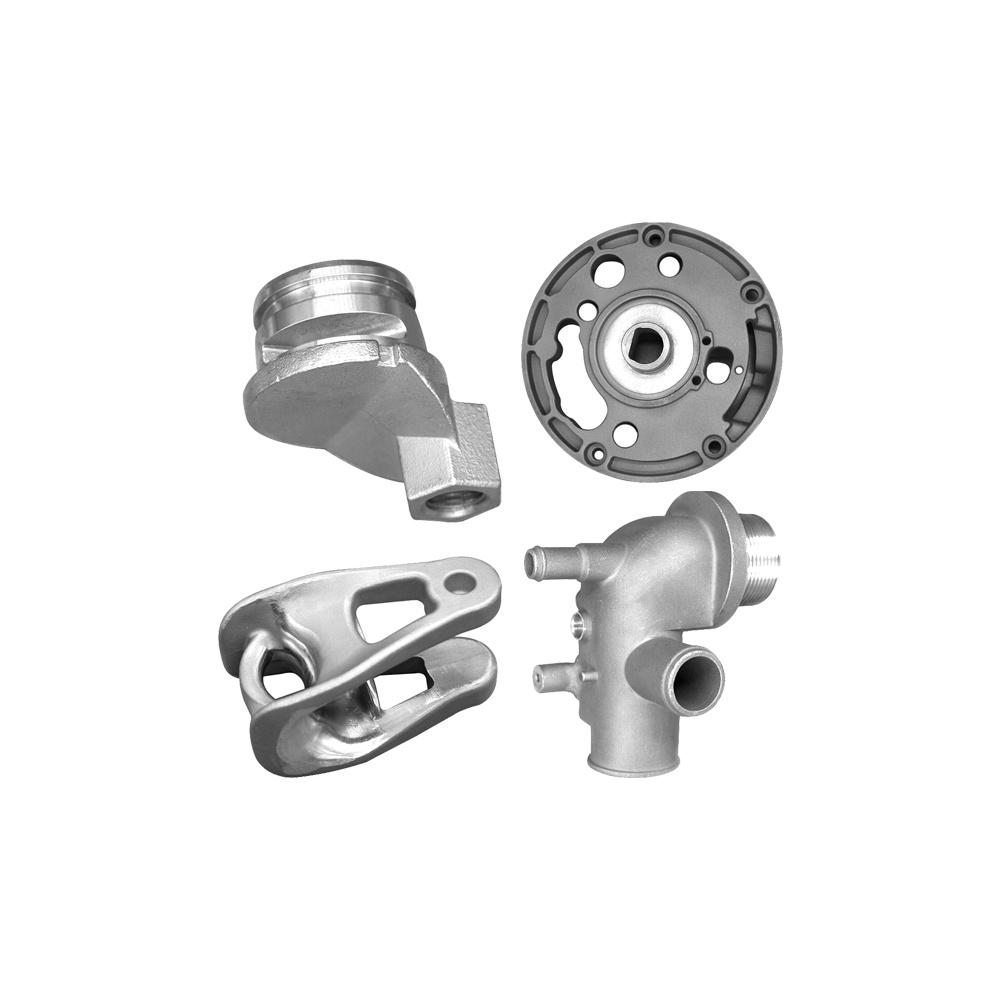
CNC (Computer Numerical Control) turning and milling are essential processes in the realm of precision manufacturing. These techniques are widely employed in the machining industry for producing intricate components that meet strict tolerances and specifications. Understanding the fundamentals of CNC turning and milling parts can enhance your knowledge of how these processes contribute to quality
2025-12-09 12:10
A Comprehensive Guide to Household Appliances Maintenance: Keep Your Home Running Smoothly
A Comprehensive Guide to Household Appliances Maintenance Household appliances are the backbone of modern living, providing convenience and efficiency in our daily routines. However, just like any other mechanical devices, they require regular maintenance to function optimally. In this guide, we will explore various household appliances, their maintenance needs, and practical tips to extend their
Let’s Talk
We can help you figure out your needs.