
 Esperanto
 Shqiptare
 Euskara
 Zulu
Zulu
 Latinus
 Cymraeg
 தமிழ்
தமிழ்
 Slovak
 Slovak
 Afrikaans

Sheet Metal Fabrication: A Comprehensive Guide to Manufacturing Processes and Applications
Release time:
2024-02-04
Source:
1. Introduction to Sheet Metal Fabrication
Sheet metal fabrication refers to the process of transforming flat sheets of metal into desired shapes and structures. Commonly used metals include aluminum, stainless steel, and carbon steel. This technique is widely employed in industries such as automotive, aerospace, construction, and electronics.
2. Cutting and Shearing Processes
The initial step in sheet metal fabrication involves cutting the material into the desired size and shape. Common cutting techniques include shearing, which involves the use of specialized machinery to make straight cuts in the metal sheets, and laser cutting, a precise and efficient method that uses laser technology.
3. Forming and Bending
Forming and bending processes are essential in creating three-dimensional shapes from flat metal sheets. Techniques like press brake forming and roll forming are commonly used. These processes require expertise and precision to achieve accurate dimensions and desired shapes.
4. Joining Methods
Joining sheet metal is crucial to create larger structures. Common joining methods include welding, where metals are fused together using heat, and fastening techniques such as riveting, screwing, and bonding. The appropriate joining method depends on the specific requirements of the project.
5. Finishing and Surface Treatment
Sheet metal fabrication involves various finishing and surface treatment processes to enhance the appearance and durability of the final product. Techniques like sanding, polishing, powder coating, and painting are employed to achieve desired aesthetics and protect the metal from corrosion and wear.
6. Applications of Sheet Metal Fabrication
Sheet metal fabrication finds applications in a wide range of industries. In the automotive sector, it is used for manufacturing vehicle components, chassis, and body panels. In the aerospace industry, it is employed in creating aircraft parts and structures. Additionally, it is utilized in electronics, construction, and HVAC systems, among others.
7. Advantages and Considerations
Sheet metal fabrication offers several advantages, including high strength-to-weight ratio, cost-effectiveness, and design flexibility. However, it is crucial to consider factors like material selection, tolerances, and manufacturing feasibility during the design and fabrication process.
In conclusion, sheet metal fabrication plays a vital role in the manufacturing and machining industry. This guide has provided an overview of the processes, applications, and considerations associated with this essential aspect of metalworking. Understanding the intricacies of sheet metal fabrication will empower professionals in the industry to make informed decisions and produce high-quality products.
sheet metal fabrication
Related News
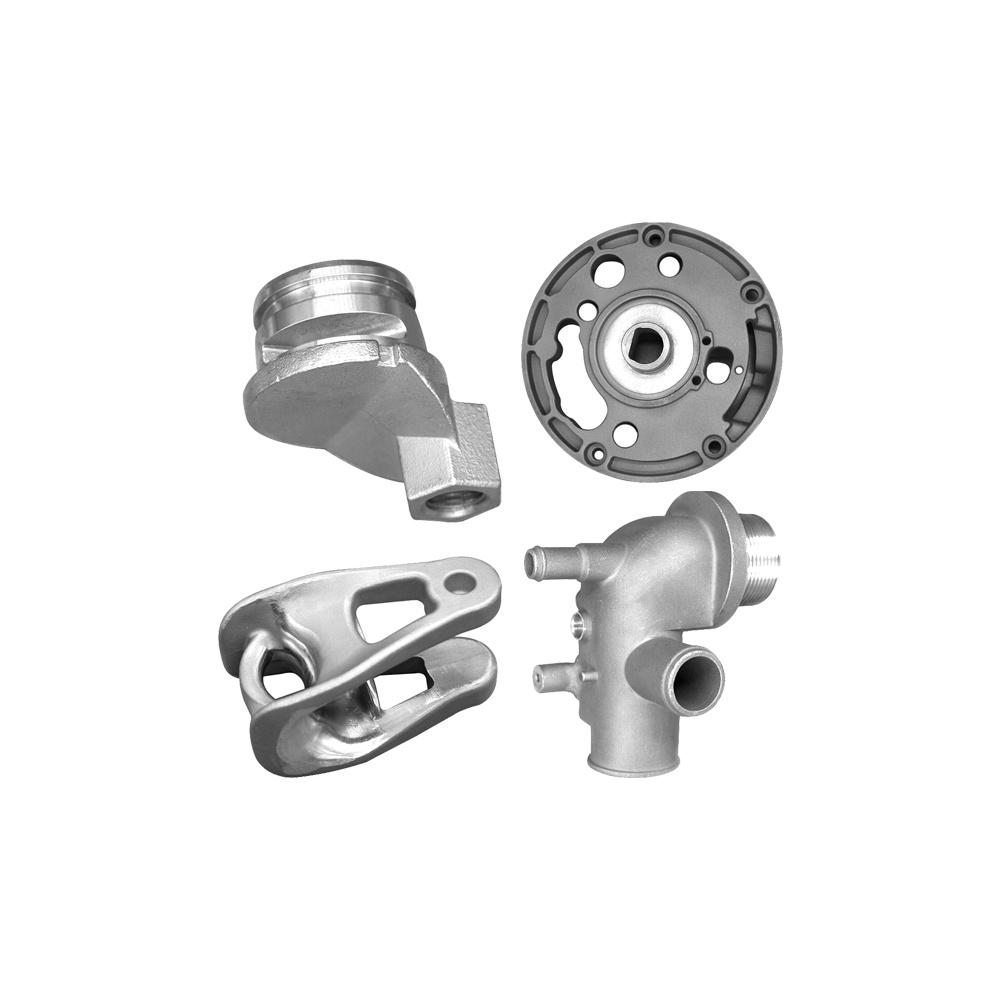
2025-12-14 12:00
Understanding CNC Turning and Milling Parts: A Comprehensive Guide for Precision Manufacturing
CNC (Computer Numerical Control) turning and milling are essential processes in the realm of precision manufacturing. These techniques are widely employed in the machining industry for producing intricate components that meet strict tolerances and specifications. Understanding the fundamentals of CNC turning and milling parts can enhance your knowledge of how these processes contribute to quality
2025-12-09 12:10
A Comprehensive Guide to Household Appliances Maintenance: Keep Your Home Running Smoothly
A Comprehensive Guide to Household Appliances Maintenance Household appliances are the backbone of modern living, providing convenience and efficiency in our daily routines. However, just like any other mechanical devices, they require regular maintenance to function optimally. In this guide, we will explore various household appliances, their maintenance needs, and practical tips to extend their
Let’s Talk
We can help you figure out your needs.