
 Esperanto
 Shqiptare
 Euskara
 Zulu
Zulu
 Latinus
 Cymraeg
 தமிழ்
தமிழ்
 Slovak
 Slovak
 Afrikaans

Achieving Precision with Sheet Metal Fabrication
Release time:
2024-02-05
Source:
1. Introduction
In the world of manufacturing and processing machinery, sheet metal fabrication plays a crucial role. This industry encompasses a wide range of techniques used to shape and form sheet metal into various components and products. Achieving precision is a key objective in this field, as it ensures the quality and functionality of the final output.
2. Understanding Sheet Metal Fabrication
Sheet metal fabrication involves transforming flat metal sheets into desired shapes and structures. It encompasses processes such as cutting, bending, welding, and finishing to create products that are used in industries like automotive, aerospace, construction, and more. The versatility and durability of sheet metal make it a popular choice for manufacturers worldwide.
3. The Importance of Precision in Sheet Metal Fabrication
Precision is of utmost importance in sheet metal fabrication. Even the slightest deviation from the specified measurements can lead to faulty products or components that do not fit together properly. Achieving precision ensures that each piece produced is accurate and meets the required specifications, leading to a seamless assembly process and improved overall performance.
4. Techniques for Achieving Precision
4.1 Computer Numerical Control (CNC) Machining
CNC machining utilizes computer-controlled systems to accurately shape and cut sheet metal. This automated process eliminates human errors and allows for highly precise and repetitive operations. CNC machines follow pre-programmed instructions, ensuring consistency and accuracy in every piece produced.
4.2 Laser Cutting
Laser cutting is a popular technique in sheet metal fabrication due to its precision and versatility. A high-powered laser beam is used to cut through the metal, producing clean and accurate edges. This method allows for intricate designs and complex shapes to be achieved with ease.
4.3 Press Brake Forming
Press brake forming involves bending and shaping the sheet metal using a hydraulic or mechanical press brake machine. Precision is achieved through carefully calibrated measurements and accurate positioning. This technique allows for the creation of precise angles and bends, ensuring a perfect fit during assembly.
4.4 Welding and Joining
Welding and joining techniques are essential in sheet metal fabrication to connect different components or pieces together. Achieving precision in welding requires skilled professionals who can accurately position and align the metal parts. Proper welding techniques ensure strong and secure joints that meet the required specifications.
4.5 Surface Treatment and Finishing
Surface treatment and finishing are crucial for achieving precision in sheet metal fabrication. Processes like polishing, coating, and painting not only enhance the appearance of the final product but also protect it from corrosion and wear. Precision in surface treatment ensures a smooth and flawless finish, adding value to the overall quality.
5. Common Challenges in Achieving Precision
Despite the advanced techniques available, sheet metal fabrication presents some challenges in achieving precision. Factors such as material properties, design complexity, and environmental conditions can affect the accuracy of the final output. Skilled professionals and thorough quality control measures are necessary to overcome these challenges and maintain precision throughout the fabrication process.
6. Quality Control and Assurance
To ensure precision in sheet metal fabrication, a comprehensive quality control system is essential. This includes regular inspections, measurements, and tests to verify the accuracy and consistency of the fabricated products. Quality control measures help identify any deviations from the desired specifications and allow for corrective actions to be taken promptly.
7. FAQs (Frequently Asked Questions)
7.1 What materials are commonly used in sheet metal fabrication?
Commonly used materials in sheet metal fabrication include stainless steel, aluminum, copper, and carbon steel. The choice of material depends on the specific requirements of the project, such as strength, corrosion resistance, or aesthetic appeal.
7.2 How can I ensure precision in my sheet metal fabrication project?
To ensure precision, it is crucial to work with experienced and skilled professionals who have expertise in sheet metal fabrication. Additionally, utilizing advanced techniques like CNC machining and laser cutting can significantly enhance precision and accuracy.
7.3 What is the typical turnaround time for sheet metal fabrication?
The turnaround time for sheet metal fabrication depends on various factors, including the complexity of the project, the quantity required, and the availability of materials. It is best to consult with the fabricator to determine the estimated turnaround time for a specific project.
7.4 Is sheet metal fabrication cost-effective?
Sheet metal fabrication is generally considered cost-effective due to the versatility and recyclability of the materials used. The ability to produce complex shapes and structures in a single manufacturing process reduces the need for additional components and assembly, resulting in cost savings.
7.5 What industries rely heavily on sheet metal fabrication?
Industries such as automotive, aerospace, construction, electronics, and telecommunications heavily rely on sheet metal fabrication for the production of various components and structures. The precision and durability of sheet metal make it an ideal choice for these industries.
8. Conclusion
Achieving precision in sheet metal fabrication is crucial to ensure the quality, functionality, and compatibility of the final products. By utilizing advanced techniques, adhering to strict quality control measures, and working with skilled professionals, manufacturers can achieve precise and accurate results. Whether it's producing intricate components or complex structures, precision in sheet metal fabrication is the key to success in diverse industries worldwide.
sheet metal fabrication
Related News
2025-12-14 12:00
Understanding CNC Turning and Milling Parts: A Comprehensive Guide for Precision Manufacturing
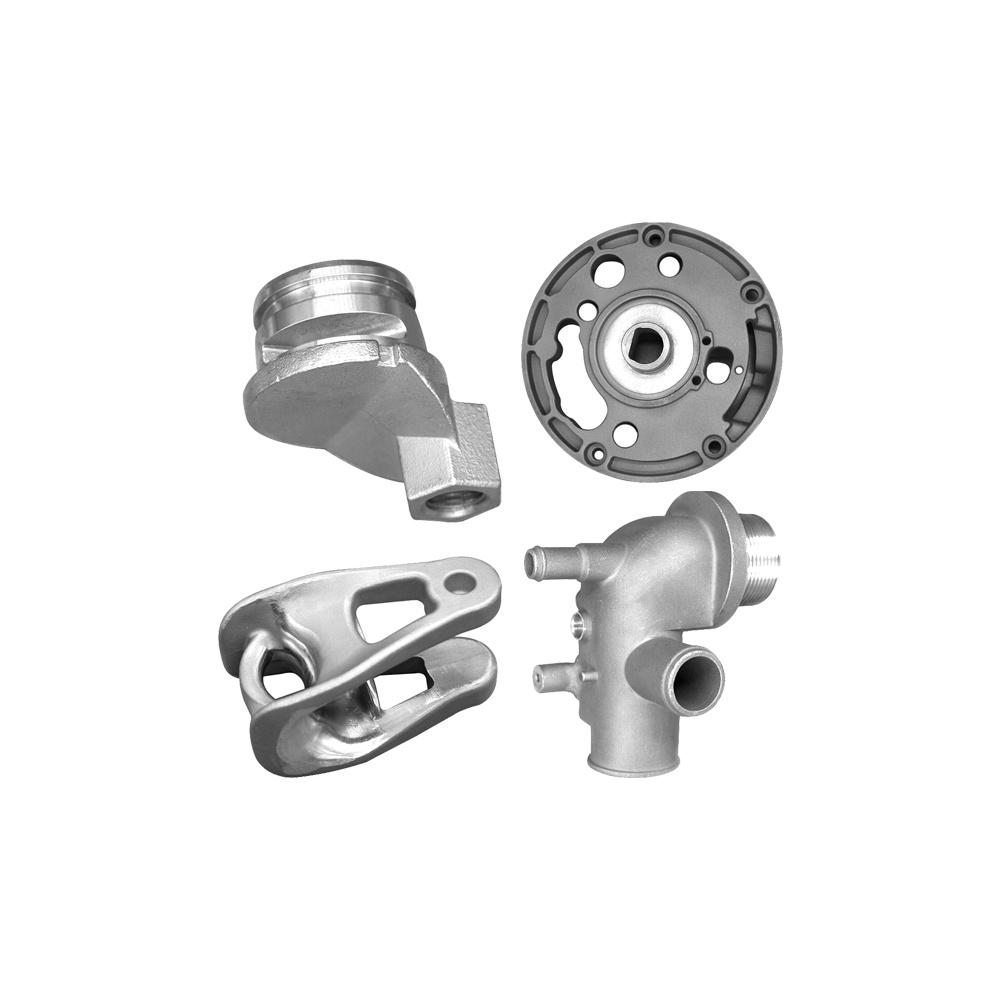
CNC (Computer Numerical Control) turning and milling are essential processes in the realm of precision manufacturing. These techniques are widely employed in the machining industry for producing intricate components that meet strict tolerances and specifications. Understanding the fundamentals of CNC turning and milling parts can enhance your knowledge of how these processes contribute to quality
2025-12-09 12:10
A Comprehensive Guide to Household Appliances Maintenance: Keep Your Home Running Smoothly
A Comprehensive Guide to Household Appliances Maintenance Household appliances are the backbone of modern living, providing convenience and efficiency in our daily routines. However, just like any other mechanical devices, they require regular maintenance to function optimally. In this guide, we will explore various household appliances, their maintenance needs, and practical tips to extend their
Let’s Talk
We can help you figure out your needs.