
 Esperanto
 Shqiptare
 Euskara
 Zulu
Zulu
 Latinus
 Cymraeg
 தமிழ்
தமிழ்
 Slovak
 Slovak
 Afrikaans

Electrical Adapters Explained: What You Need to Know for Optimal Power Management
Release time:
2026-03-25
Source:
Electrical Adapters Explained: What You Need to Know for Optimal Power Management
In today's technology-driven world, electrical adapters play a crucial role in providing the necessary power to a variety of devices. From smartphones to laptops, and even household appliances, the right adapter ensures that devices function safely and efficiently. This comprehensive guide will dive deep into the world of electrical adapters, exploring their types, applications, and best practices for usage. By the end of this article, you will be well-equipped to make informed decisions about electrical adapters for your specific needs.
Table of Contents
- What Are Electrical Adapters?
- The Importance of Electrical Adapters
- Types of Electrical Adapters
- How to Choose the Right Adapter
- Safety Considerations for Electrical Adapters
- Common Misconceptions About Electrical Adapters
- The Future of Electrical Adapters
- Frequently Asked Questions
- Conclusion
What Are Electrical Adapters?
Electrical adapters are devices that enable the connection of various electrical devices to a power source. They convert the voltage and current from the power source to match the requirements of the connected device. Without the appropriate adapter, devices may not function properly, or worse, they could be damaged due to incompatible power specifications.
The Importance of Electrical Adapters
Understanding the importance of electrical adapters is essential for a few reasons:
- Device Compatibility: Adapters ensure that different devices can connect and function with varying power sources.
- Safety: Using the correct adapter minimizes the risk of electrical hazards, such as short circuits and electrical fires.
- Efficiency: Proper power management through the use of suitable adapters can enhance device performance and longevity.
Types of Electrical Adapters
Electrical adapters come in various types, each designed for specific functions. Understanding these types can help you choose the right one for your devices.
1. Power Adapters
Power adapters are commonly used to convert AC (alternating current) from a wall outlet to DC (direct current) required by devices. They are essential for laptops, chargers, and many other electronic devices. Power adapters vary in size and output voltage, so it's important to match the adapter specifications with the device requirements.
2. Travel Adapters
Travel adapters enable devices from one country to connect to different electrical outlets used in another country. They often do not convert voltage but simply allow the plug to fit into different socket types. Travelers should be cautious, as using the wrong adapter can damage devices.
3. USB Adapters
USB adapters are designed for charging and connecting devices through USB ports. They are widely used for smartphones, tablets, and other portable electronics. With the rise of USB-C technology, these adapters have become increasingly versatile.
How to Choose the Right Adapter
Selecting the right electrical adapter is crucial for device compatibility and safety. Here are some key considerations to keep in mind:
- Compatibility: Check the voltage and current requirements of your device and ensure the adapter matches these specifications.
- Type of Connection: Identify the type of plug your device uses and select an adapter that accommodates this connection.
- Quality: Invest in high-quality adapters from reputable manufacturers to avoid safety risks associated with inferior products.
Safety Considerations for Electrical Adapters
Safety should always be a priority when dealing with electrical devices. Here are essential safety tips when using electrical adapters:
- Inspect Adapters Regularly: Check your adapters for wear and tear. Frayed wires or cracked casings can pose serious safety hazards.
- Avoid Overloading: Do not exceed the adapter's maximum output capacity, as this can lead to overheating and potential fires.
- Use in Suitable Conditions: Ensure that adapters are used in dry environments, away from moisture that could cause short circuits.
Common Misconceptions About Electrical Adapters
Several misconceptions surround electrical adapters that can lead to misuse. Here are a few clarifications:
- Adapters Always Convert Voltage: Not all adapters convert voltage; some are just plug converters.
- Any Adapter Works for Any Device: This is false; using an incorrect adapter can damage your device.
- Cheap Adapters Are Just as Good: Quality matters greatly; choosing cheaper options can compromise safety and device performance.
The Future of Electrical Adapters
The future of electrical adapters is rapidly evolving with advancements in technology. Here are some trends we can expect to see:
- Increased Adoption of USB-C: The universal nature of USB-C is likely to reduce the need for multiple adapters.
- Smart Adapters: Future adapters may incorporate smart technology to optimize power delivery based on device needs.
- Eco-Friendly Options: As sustainability becomes a priority, manufacturers are likely to produce adapters with eco-friendly materials and energy-efficient designs.
Frequently Asked Questions
1. What is the difference between a power adapter and a charger?
A power adapter converts AC to DC for devices, while a charger is specifically designed to store energy in batteries.
2. Can I use any adapter for my laptop?
No, it is crucial to use an adapter that matches the voltage and amperage specifications of your laptop to avoid damage.
3. Are travel adapters safe to use?
Yes, as long as they are used correctly and match the device's voltage requirements, travel adapters are safe.
4. How do I know if my adapter is faulty?
Signs of a faulty adapter include unusual heat, strange noises, or the device failing to charge. Inspect visually for any physical damage.
5. Is it safe to leave adapters plugged in when not in use?
It is generally advisable to unplug adapters when not in use to prevent potential overheating or electrical hazards.
Conclusion
In conclusion, understanding electrical adapters is essential for ensuring the optimal performance and safety of your devices. By recognizing the different types of adapters, knowing how to choose the right one, and following safety precautions, you can effectively manage your power needs. As technology continues to advance, staying informed about the latest trends in electrical adapters will help you make educated choices for your electronics. Whether at home or on the go, having the right adapter can make all the difference in keeping your devices powered and functional.
electrical adapters
Related News
2026-04-04 11:30
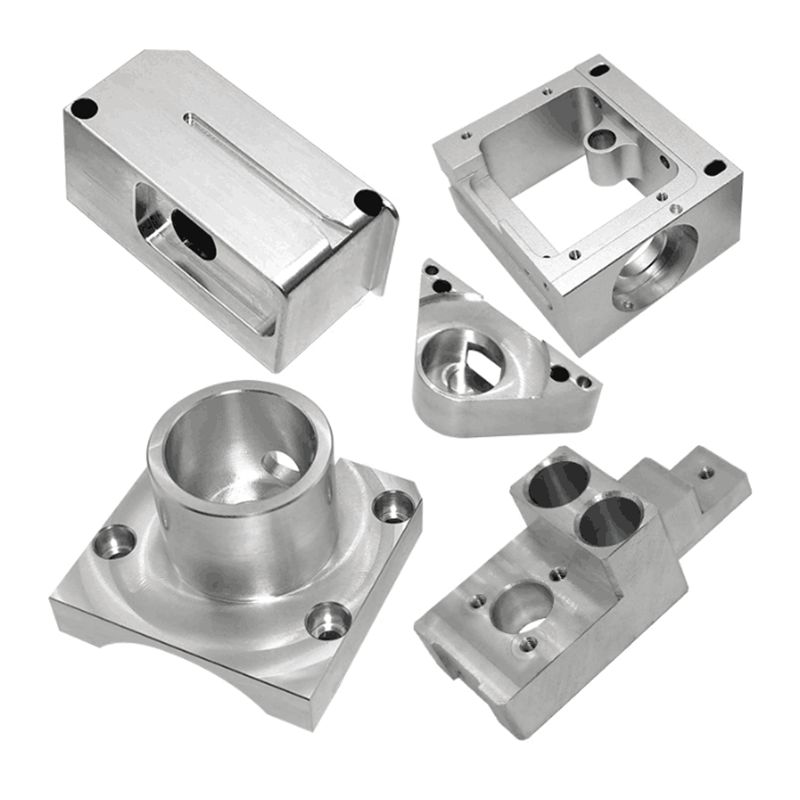
Maximizing Production: The Advantages of CNC Turning Services for Efficient Manufacturing
Maximizing Production: The Advantages of CNC Turning Services Table of Contents 1. Introduction to CNC Turning Services 2. What is CNC Turning? 3. Benefits of CNC Turning Services 3.1. Precision and Accuracy 3.2. Cost Efficiency 3.3. Faster Production Times 3.4. Versatility in Materials 3.5. Scalability for Various Projects

2026-03-30 13:50
The Ultimate Guide to Household Appliances: Enhancing Your Home Efficiency
Household appliances play a pivotal role in enhancing the efficiency and convenience of our daily lives. From kitchen gadgets to laundry equipment, these essential tools are designed to save time and minimize effort, allowing us to focus on what truly matters. Understanding the different types of household appliances and their functions can significantly improve your home experience. At the core o
Let’s Talk
We can help you figure out your needs.