
 Esperanto
 Shqiptare
 Euskara
 Zulu
Zulu
 Latinus
 Cymraeg
 தமிழ்
தமிழ்
 Slovak
 Slovak
 Afrikaans

Innovative Solutions for Every Dental Instrument Need: Transforming Dental Practice Efficiency
Release time:
2026-03-15
Source:
Innovative Solutions for Every Dental Instrument Need
Introduction to Dental Instruments and Their Importance
In the fast-paced world of dentistry, the need for **innovative solutions** has never been more critical. Dental instruments are the backbone of effective dental practice, serving a range of purposes from diagnostics to treatment. Quality instruments not only improve the accuracy of procedures but also enhance patient safety and comfort. As the industry evolves, so do the technologies and materials used in dental instruments. This article delves into the latest innovations in **dental tools** and how they cater to every dental instrument need.
The Evolution of Dental Instruments
Dental instruments have significantly evolved over the years. Early dental practices relied heavily on rudimentary tools, often causing discomfort and inefficiency. Today, advancements in material science, design, and technology have paved the way for instruments that are more effective and user-friendly.
Key Milestones in Dental Instrument Development
1. **Introduction of Stainless Steel**: In the early 20th century, stainless steel revolutionized dental tools by providing durability and resistance to corrosion.
2. **The Advent of Digital Tools**: The late 20th century saw the introduction of digital radiography, allowing for faster diagnostics with lower radiation exposure.
3. **Minimally Invasive Techniques**: Recent innovations focus on minimally invasive procedures, which require specialized instruments that cause less trauma to the patient.
Understanding Different Types of Dental Instruments
To effectively address dental needs, we must explore the various types of dental instruments available in the market today.
Diagnostic Instruments
These tools are crucial for identifying dental issues early. Common diagnostic instruments include:
- **Explorers**: Used to detect cavities and other dental anomalies.
- **X-ray Machines**: Essential for viewing the internal structure of teeth and bones.
- **Intraoral Cameras**: Allow dentists to see and show patients real-time images of their dental conditions.
Treatment Instruments
Treatment instruments are designed for specific procedures. Key instruments include:
- **Scalers**: For removing plaque and tartar from teeth surfaces.
- **Fillers**: Used to apply dental materials during restoration procedures.
- **Surgical Instruments**: Such as forceps and scalpels, used for tooth extractions and surgeries.
Preventive Instruments
Preventive instruments assist in maintaining oral health. They include:
- **Flossers**: Essential for cleaning between teeth.
- **Sealant Applicators**: Used to apply sealants that protect teeth from decay.
Latest Innovations in Dental Instruments
Keeping up with the latest innovations is paramount for any dental practice aiming to provide top-notch patient care. Here are some of the groundbreaking solutions currently available:
Smart Dental Technology
The integration of **smart technology** into dental instruments is changing the landscape of dentistry. Instruments equipped with sensors can provide real-time feedback, enhancing precision during procedures.
3D Printing in Dentistry
3D printing technology has emerged as a game-changer, allowing for the rapid production of custom dental instruments and prosthetics. This technology not only saves time but also reduces costs, making it accessible for more practices.
Laser Dentistry
Laser technology has transformed treatments by reducing the need for traditional surgical instruments. Lasers offer precision and minimize discomfort, leading to quicker recovery times for patients.
The Benefits of Laser Dental Instruments
- **Reduced Pain**: Patients often experience less pain compared to traditional methods.
- **Faster Healing**: Lasers promote quicker recovery by reducing tissue damage.
- **Less Anesthesia Required**: Many procedures can be performed with minimal or no anesthesia.
Choosing the Right Dental Instruments for Your Practice
Selecting the appropriate instruments for your dental practice is crucial. Here are some tips to consider:
Assessing Your Practice Needs
Analyze the types of procedures you perform most frequently. This will help you determine which instruments are essential for your practice.
Quality Over Cost
While it may be tempting to opt for cheaper options, investing in high-quality instruments can save money in the long run. Quality tools are more durable and provide better performance.
Stay Updated with Trends
Continuously educate yourself and your staff about new technologies and instruments. Attending workshops and dental conferences can provide insights into the latest innovations.
The Future of Dental Instruments
As we look to the future, we can expect even more advancements in dental instruments. The focus will likely shift towards more patient-centered solutions, including:
Integration of AI and Machine Learning
Artificial intelligence is set to play a significant role in diagnostics and treatment planning. AI algorithms can analyze patient data and suggest tailored treatment plans, making the process more efficient.
Biocompatible Materials
The use of biocompatible materials in dental instruments ensures that they are safe and effective for patient use. This trend is expected to grow as patient safety becomes increasingly prioritized.
FAQs about Dental Instruments
What are the most commonly used dental instruments in a practice?
Commonly used instruments include explorers, scalers, mirrors, and dental chairs. Each plays a vital role in providing quality dental care.
How do I maintain dental instruments properly?
Regular cleaning and sterilization are essential. Follow the manufacturer's guidelines for specific maintenance procedures to ensure longevity and effectiveness.
What innovations should I look for when purchasing dental instruments?
Look for instruments that incorporate smart technology, are made from durable materials, and offer ergonomic designs for ease of use.
How can new dental technologies improve patient outcomes?
New technologies, such as laser dentistry and smart instruments, provide more precise treatments, reduce discomfort, and lead to faster recovery times.
Are there specific instruments for pediatric dentistry?
Yes, pediatric dentistry often requires specialized instruments, such as smaller tools designed for children's mouths and instruments that make procedures less intimidating.
Conclusion
Innovative solutions for dental instruments are transforming the way dental practitioners deliver care. From advanced technology to ergonomic design, the future of dental tools promises to enhance both the efficiency of practices and the comfort of patients. By staying informed about the latest developments and investing in quality instruments, dental professionals can ensure they meet every instrument need effectively. The journey towards excellence in dental care is ongoing, and embracing innovation is at the heart of this evolution.
Dental Instruments
Related News
2026-04-04 11:30
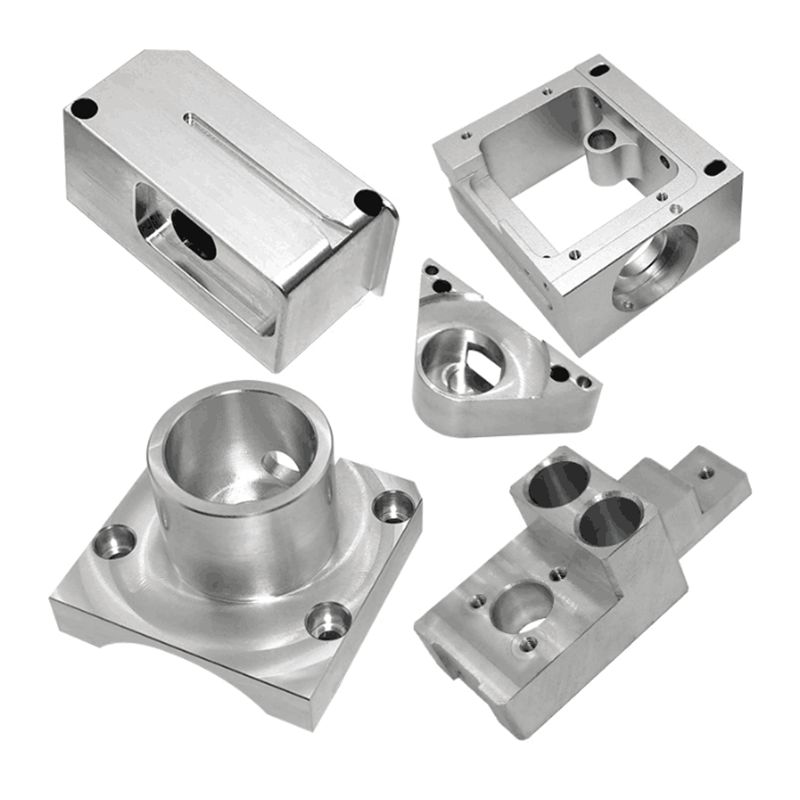
Maximizing Production: The Advantages of CNC Turning Services for Efficient Manufacturing
Maximizing Production: The Advantages of CNC Turning Services Table of Contents 1. Introduction to CNC Turning Services 2. What is CNC Turning? 3. Benefits of CNC Turning Services 3.1. Precision and Accuracy 3.2. Cost Efficiency 3.3. Faster Production Times 3.4. Versatility in Materials 3.5. Scalability for Various Projects

2026-03-30 13:50
The Ultimate Guide to Household Appliances: Enhancing Your Home Efficiency
Household appliances play a pivotal role in enhancing the efficiency and convenience of our daily lives. From kitchen gadgets to laundry equipment, these essential tools are designed to save time and minimize effort, allowing us to focus on what truly matters. Understanding the different types of household appliances and their functions can significantly improve your home experience. At the core o
Let’s Talk
We can help you figure out your needs.