
 Esperanto
 Shqiptare
 Euskara
 Zulu
Zulu
 Latinus
 Cymraeg
 தமிழ்
தமிழ்
 Slovak
 Slovak
 Afrikaans

Understanding Dental Instruments: Essential Tools for Every Dental Practice
Release time:
2025-11-24
Source:
There are several categories of dental instruments, each with specific purposes. **Examination instruments**, such as mirrors, explorers, and periodontal probes, are essential for diagnosing oral conditions. These instruments allow dentists to visualize hard-to-reach areas in the mouth and assess the health of gums and teeth effectively. An accurate diagnosis is the first step toward successful treatment.
Next, we have **hand instruments**, which include tools like scalers, curettes, and chisels. These instruments are primarily used for cleaning, shaping, and removing dental tissue. For instance, scalers are crucial for the removal of dental plaque and calculus, which helps prevent periodontal diseases. Similarly, curettes aid in cleaning the roots of teeth during non-surgical periodontal therapy.
**Rotary instruments**, such as dental handpieces and drills, are another critical category. These tools allow for more precise and efficient removal of decay and shaping of dental structures. Advances in technology have led to the development of high-speed handpieces, which significantly reduce treatment time while increasing patient comfort.
Moreover, **surgical instruments**—including scalpels, forceps, and sutures—are vital for more invasive procedures like tooth extractions or implant placements. The design and quality of these instruments are paramount, as they must ensure safety and effectiveness during surgery.
In recent years, there has been a growing emphasis on the use of **disposable dental instruments**. These single-use tools help minimize the risk of cross-contamination and infection, making them a preferred choice in many dental practices. Their convenience and safety make them an attractive alternative to traditional reusable instruments.
Training and experience play a significant role in the effective use of dental instruments. Dental professionals undergo extensive education to learn how to handle these tools properly, ensuring they can provide the best possible care to their patients. Familiarity with different instruments also allows for more efficient procedures, ultimately benefiting both the dental team and the patients.
In conclusion, dental instruments are indispensable in modern dentistry. Understanding the variety and purpose of these tools can empower dental professionals to enhance their practice and improve patient experiences. Whether you are a dentist, dental hygienist, or someone interested in dental health, a solid grasp of dental instruments will enhance your understanding of the dental care process and its importance.
Dental Instruments
Related News
2025-12-14 12:00
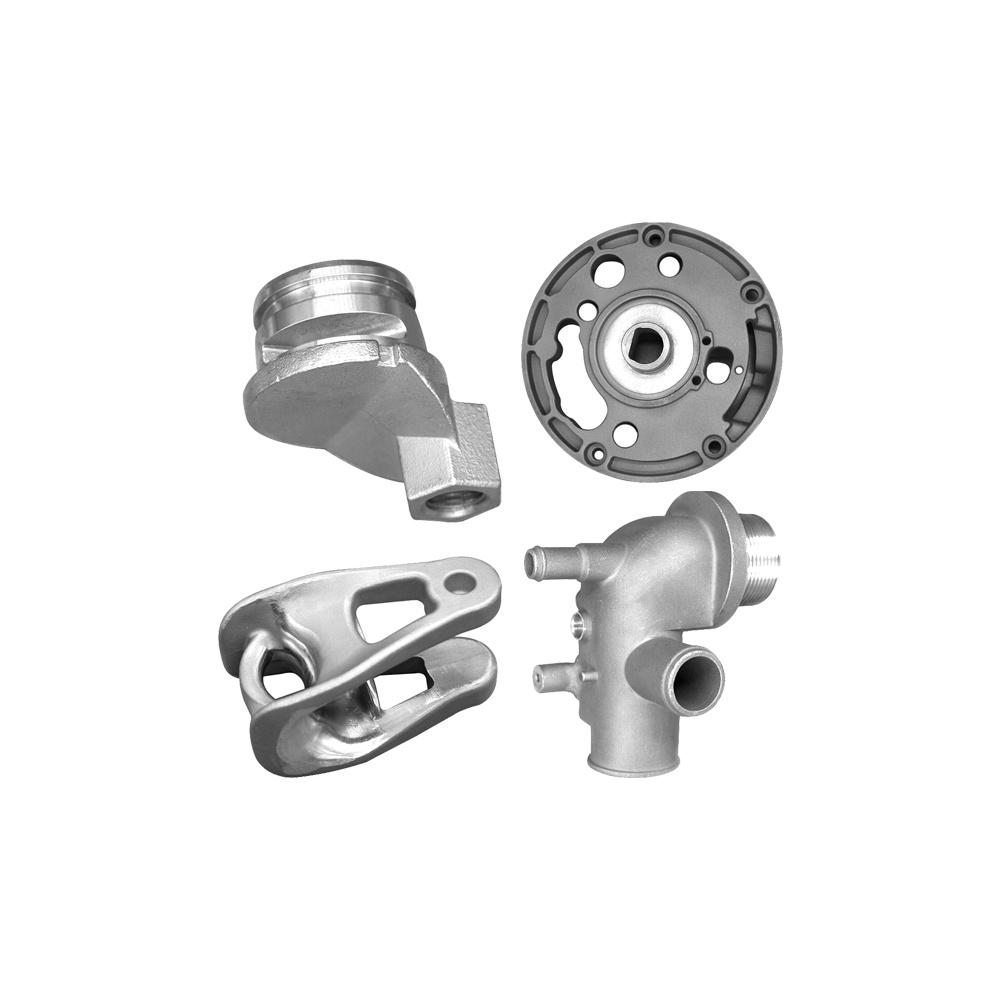
Understanding CNC Turning and Milling Parts: A Comprehensive Guide for Precision Manufacturing
CNC (Computer Numerical Control) turning and milling are essential processes in the realm of precision manufacturing. These techniques are widely employed in the machining industry for producing intricate components that meet strict tolerances and specifications. Understanding the fundamentals of CNC turning and milling parts can enhance your knowledge of how these processes contribute to quality
2025-12-09 12:10
A Comprehensive Guide to Household Appliances Maintenance: Keep Your Home Running Smoothly
A Comprehensive Guide to Household Appliances Maintenance Household appliances are the backbone of modern living, providing convenience and efficiency in our daily routines. However, just like any other mechanical devices, they require regular maintenance to function optimally. In this guide, we will explore various household appliances, their maintenance needs, and practical tips to extend their
Let’s Talk
We can help you figure out your needs.