
 Esperanto
 Shqiptare
 Euskara
 Zulu
Zulu
 Latinus
 Cymraeg
 தமிழ்
தமிழ்
 Slovak
 Slovak
 Afrikaans

Unlocking the Potential of CNC Turning and Milling Parts in Precision Manufacturing
Release time:
2025-06-18
Source:
CNC turning involves rotating a workpiece while a cutting tool shapes it into the desired form. This process is ideal for creating cylindrical parts, such as shafts, bushings, and fittings. On the other hand, CNC milling employs a rotating cutting tool to remove material from a stationary workpiece, allowing manufacturers to produce complex geometries and flat surfaces with high precision. This is particularly useful for parts that require intricate features, such as pockets, grooves, or contours.
One of the primary benefits of CNC turning and milling parts is their ability to achieve tight tolerances. This is crucial in sectors where precision is paramount, such as aerospace, automotive, and medical device manufacturing. The automation of CNC machinery ensures consistent quality and repeatability, significantly reducing the likelihood of errors often associated with manual machining.
Moreover, CNC technology allows for rapid prototyping and production runs. With the capability to switch between different programs and designs with minimal downtime, manufacturers can respond swiftly to changes in demand or design specifications. This flexibility not only enhances efficiency but also reduces lead times, offering a competitive advantage in today’s fast-paced market.
When it comes to material selection, CNC turning and milling can accommodate a wide range of substances, including metals like aluminum, steel, and titanium, as well as plastics and composites. This versatility enables manufacturers to tailor parts to specific applications, ensuring optimal performance in their intended environments.
In terms of applications, CNC turning and milling parts are widely used in various industries. For instance, in the automotive sector, they are essential for creating components like engine blocks, transmission housings, and suspension parts. In aerospace, precision parts are critical for ensuring safety and performance, including brackets, housings, and structural components. Likewise, the medical field relies on CNC machining for producing surgical instruments and implantable devices that demand high precision and quality.
In conclusion, CNC turning and milling parts play an integral role in the manufacturing sector, offering unmatched precision, efficiency, and versatility. By leveraging these advanced machining processes, manufacturers can produce high-quality components tailored to meet the demands of various industries, ultimately driving innovation and success in their respective fields. Understanding the importance and applications of CNC machining is essential for any business looking to thrive in today’s competitive landscape.
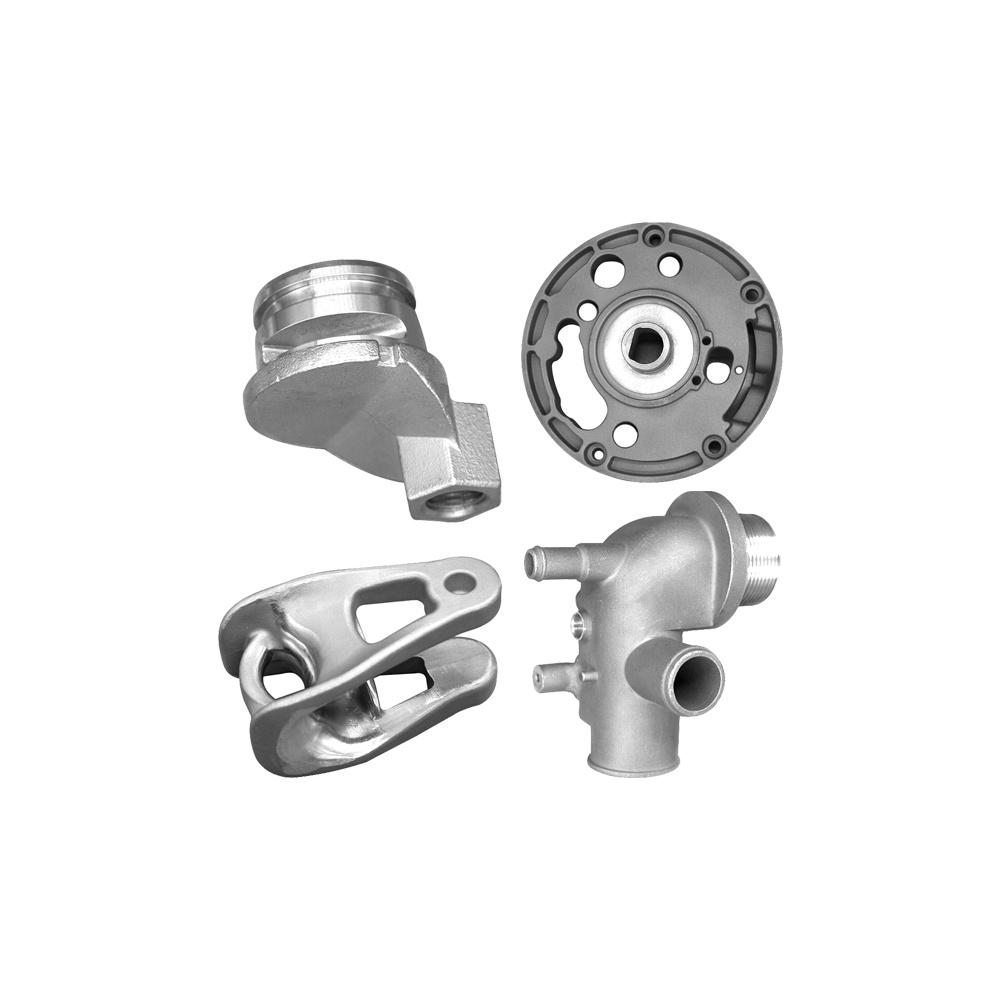
CNC Turning & Milling Part
Related News
2025-12-14 12:00
Understanding CNC Turning and Milling Parts: A Comprehensive Guide for Precision Manufacturing
CNC (Computer Numerical Control) turning and milling are essential processes in the realm of precision manufacturing. These techniques are widely employed in the machining industry for producing intricate components that meet strict tolerances and specifications. Understanding the fundamentals of CNC turning and milling parts can enhance your knowledge of how these processes contribute to quality

2025-12-09 12:10
A Comprehensive Guide to Household Appliances Maintenance: Keep Your Home Running Smoothly
A Comprehensive Guide to Household Appliances Maintenance Household appliances are the backbone of modern living, providing convenience and efficiency in our daily routines. However, just like any other mechanical devices, they require regular maintenance to function optimally. In this guide, we will explore various household appliances, their maintenance needs, and practical tips to extend their
Let’s Talk
We can help you figure out your needs.