
 Esperanto
 Shqiptare
 Euskara
 Zulu
Zulu
 Latinus
 Cymraeg
 தமிழ்
தமிழ்
 Slovak
 Slovak
 Afrikaans

Craftsmanship Meets Technology: Advancements in Sheet Metal Fabrication
Release time:
2025-04-24
Source:
Craftsmanship Meets Technology: Advancements in Sheet Metal Fabrication
Table of Contents
- Introduction to Sheet Metal Fabrication
- Historical Background of Sheet Metal Fabrication
- Traditional Techniques in Sheet Metal Working
- Modern Advancements in Sheet Metal Fabrication
- CNC Machining in Sheet Metal Fabrication
- Laser Cutting Technologies
- The Role of 3D Printing in Fabrication
- Materials Used in Sheet Metal Fabrication
- Applications of Sheet Metal Fabrication
- Challenges in Sheet Metal Fabrication
- Future Trends in Sheet Metal Fabrication
- Conclusion
- FAQs about Sheet Metal Fabrication
Introduction to Sheet Metal Fabrication
Sheet metal fabrication is a critical process in manufacturing, combining the art of craftsmanship with modern technological innovations. This process involves creating metal structures through cutting, bending, and assembling flat sheets of metal. As industries evolve, so do the methodologies employed in sheet metal fabrication, leading to enhanced precision, adaptability, and efficiency. This article aims to explore the advancements that have transformed sheet metal fabrication and how these innovations continue to shape the industry.
Historical Background of Sheet Metal Fabrication
The origins of sheet metal fabrication can be traced back to ancient civilizations. Historically, metalworkers utilized basic tools to shape metals by hand, relying on their skill and experience. Techniques like hammering and forging dominated the industry for centuries. As the Industrial Revolution unfolded, the introduction of machinery significantly increased production capabilities and efficiency. Today, the legacy of craftsmanship remains integral to the process, but it is now augmented by technological advancements that streamline operations and improve outcomes.
Traditional Techniques in Sheet Metal Working
Before diving into the modern advancements, it is essential to understand the traditional techniques that laid the groundwork for contemporary practices. Techniques such as:
- Shearing: This process involves cutting metal sheets into desired shapes and sizes using shears.
- Bending: Bending techniques involve shaping the metal using press brakes, resulting in angles and curves.
- Welding: This joining process uses heat to fuse metal pieces together, ensuring structural integrity.
These methods, while effective, often require significant manual labor and can be time-consuming. The evolution of technology has led to the development of more efficient alternatives, which we will explore in the following sections.
Modern Advancements in Sheet Metal Fabrication
The integration of technology into sheet metal fabrication has resulted in numerous advancements that enhance productivity and precision. These modern techniques have reshaped how manufacturers approach projects, allowing for more complex designs and faster turnaround times.
CNC Machining in Sheet Metal Fabrication
Computer Numerical Control (CNC) machining has revolutionized sheet metal fabrication. This technology uses computers to control machine tools, enabling high precision and repeatability in the manufacturing process. CNC machines can perform various functions:
- Cutting and shaping metal sheets with extreme accuracy.
- Automating the production process, reducing human error.
- Facilitating complex designs that would be challenging to achieve manually.
CNC machining is increasingly favored in industries where precision is critical, such as aerospace, automotive, and electronics.
Laser Cutting Technologies
Laser cutting is another groundbreaking advancement in the field of sheet metal fabrication. Using highly focused laser beams, manufacturers can achieve clean and intricate cuts on various materials. Key advantages of laser cutting include:
- Precision: Laser cutting provides tighter tolerances than traditional cutting methods.
- Versatility: It can cut through a range of materials, including steel, aluminum, and copper.
- Minimal Waste: The precision of laser cutting reduces material waste significantly.
This technology is particularly valuable for businesses seeking to optimize production processes while maintaining high quality.
The Role of 3D Printing in Fabrication
3D printing has made significant inroads into sheet metal fabrication, offering an innovative way to produce complex geometries that traditional methods struggle to achieve. The advantages of 3D printing include:
- Rapid Prototyping: Businesses can quickly create prototypes for testing and evaluation without the need for extensive tooling.
- Customization: 3D printing allows for easier customization of products, catering to specific customer requirements.
- Reduced Lead Times: Creating components directly from digital files can significantly shorten production timelines.
As 3D printing technology continues to advance, its applications in metal fabrication are likely to expand further.
Materials Used in Sheet Metal Fabrication
The choice of materials in sheet metal fabrication is crucial, as it impacts the performance and durability of the final product. Common materials include:
- Steel: Known for its strength and versatility, steel is widely used in various applications.
- Aluminum: Lightweight and resistant to corrosion, aluminum is ideal for applications requiring a lower weight-to-strength ratio.
- Stainless Steel: This material combines strength with resistance to rust and staining, making it suitable for food processing and medical equipment.
- Copper: Valued for its conductivity, copper is often used in electrical applications.
Understanding the properties of these materials is essential for selecting the right one for specific fabrication needs.
Applications of Sheet Metal Fabrication
Sheet metal fabrication has a wide array of applications across numerous industries. Some of the key sectors utilizing sheet metal fabrication include:
- Aerospace: Components such as fuselages and wing structures require high precision and reliability.
- Automotive: Fabricated parts are crucial for vehicle structure, safety, and aesthetics.
- Construction: Architectural elements, roofing, and cladding often incorporate sheet metal for both functionality and visual appeal.
- Electronics: Housing for electronic devices frequently relies on custom sheet metal fabrication.
The versatility of sheet metal fabrication enables it to meet the demands of diverse applications while maintaining high standards of quality.
Challenges in Sheet Metal Fabrication
Despite its advancements, the sheet metal fabrication industry faces several challenges, such as:
- Material Costs: Fluctuating prices for raw materials can impact production budgets and profitability.
- Skilled Labor Shortages: As technology advances, the need for skilled labor that can operate modern equipment becomes increasingly critical.
- Technological Adaptation: Keeping up with fast-paced technological changes requires continuous investment and training.
Addressing these challenges is vital for companies aiming to maintain competitiveness in the market.
Future Trends in Sheet Metal Fabrication
The future of sheet metal fabrication looks bright, driven by ongoing technological advancements and industry demands. Some trends to watch include:
- Increased Automation: Automation will continue to play a pivotal role in enhancing productivity and reducing labor costs.
- Sustainability Practices: The push for eco-friendly manufacturing processes will drive innovation in material usage and waste reduction.
- Smart Manufacturing: The integration of the Internet of Things (IoT) and data analytics will enable real-time monitoring and optimization of production processes.
Companies embracing these trends will be better positioned to adapt to the evolving landscape of the manufacturing sector.
Conclusion
The intersection of craftsmanship and technology in sheet metal fabrication has unlocked unprecedented possibilities for manufacturers. By leveraging modern advancements such as CNC machining, laser cutting, and 3D printing, the industry can achieve higher precision, efficiency, and flexibility. As we look to the future, the continued integration of innovative practices will further enhance the capabilities of sheet metal fabrication, ensuring it remains a vital component of manufacturing across various sectors.
FAQs about Sheet Metal Fabrication
1. What is sheet metal fabrication?
Sheet metal fabrication is the process of creating metal structures by cutting, bending, and assembling flat sheets of metal into desired shapes and forms.
2. What technologies are used in sheet metal fabrication?
Modern sheet metal fabrication utilizes various technologies, including CNC machining, laser cutting, and 3D printing, to enhance precision and efficiency.
3. What materials are commonly used in sheet metal fabrication?
Common materials include steel, aluminum, stainless steel, and copper, each chosen for their specific properties suitable for different applications.
4. What industries rely on sheet metal fabrication?
Industries such as aerospace, automotive, construction, and electronics rely heavily on sheet metal fabrication for producing various components and structures.
5. What are the main challenges facing the sheet metal fabrication industry?
Key challenges include rising material costs, skilled labor shortages, and the need to adapt to rapidly changing technology.
Sheet Metal Fabrication
Related News
2025-12-14 12:00
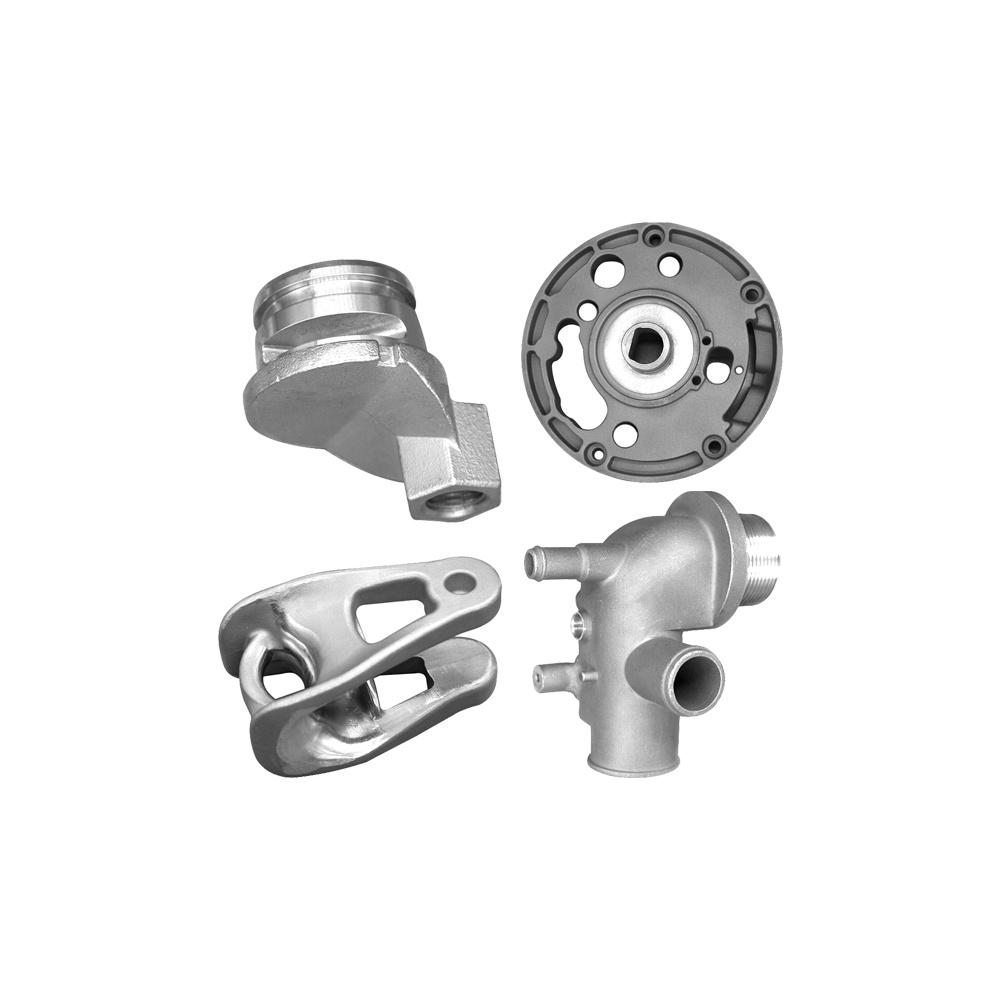
Understanding CNC Turning and Milling Parts: A Comprehensive Guide for Precision Manufacturing
CNC (Computer Numerical Control) turning and milling are essential processes in the realm of precision manufacturing. These techniques are widely employed in the machining industry for producing intricate components that meet strict tolerances and specifications. Understanding the fundamentals of CNC turning and milling parts can enhance your knowledge of how these processes contribute to quality
2025-12-09 12:10
A Comprehensive Guide to Household Appliances Maintenance: Keep Your Home Running Smoothly
A Comprehensive Guide to Household Appliances Maintenance Household appliances are the backbone of modern living, providing convenience and efficiency in our daily routines. However, just like any other mechanical devices, they require regular maintenance to function optimally. In this guide, we will explore various household appliances, their maintenance needs, and practical tips to extend their
Let’s Talk
We can help you figure out your needs.