
 Esperanto
 Shqiptare
 Euskara
 Zulu
Zulu
 Latinus
 Cymraeg
 தமிழ்
தமிழ்
 Slovak
 Slovak
 Afrikaans

Understanding Orthopaedics Fittings: Key Components in Medical Devices
Release time:
2025-04-09
Source:
Primarily, orthopaedics fittings encompass a wide range of items that provide support, alignment, and stabilization to the musculoskeletal system. Common types include screws, plates, rods, and connectors, all of which are essential in maintaining the structural integrity of orthopaedic devices. These fittings must exhibit a combination of strength, durability, and biocompatibility, ensuring they perform well within the human body without adverse reactions.
The materials used in orthopaedics fittings have evolved over the years. Traditionally, stainless steel and titanium were the dominant choices due to their strength and resistance to corrosion. However, advances in materials science have introduced new options, such as biocompatible polymers and composite materials, which offer lightweight solutions while maintaining strength. This evolution not only improves patient comfort but also enhances the overall effectiveness of the devices.
Moreover, the design of orthopaedics fittings has progressed, influenced by innovations in 3D printing and computer-aided design (CAD). These technologies allow for the creation of highly customized fittings tailored to the specific anatomical requirements of patients, thereby improving surgical outcomes and facilitating smoother recovery processes. Customized fittings can lead to better alignment and stabilization of fractures, joint replacements, and other surgical interventions.
In addition to the physical properties and design aspects, the regulatory landscape surrounding orthopaedics fittings is crucial for professionals in the medical device industry. Compliance with international standards and regulations must be considered throughout the development process. This ensures that the products not only meet safety and efficacy requirements but also gain acceptance in various markets.
Ultimately, understanding the significance of orthopaedics fittings is essential for healthcare professionals involved in the design, manufacture, and application of medical devices. As technology continues to advance, staying informed about the latest materials and design innovations will empower professionals to enhance patient care and outcomes in orthopaedics. Emphasizing the importance of these fittings in developing effective solutions underscores their vital role in the future of medical devices.
Orthopaedics Fittings
Related News
2025-12-14 12:00
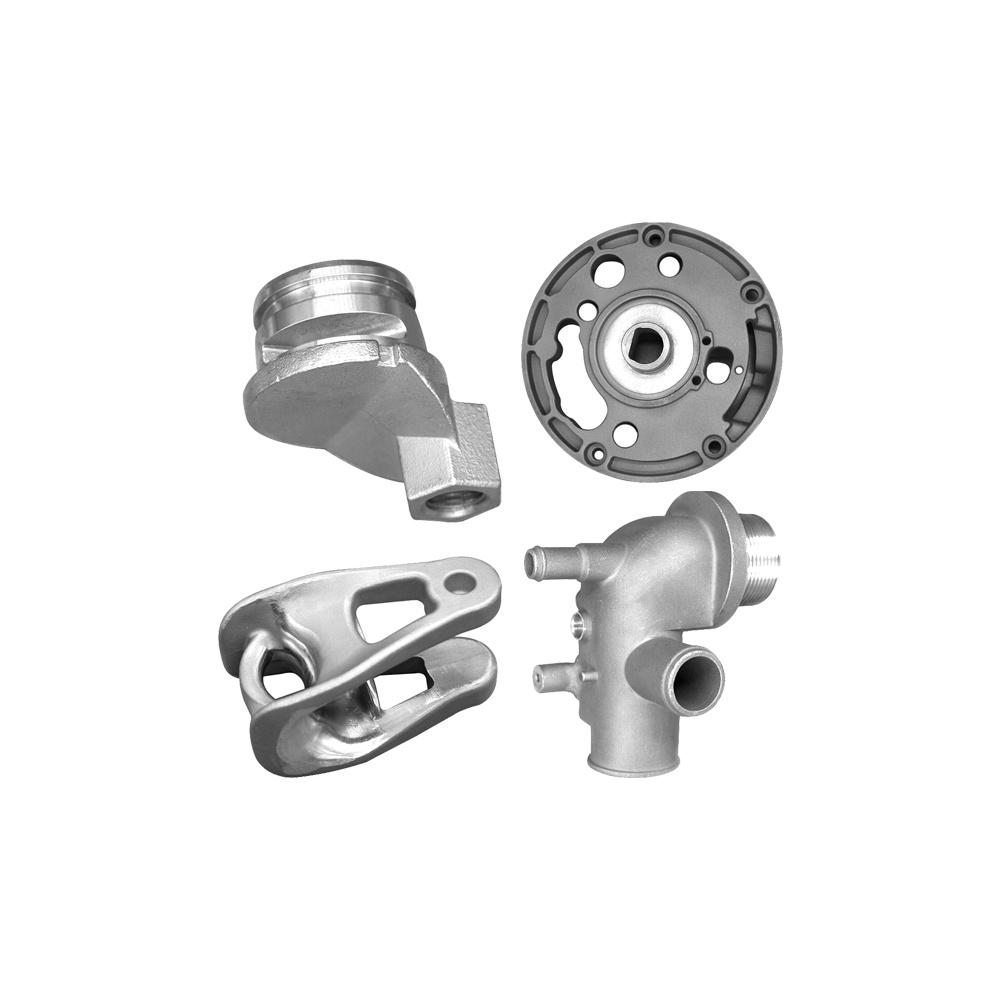
Understanding CNC Turning and Milling Parts: A Comprehensive Guide for Precision Manufacturing
CNC (Computer Numerical Control) turning and milling are essential processes in the realm of precision manufacturing. These techniques are widely employed in the machining industry for producing intricate components that meet strict tolerances and specifications. Understanding the fundamentals of CNC turning and milling parts can enhance your knowledge of how these processes contribute to quality
2025-12-09 12:10
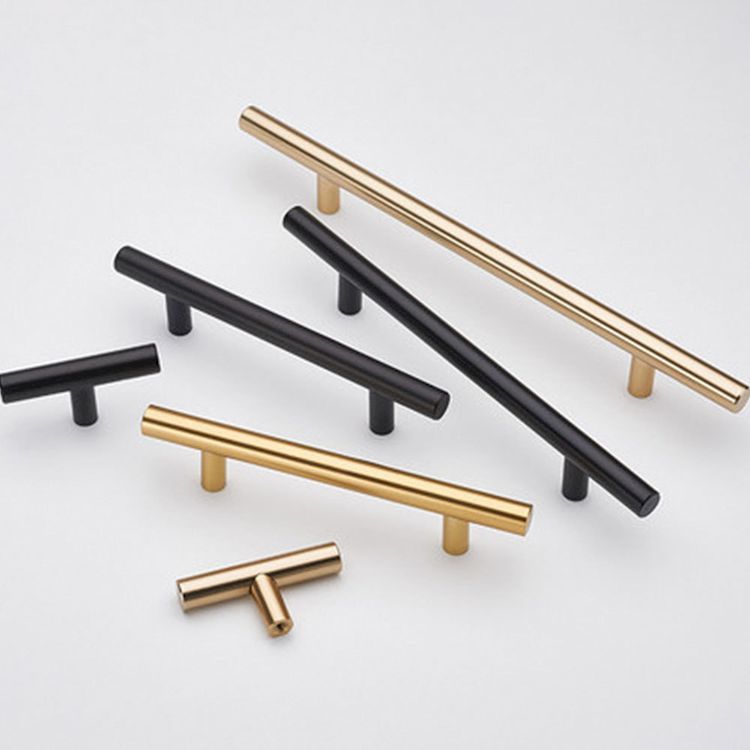
A Comprehensive Guide to Household Appliances Maintenance: Keep Your Home Running Smoothly
A Comprehensive Guide to Household Appliances Maintenance Household appliances are the backbone of modern living, providing convenience and efficiency in our daily routines. However, just like any other mechanical devices, they require regular maintenance to function optimally. In this guide, we will explore various household appliances, their maintenance needs, and practical tips to extend their
Let’s Talk
We can help you figure out your needs.