
 Esperanto
 Shqiptare
 Euskara
 Zulu
Zulu
 Latinus
 Cymraeg
 தமிழ்
தமிழ்
 Slovak
 Slovak
 Afrikaans

Supporting Your Journey: Orthopaedics Fittings That Adapt to Your Needs
Release time:
2025-03-25
Source:
Supporting Your Journey: Orthopaedics Fittings That Adapt to Your Needs
Table of Contents
1. Introduction to Orthopaedic Fittings
2. Importance of Customization in Orthopaedics
2.1 Understanding Individual Needs
2.2 Benefits of Customized Orthopaedic Devices
3. Types of Orthopaedic Fittings
3.1 Braces and Supports
3.2 Prosthetic Devices
3.3 Orthotic Insoles and Footwear
4. Latest Innovations in Orthopaedic Technology
4.1 3D Printing in Orthopaedics
4.2 Smart Orthotic Devices
5. How to Choose the Right Orthopaedic Fitting
5.1 Consult with Professionals
5.2 Personal Factors to Consider
6. Frequently Asked Questions (FAQs)
7. Conclusion
1. Introduction to Orthopaedic Fittings
Orthopaedic fittings play a vital role in improving the quality of life for individuals experiencing musculoskeletal issues. These fittings, which include braces, prosthetics, and orthotics, are designed not only to support recovery but also to enhance mobility. Understanding the significance of these devices is crucial for anyone facing physical challenges, be it due to injury, surgery, or chronic conditions.
2. Importance of Customization in Orthopaedics
When it comes to orthopaedic fittings, one size definitely does not fit all. Customization is a key factor in ensuring that these devices effectively meet the specific needs of each individual.
2.1 Understanding Individual Needs
Different patients have varying requirements based on factors such as the nature of their injury, their lifestyle, and their personal preferences. Custom orthopaedic fittings take these elements into account, allowing for a tailored approach to treatment and support.
2.2 Benefits of Customized Orthopaedic Devices
Customized orthopaedic fittings offer numerous benefits, including enhanced comfort, improved functionality, and increased adherence to rehabilitation protocols. Moreover, personalized devices can help prevent secondary complications, such as further injuries or chronic pain, by providing the appropriate level of support where it's needed most.
3. Types of Orthopaedic Fittings
Understanding the types of orthopaedic fittings available can help you make informed decisions about your health.
3.1 Braces and Supports
Braces and supports are commonly used to stabilize, immobilize, or protect joints and muscles. They can be particularly beneficial for those recovering from injury or surgery, as they help prevent further damage while promoting healing. Options range from soft braces, which provide gentle support, to rigid braces, which offer maximum stability.
3.2 Prosthetic Devices
Prosthetics are designed to replace missing limbs or body parts, providing users with the ability to regain functionality. Advances in technology have led to the development of highly sophisticated prosthetic devices that are often customized to fit the individual’s unique anatomy and lifestyle needs.
3.3 Orthotic Insoles and Footwear
Foot health is paramount for overall mobility, and orthotic insoles can greatly improve comfort and support. These devices are designed to align the foot properly, redistribute pressure, and provide cushioning. Custom-made orthotic footwear can be particularly beneficial for individuals with specific foot conditions, such as plantar fasciitis or diabetes-related issues.
4. Latest Innovations in Orthopaedic Technology
The field of orthopaedics is continuously evolving, with new technologies emerging that enhance the effectiveness of fittings.
4.1 3D Printing in Orthopaedics
3D printing technology has revolutionized the way orthopaedic fittings are created. It allows for the production of bespoke devices tailored to the anatomical specifications of each patient, resulting in a perfect fit. This technology also reduces production time and costs, making customized fittings more accessible to patients.
4.2 Smart Orthotic Devices
Smart orthotic devices equipped with sensors and monitoring capabilities are becoming increasingly popular. These devices can track movement, assess performance, and provide real-time feedback to users and healthcare providers. This data can be invaluable in adjusting treatment plans and enhancing rehabilitation efforts.
5. How to Choose the Right Orthopaedic Fitting
Selecting the appropriate orthopaedic fitting is critical to achieving optimal results. Here are key considerations.
5.1 Consult with Professionals
Before making a decision, it’s essential to consult with healthcare professionals, including orthopaedic surgeons, physiotherapists, and certified orthotists. They can provide valuable insights into which type of fitting might be best suited for your situation and ensure that you receive the correct level of support.
5.2 Personal Factors to Consider
Personal factors such as lifestyle, activity level, and specific medical conditions should be taken into account when choosing an orthopaedic fitting. For instance, an active individual may require a more robust device compared to someone with a sedentary lifestyle. Additionally, comfort and fit should never be overlooked, as these factors directly impact adherence and effectiveness.
6. Frequently Asked Questions (FAQs)
1. What are orthopaedic fittings?
Orthopaedic fittings are devices designed to support, align, or replace parts of the musculoskeletal system, including braces, prosthetics, and orthotic insoles.
2. How do I know if I need an orthopaedic fitting?
If you experience pain, instability, or reduced mobility due to injury, surgery, or chronic conditions, consulting a healthcare professional can help determine if an orthopaedic fitting is necessary.
3. Are customized orthopaedic fittings better than off-the-shelf options?
Customized orthopaedic fittings are tailored to the individual’s needs and anatomy, often resulting in better comfort, support, and overall effectiveness compared to standardized options.
4. How long does it take to receive a custom orthopaedic fitting?
The timeline for receiving a custom orthopaedic fitting can vary depending on the type of device and the complexity of the customization. Generally, it may take several weeks from the initial consultation to the fitting stage.
5. Can I wear my orthopaedic fitting while exercising?
Many orthopaedic fittings are designed to be worn during physical activity. However, it’s essential to consult with your healthcare provider to ensure you have the appropriate device for your level of activity.
7. Conclusion
Supporting your journey with orthopaedic fittings that adapt to your needs is a crucial step towards improving your mobility and quality of life. By understanding the types of devices available, the importance of customization, and the latest advancements in technology, you can make informed decisions about your health. Remember, consulting with healthcare professionals is vital in selecting the right orthopaedic fitting tailored to your unique needs. Embrace the journey of recovery and reclaim your active lifestyle with confidence.
Orthopaedics Fittings
Related News
2025-12-14 12:00
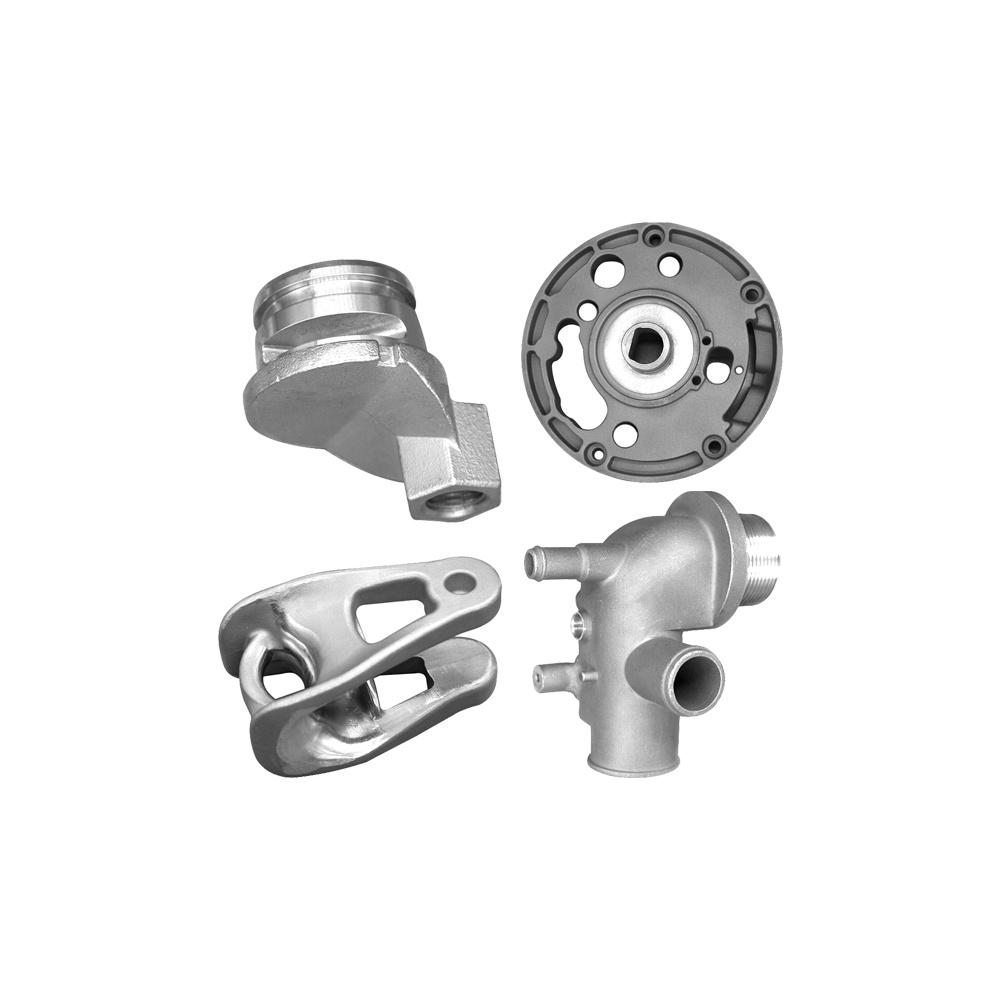
Understanding CNC Turning and Milling Parts: A Comprehensive Guide for Precision Manufacturing
CNC (Computer Numerical Control) turning and milling are essential processes in the realm of precision manufacturing. These techniques are widely employed in the machining industry for producing intricate components that meet strict tolerances and specifications. Understanding the fundamentals of CNC turning and milling parts can enhance your knowledge of how these processes contribute to quality
2025-12-09 12:10
A Comprehensive Guide to Household Appliances Maintenance: Keep Your Home Running Smoothly
A Comprehensive Guide to Household Appliances Maintenance Household appliances are the backbone of modern living, providing convenience and efficiency in our daily routines. However, just like any other mechanical devices, they require regular maintenance to function optimally. In this guide, we will explore various household appliances, their maintenance needs, and practical tips to extend their
Let’s Talk
We can help you figure out your needs.