
 Esperanto
 Shqiptare
 Euskara
 Zulu
Zulu
 Latinus
 Cymraeg
 தமிழ்
தமிழ்
 Slovak
 Slovak
 Afrikaans

Efficiency and Precision: The Hallmarks of Quality Dental Instruments
Release time:
2025-03-15
Source:
Efficiency and Precision: The Hallmarks of Quality Dental Instruments
Table of Contents
- 1. Introduction to Quality Dental Instruments
- 2. The Importance of Efficiency in Dental Instruments
- 3. Understanding Precision in Dentistry
- 4. Key Features of Quality Dental Instruments
- 5. Materials Used in Dental Instrument Manufacturing
- 6. Technological Advancements in Dental Instruments
- 7. Proper Maintenance for Longevity and Performance
- 8. Conclusion: Investing in Quality Dental Instruments
- 9. Frequently Asked Questions
1. Introduction to Quality Dental Instruments
In the field of dentistry, the tools and instruments used can significantly influence the quality of care provided to patients. **Efficiency** and **precision** are the cornerstones of effective dental practice. Quality dental instruments not only improve the workflow for dental professionals but also enhance patient satisfaction and outcomes. This article explores the essence of efficiency and precision in dental instruments, focusing on their features, benefits, and advancements in technology that contribute to their quality.
2. The Importance of Efficiency in Dental Instruments
Efficiency in dental instruments relates to how well these tools perform their intended functions while minimizing time and effort. Dental procedures often involve multiple steps, and the use of efficient instruments can streamline these processes. This can lead to shorter appointment times, reduced patient anxiety, and enhanced overall productivity.
**Key benefits of efficient dental instruments** include:
- **Time Management:** Instruments designed for efficient use allow dental professionals to complete procedures quickly without compromising quality.
- **Reduced Fatigue:** Ergonomically designed instruments minimize strain on the dentist's hands and wrists, allowing for longer, more comfortable procedures.
- **Enhanced Workflow:** Efficient tools facilitate a smoother workflow, enabling dental teams to provide better patient care and manage appointments effectively.
3. Understanding Precision in Dentistry
Precision in dental instruments ensures that procedures are performed accurately with minimal risk of error. High-quality instruments are manufactured to meet strict tolerances and specifications, which is crucial for achieving the desired clinical outcomes.
**The significance of precision in dental practices** includes:
- **Minimized Errors:** Precise instruments help reduce the likelihood of mistakes, which is vital in procedures such as restorations and extractions.
- **Improved Patient Safety:** Accurate instruments contribute to increased safety for patients, minimizing complications during and after procedures.
- **Enhanced Aesthetics:** In cosmetic dentistry, precision instruments ensure that restorations and enhancements blend seamlessly with the natural dentition.
4. Key Features of Quality Dental Instruments
When evaluating dental instruments, several key features indicate their quality and effectiveness:
4.1 Ergonomic Design
An ergonomic design enhances comfort and usability, allowing dental professionals to work more efficiently for extended periods. Instruments with comfortable grips reduce hand fatigue and improve control during procedures.
4.2 Durability
Quality dental instruments should withstand the rigors of daily use. Durable materials and construction methods ensure longevity, ultimately providing better value for investment.
4.3 Sharpness and Precision Edges
For cutting and shaping instruments, sharpness is paramount. Quality dental tools maintain their sharpness longer, allowing for clean cuts and reducing the need for frequent replacements.
4.4 Versatility
Many dental instruments are designed for specific tasks; however, versatile tools that can perform multiple functions can increase efficiency and reduce the number of instruments required.
5. Materials Used in Dental Instrument Manufacturing
The materials used in the manufacturing of dental instruments play a critical role in their performance and longevity.
5.1 Stainless Steel
Stainless steel is a common choice due to its resistance to corrosion, ease of sterilization, and strength. Instruments made from high-quality stainless steel can withstand demanding conditions while maintaining sharpness.
5.2 Titanium
Titanium instruments are increasingly popular due to their lightweight nature and superior strength. They are less likely to corrode and are biocompatible, making them an excellent choice for sensitive dental procedures.
5.3 Composite Materials
Some modern dental instruments utilize composite materials that offer unique benefits such as reduced weight and enhanced grip without compromising strength.
6. Technological Advancements in Dental Instruments
The dental industry is continuously evolving, with technological advances enhancing the efficiency and precision of dental instruments.
6.1 Digital Technologies
Digital technologies, including computer-aided design (CAD) and computer-aided manufacturing (CAM), allow for the precise fabrication of dental tools. These technologies ensure that instruments meet specific design parameters, resulting in improved accuracy.
6.2 Smart Instruments
Emerging smart technologies are being integrated into dental instruments, providing real-time feedback to practitioners. These innovations can monitor performance and alert users to potential issues, enhancing safety and efficacy.
6.3 Advanced Sterilization Techniques
With ongoing advancements in sterilization techniques, dental instruments can be effectively sanitized, ensuring patient safety while maintaining instrument quality.
7. Proper Maintenance for Longevity and Performance
To ensure the longevity and reliability of dental instruments, proper maintenance is essential.
7.1 Regular Cleaning
Instruments should be cleaned thoroughly after each use to prevent contamination and maintain their performance. Following manufacturer guidelines for cleaning is crucial.
7.2 Routine Inspections
Regular inspections can help identify wear and tear on instruments, allowing for timely repairs or replacements.
7.3 Proper Storage
Storing dental instruments in a dry, protected environment helps prevent damage and extends their lifespan. Using instrument trays and holders can also help maintain organization and accessibility.
8. Conclusion: Investing in Quality Dental Instruments
In the world of dentistry, the adage "you get what you pay for" rings particularly true when it comes to instruments. Investing in high-quality dental instruments that prioritize efficiency and precision is not just an investment in tools but an investment in better patient care and improved treatment outcomes. As technology continues to evolve, staying informed about the latest advancements will empower dental practitioners to make educated decisions about their tools, ultimately enhancing their practice and patient experience.
9. Frequently Asked Questions
9.1 What should I look for in quality dental instruments?
When evaluating dental instruments, consider their design, durability, sharpness, and versatility. Instruments with ergonomic features and made from high-quality materials are ideal.
9.2 How can I ensure that my dental instruments remain effective?
Regular cleaning, routine inspections, and proper storage are key to maintaining the effectiveness and longevity of dental instruments.
9.3 Are there specific materials that are better for dental instruments?
Stainless steel and titanium are popular choices for their durability, corrosion resistance, and biocompatibility, making them suitable for various dental procedures.
9.4 How have technological advancements impacted dental instruments?
Technological advancements such as CAD/CAM technologies and smart instruments enhance the precision and efficiency of dental tools, improving patient outcomes.
9.5 Why is precision so important in dental procedures?
Precision minimizes the risk of errors, enhances patient safety, and improves the aesthetic outcomes of dental restorations and procedures.
By prioritizing efficiency and precision in dental instruments, practitioners can ensure they deliver the best possible care to their patients, ultimately leading to improved satisfaction and outcomes.
Dental Instruments
Related News
2025-12-14 12:00
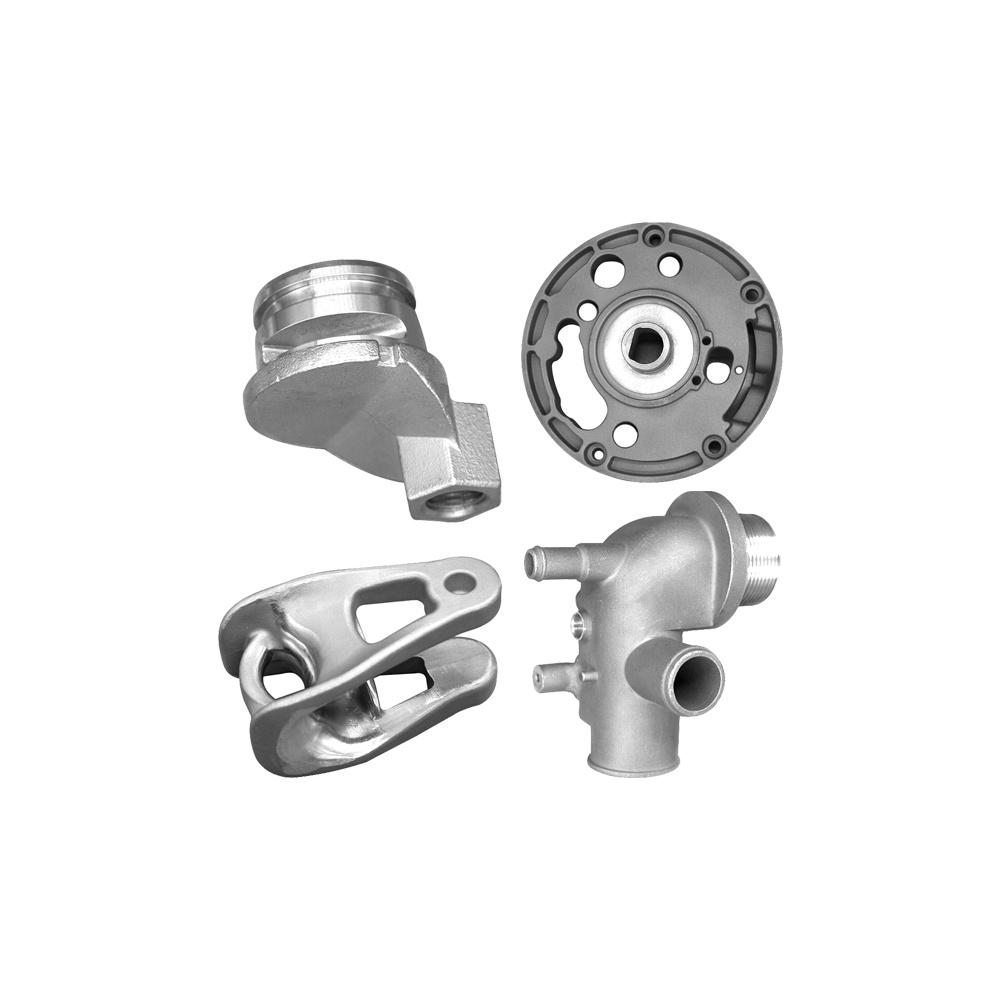
Understanding CNC Turning and Milling Parts: A Comprehensive Guide for Precision Manufacturing
CNC (Computer Numerical Control) turning and milling are essential processes in the realm of precision manufacturing. These techniques are widely employed in the machining industry for producing intricate components that meet strict tolerances and specifications. Understanding the fundamentals of CNC turning and milling parts can enhance your knowledge of how these processes contribute to quality
2025-12-09 12:10
A Comprehensive Guide to Household Appliances Maintenance: Keep Your Home Running Smoothly
A Comprehensive Guide to Household Appliances Maintenance Household appliances are the backbone of modern living, providing convenience and efficiency in our daily routines. However, just like any other mechanical devices, they require regular maintenance to function optimally. In this guide, we will explore various household appliances, their maintenance needs, and practical tips to extend their
Let’s Talk
We can help you figure out your needs.