
 Esperanto
 Shqiptare
 Euskara
 Zulu
Zulu
 Latinus
 Cymraeg
 தமிழ்
தமிழ்
 Slovak
 Slovak
 Afrikaans

Understanding Bushings and Rings: Essential Components for Industrial Equipment
Release time:
2025-01-29
Source:
**What are Bushings and Rings?**
Bushings are cylindrical linings that fit into a housing or a component and provide a smooth surface for shafts to rotate or slide against. They are often made from materials designed to withstand high levels of stress and wear, such as bronze, plastic, or composite materials. Rings, on the other hand, are typically used to secure components, provide a sealing function, or serve as guides for moving parts. Together, bushings and rings contribute to the overall reliability and performance of machinery.
**Functions and Benefits**
The primary function of bushings is to minimize friction between moving parts. By providing a low-friction surface, they help to reduce wear on shafts and bearings, extending the lifespan of your equipment. Furthermore, bushings can compensate for slight misalignments, allowing for smoother operation and reducing the risk of mechanical failure.
Rings serve multiple purposes in machinery. They can act as retaining elements, keeping components securely in place, or as seals to prevent contaminants from entering critical areas. This protective function is vital in maintaining the integrity of machinery, especially in harsh industrial environments where dust, dirt, and moisture can cause damage.
**Types of Bushings and Rings**
Different types of bushings include plain, flanged, and self-lubricating bushings, each suited for specific applications. Plain bushings are the simplest form and are commonly used in applications where space is limited. Flanged bushings provide additional support and alignment, making them ideal for higher-load scenarios. Self-lubricating options are excellent for environments where regular maintenance is challenging, as they come with built-in lubrication.
Similarly, rings come in various designs, such as retaining rings and O-rings, each designed for specific functions. Retaining rings are used to secure components within a housing, while O-rings provide sealing solutions that prevent leaks in hydraulic and pneumatic systems.
**Maintenance Considerations**
To ensure optimal performance, regular inspection and maintenance of bushings and rings are essential. Check for signs of wear, misalignment, or damage, and replace components as necessary. Proper lubrication and alignment can also enhance the efficiency of these components, prolonging their life and improving overall equipment reliability.
In summary, bushings and rings are integral to machinery operation within the industrial sector. Understanding their functions, benefits, and maintenance requirements can lead to improved equipment performance and longevity. By implementing best practices in the use of these components, businesses can ensure that their operations run smoothly and efficiently.
Bushings and Rings
Related News
2025-12-14 12:00
Understanding CNC Turning and Milling Parts: A Comprehensive Guide for Precision Manufacturing
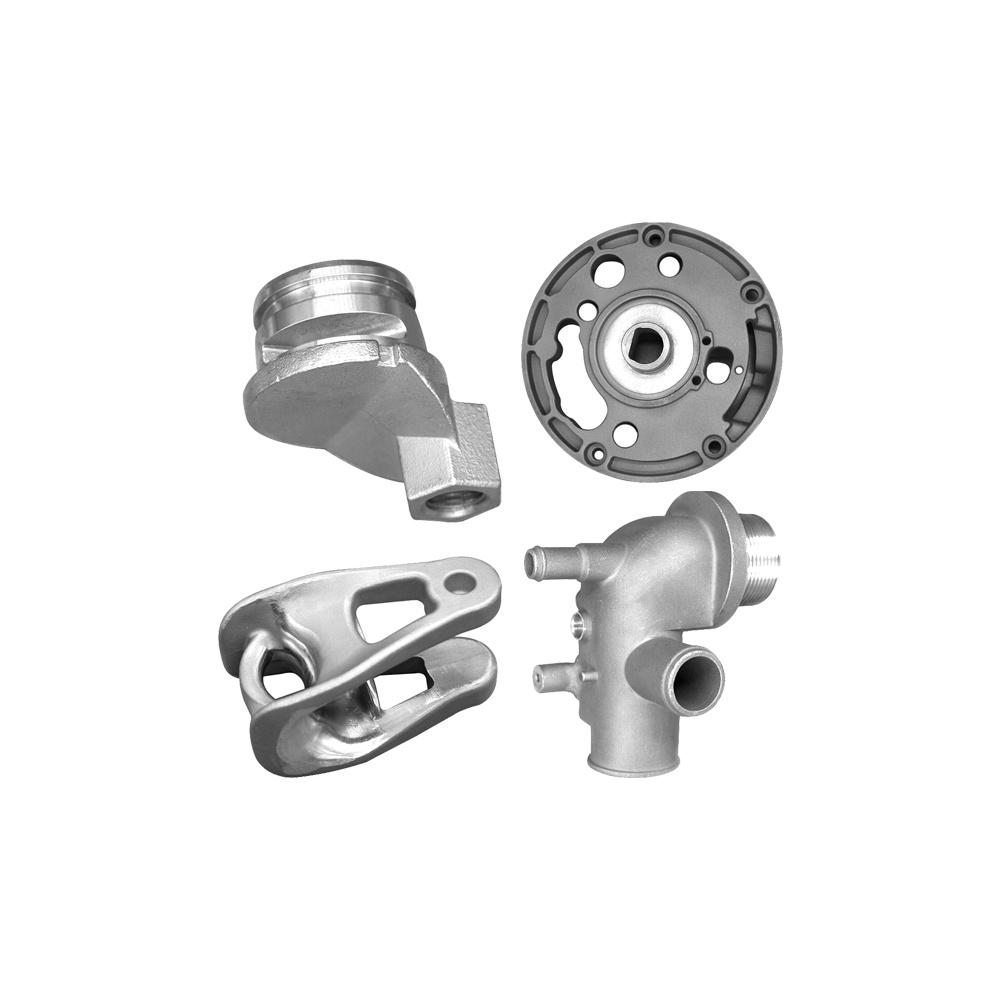
CNC (Computer Numerical Control) turning and milling are essential processes in the realm of precision manufacturing. These techniques are widely employed in the machining industry for producing intricate components that meet strict tolerances and specifications. Understanding the fundamentals of CNC turning and milling parts can enhance your knowledge of how these processes contribute to quality
2025-12-09 12:10
A Comprehensive Guide to Household Appliances Maintenance: Keep Your Home Running Smoothly
A Comprehensive Guide to Household Appliances Maintenance Household appliances are the backbone of modern living, providing convenience and efficiency in our daily routines. However, just like any other mechanical devices, they require regular maintenance to function optimally. In this guide, we will explore various household appliances, their maintenance needs, and practical tips to extend their
Let’s Talk
We can help you figure out your needs.