
 Esperanto
 Shqiptare
 Euskara
 Zulu
Zulu
 Latinus
 Cymraeg
 தமிழ்
தமிழ்
 Slovak
 Slovak
 Afrikaans

A Comprehensive Guide to Screws and Nuts in Industrial Applications
Release time:
2024-12-20
Source:
### Types of Screws and Nuts
Screws come in a myriad of designs, each tailored for specific applications. Common types include:
1. **Machine Screws**: Used with a nut or tapped hole, they are ideal for fastening metal parts.
2. **Wood Screws**: Designed for wood applications, they feature a tapered body for easier penetration.
3. **Self-Tapping Screws**: These screws create their own hole as they are driven in, eliminating the need for pre-drilling.
4. **Sheet Metal Screws**: Specifically designed for fastening metal sheets, they have sharp threads for effective grip.
Nuts also come in various designs to complement different screws. The most commonly used nuts include:
1. **Hex Nuts**: The most prevalent type, hex nuts are used in conjunction with machine screws and bolts.
2. **Lock Nuts**: Designed to resist loosening due to vibrations, lock nuts are essential in high-stress environments.
3. **Wing Nuts**: Featuring two "wings," these nuts can be tightened by hand, making them convenient for applications requiring frequent adjustments.
### Selecting the Right Fasteners
Choosing the correct screws and nuts is critical for ensuring optimal performance in industrial applications. Here are some key considerations:
- **Material**: Select screws and nuts made from materials compatible with the environment they will be used in. For instance, stainless steel is ideal for corrosive environments, while carbon steel is suited for dry conditions.
- **Size**: Proper sizing is crucial to ensure a secure fit. Always refer to industry standards for the appropriate dimensions for your application.
- **Thread Type**: Understanding the difference between coarse and fine threads can influence the strength of the connection. Coarse threads provide greater holding power in softer materials, while fine threads allow for more precise adjustments.
### Conclusion
In conclusion, screws and nuts are indispensable fasteners in the industrial equipment and components sector. By understanding the various types of screws and nuts available, along with key selection criteria, you can make informed decisions that enhance the durability and effectiveness of your projects. Always consider the specific needs of your application to ensure that you choose the right fasteners, as this will ultimately contribute to the overall success of your operations.
Screws and Nuts
Related News
2025-12-14 12:00
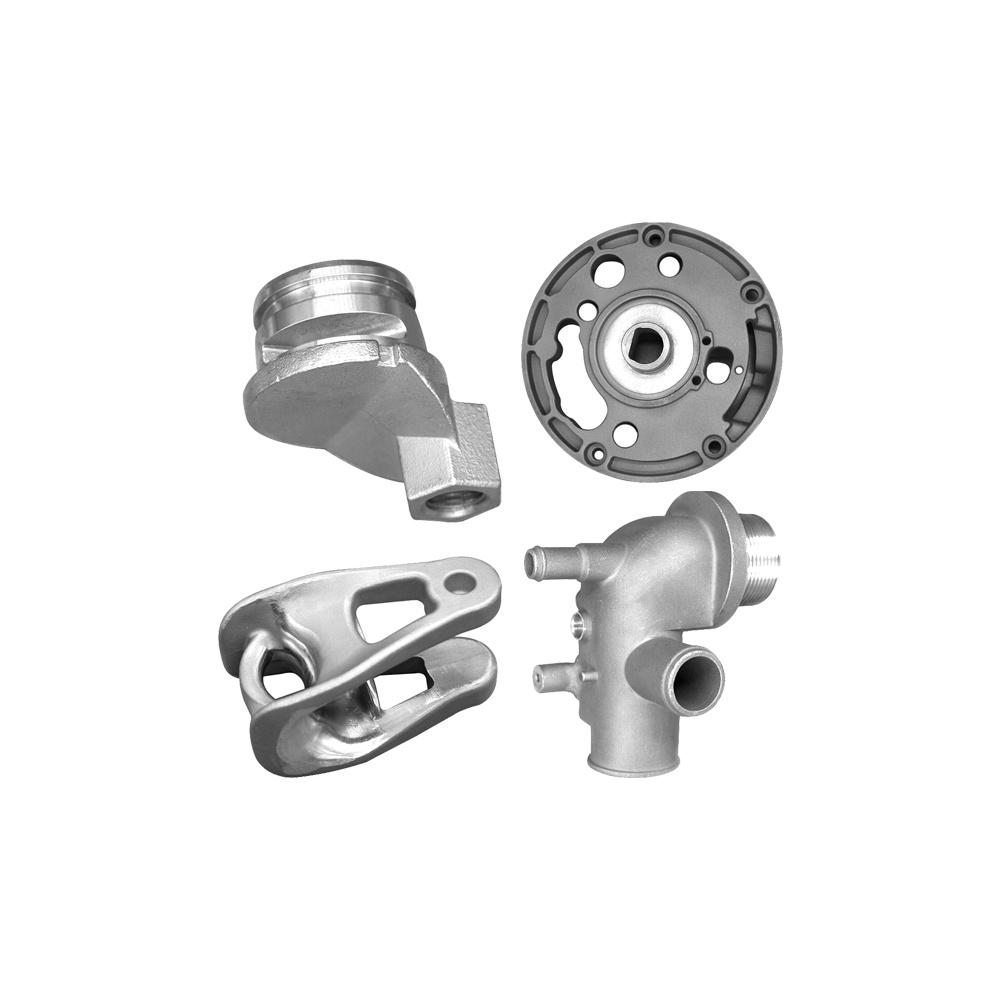
Understanding CNC Turning and Milling Parts: A Comprehensive Guide for Precision Manufacturing
CNC (Computer Numerical Control) turning and milling are essential processes in the realm of precision manufacturing. These techniques are widely employed in the machining industry for producing intricate components that meet strict tolerances and specifications. Understanding the fundamentals of CNC turning and milling parts can enhance your knowledge of how these processes contribute to quality
2025-12-09 12:10
A Comprehensive Guide to Household Appliances Maintenance: Keep Your Home Running Smoothly
A Comprehensive Guide to Household Appliances Maintenance Household appliances are the backbone of modern living, providing convenience and efficiency in our daily routines. However, just like any other mechanical devices, they require regular maintenance to function optimally. In this guide, we will explore various household appliances, their maintenance needs, and practical tips to extend their
Let’s Talk
We can help you figure out your needs.