
 Esperanto
 Shqiptare
 Euskara
 Zulu
Zulu
 Latinus
 Cymraeg
 தமிழ்
தமிழ்
 Slovak
 Slovak
 Afrikaans

Elevate Your Performance: Orthopaedics Fittings for Peak Results
Release time:
2024-11-07
Source:
Elevate Your Performance: Orthopaedics Fittings for Peak Results
Table of Contents
1. Understanding Orthopaedics and Its Importance
2. The Role of Orthopaedic Fittings in Enhancing Performance
3. Types of Orthopaedic Fittings
3.1. Custom Orthotics
3.2. Braces and Supports
3.3. Compression Garments
3.4. Prosthetics in Orthopaedics
4. How to Choose the Right Orthopaedic Fitting
5. The Benefits of Using Orthopaedic Fittings
5.1. Injury Prevention
5.2. Improved Performance
5.3. Enhanced Recovery
6. Innovations in Orthopaedic Technology
7. Frequently Asked Questions about Orthopaedic Fittings
8. Conclusion: Achieve Peak Performance with the Right Orthopaedic Support
1. Understanding Orthopaedics and Its Importance
Orthopaedics is a branch of medicine focused on diagnosing and treating conditions related to the musculoskeletal system, which includes bones, joints, ligaments, tendons, and muscles. It plays a crucial role in enhancing physical performance, whether in sports or daily activities. Proper understanding of orthopaedics can lead to better injury prevention, improved recovery times, and optimized physical capabilities. As we push our bodies to perform at higher levels, the need for advanced orthopaedic fittings becomes more pronounced.
2. The Role of Orthopaedic Fittings in Enhancing Performance
Orthopaedic fittings serve as essential tools for individuals looking to optimize their physical performance. By providing support, stabilization, and protection, these fittings help athletes and active individuals maintain peak performance levels. The right orthopaedic fittings can enhance body mechanics, reduce the risk of injury, and facilitate quicker recovery. Understanding their importance is the first step toward achieving better results in any physical endeavor.
3. Types of Orthopaedic Fittings
Orthopaedic fittings come in various forms, each designed to address specific needs. Let’s explore the most common types of orthopaedic fittings:
3.1. Custom Orthotics
Custom orthotics are specially designed shoe inserts tailored to an individual’s foot structure. They provide support, improve alignment, and alleviate pressure on specific areas of the foot. Athletes can benefit from custom orthotics by enhancing comfort and reducing the risk of foot-related injuries.
3.2. Braces and Supports
Braces and supports are designed to stabilize joints or muscles during physical activity. They are commonly used for conditions like ligament sprains, tendonitis, or post-surgical recovery. Properly fitted braces can enhance performance by providing support without restricting movement.
3.3. Compression Garments
Compression garments, such as sleeves and socks, apply pressure to specific areas of the body to improve circulation. This increased blood flow can reduce muscle soreness and swelling after exercise, enhancing recovery time and overall performance.
3.4. Prosthetics in Orthopaedics
For individuals who have lost limbs, prosthetic devices play a vital role in regaining mobility and independence. Advanced prosthetics, which come equipped with modern technology, can closely mimic the natural function of limbs, allowing users to perform everyday activities and athletic pursuits.
4. How to Choose the Right Orthopaedic Fitting
Selecting the appropriate orthopaedic fitting is crucial for achieving the desired benefits. Here are some key considerations:
1. **Assess Your Needs**: Identify the specific issues you are facing. Do you need support for a particular joint, enhanced mobility, or injury prevention?
2. **Consult a Professional**: Working with a healthcare provider or orthopaedic specialist can help ensure that you choose a fitting that addresses your unique condition.
3. **Consider Comfort and Fit**: Ensure that the fitting feels comfortable and provides the necessary support. It should not hinder your movement.
4. **Research Options**: Different brands and products may offer varying levels of quality and effectiveness. Read reviews and conduct thorough research.
5. **Try Before You Buy**: If possible, try on the fitting to gauge its comfort and suitability for your needs.
5. The Benefits of Using Orthopaedic Fittings
Utilizing orthopaedic fittings can offer a multitude of benefits:
5.1. Injury Prevention
One of the primary benefits of orthopaedic fittings is their ability to prevent injuries. By providing stability to joints and muscles, these fittings can help reduce the risk of strains, sprains, and other injuries common in sports and physical activities.
5.2. Improved Performance
With the proper support, athletes can perform at their best, maximizing strength and endurance. Orthopaedic fittings can enhance mobility, allowing for more efficient movement patterns.
5.3. Enhanced Recovery
After intense physical activity, recovery is essential. Orthopaedic fittings, particularly compression garments, can aid in the recovery process by reducing muscle soreness and swelling, allowing athletes to return to their routine more quickly.
6. Innovations in Orthopaedic Technology
The field of orthopaedics is rapidly evolving, with new technologies enhancing the effectiveness of fittings. Innovations such as 3D printing for custom orthotics, smart braces with sensors, and advanced materials for breathable compression garments are changing the landscape of orthopaedic support. These advancements provide individuals with personalized solutions tailored to their needs, ultimately leading to improved performance and comfort.
7. Frequently Asked Questions about Orthopaedic Fittings
**Q1: What conditions can be treated with orthopaedic fittings?**
A1: Orthopaedic fittings can address a variety of conditions, including arthritis, tendonitis, ligament injuries, and recovery from surgery.
**Q2: Are custom orthotics covered by insurance?**
A2: Coverage for custom orthotics varies by insurance plan. It is advisable to check with your provider for specific policy details.
**Q3: How long do orthopaedic fittings last?**
A3: The lifespan of orthopaedic fittings depends on the type and frequency of use. Generally, they can last from several months to a few years.
**Q4: Can I wear orthopaedic fittings during sports?**
A4: Yes, many orthopaedic fittings are designed specifically for athletic use and can enhance performance and prevent injuries.
**Q5: What should I do if my orthopaedic fitting causes discomfort?**
A5: If you experience discomfort, consult with a healthcare professional to ensure proper fit and function. Adjustments or alternative options may be needed.
8. Conclusion: Achieve Peak Performance with the Right Orthopaedic Support
Investing in the right orthopaedic fittings is a critical step toward maximizing performance and maintaining a healthy, active lifestyle. Understanding the different types of fittings, their benefits, and the latest innovations in technology can empower individuals to make informed decisions. By prioritizing proper support and care, one can not only elevate their performance but also enjoy a more fulfilling and active life. Embrace the power of orthopaedic fittings and experience a transformative journey toward peak results.
Orthopaedics Fittings
Related News
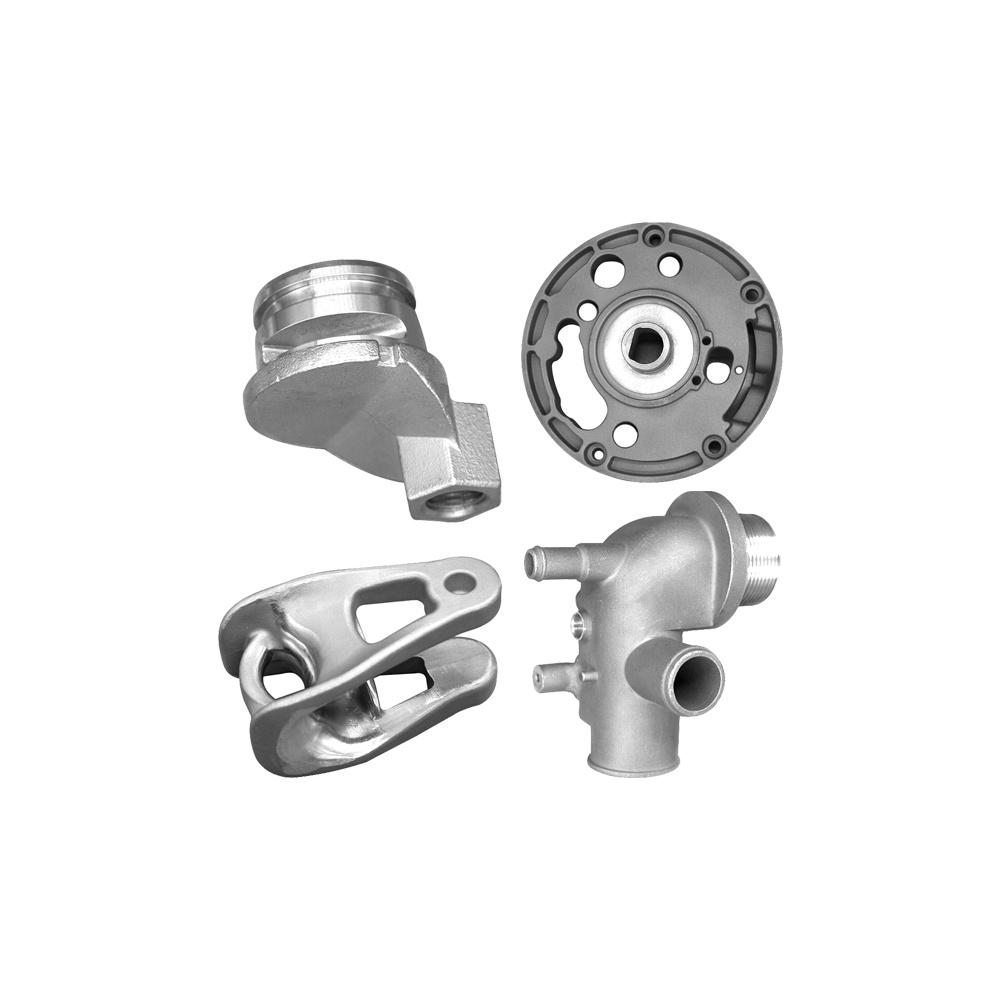
2025-12-14 12:00
Understanding CNC Turning and Milling Parts: A Comprehensive Guide for Precision Manufacturing
CNC (Computer Numerical Control) turning and milling are essential processes in the realm of precision manufacturing. These techniques are widely employed in the machining industry for producing intricate components that meet strict tolerances and specifications. Understanding the fundamentals of CNC turning and milling parts can enhance your knowledge of how these processes contribute to quality
2025-12-09 12:10
A Comprehensive Guide to Household Appliances Maintenance: Keep Your Home Running Smoothly
A Comprehensive Guide to Household Appliances Maintenance Household appliances are the backbone of modern living, providing convenience and efficiency in our daily routines. However, just like any other mechanical devices, they require regular maintenance to function optimally. In this guide, we will explore various household appliances, their maintenance needs, and practical tips to extend their
Let’s Talk
We can help you figure out your needs.