
 Esperanto
 Shqiptare
 Euskara
 Zulu
Zulu
 Latinus
 Cymraeg
 தமிழ்
தமிழ்
 Slovak
 Slovak
 Afrikaans

The Art of Movement: Discover Orthopaedic Fittings to Elevate Your Every Step
Release time:
2024-08-28
Source:
The Art of Movement: Orthopaedics Fittings That Enhance Your Every Step
Movement is essential to our daily lives. Whether walking, running, or simply standing, the way we move significantly impacts our overall well-being. This is particularly true for individuals experiencing discomfort or limitations due to musculoskeletal conditions. Orthopaedic fittings, including braces, supports, and specialized footwear, play a vital role in enhancing mobility and ensuring each step you take is comfortable and pain-free. In this comprehensive guide, we will explore various orthopaedic fittings and how they can improve the art of movement.
Table of Contents
- Understanding Orthopaedics and Its Importance
- What Are Orthopaedic Fittings?
- Types of Orthopaedic Fittings
- Benefits of Using Orthopaedic Fittings
- Choosing the Right Orthopaedic Fitting
- The Role of Technology in Orthopaedics
- Common Misconceptions About Orthopaedic Fittings
- Frequently Asked Questions
- Conclusion
Understanding Orthopaedics and Its Importance
Orthopaedics is a branch of medicine focused on the diagnosis, treatment, and prevention of musculoskeletal disorders. This field encompasses a wide range of conditions affecting bones, joints, ligaments, tendons, and muscles. The importance of orthopaedics cannot be overstated, as it significantly contributes to improving mobility and enhancing the quality of life for individuals with musculoskeletal issues.
Orthopaedic professionals, including surgeons, physical therapists, and orthotists, work collaboratively to provide comprehensive care for patients. Their expertise helps ensure that individuals regain their ability to move freely and comfortably, ultimately leading to improved physical and mental well-being.
What Are Orthopaedic Fittings?
Orthopaedic fittings refer to a range of devices designed to support, align, and improve the function of musculoskeletal structures. These fittings include braces, splints, orthotic insoles, and prosthetics, each tailored to meet the specific needs of the individual. The primary goal of these devices is to enhance mobility, alleviate pain, and prevent further injury.
Orthopaedic fittings are typically custom-made or prescribed by healthcare professionals based on a thorough assessment of the patient's condition. They can be used in various settings, including post-surgery recovery, injury rehabilitation, and chronic pain management.
Types of Orthopaedic Fittings
There are several types of orthopaedic fittings, each designed to cater to different conditions and needs. Understanding these types can help patients make informed choices about their treatment options.
Braces and Supports
Braces and supports are commonly used to stabilize and protect injured joints and muscles. They are available in various styles, including:
- Knee Braces: Designed to provide support and stability to the knee joint, knee braces are often used in the treatment of injuries, arthritis, and post-surgical recovery.
- Ankle Supports: These devices help immobilize the ankle, reducing pain and preventing further injury. They are beneficial for sprains and strains.
- Wrist Braces: Wrist braces assist those with carpal tunnel syndrome, tendonitis, or other wrist-related injuries by providing support and reducing strain.
Orthotic Footwear
Orthotic footwear is specially designed to provide support, stability, and comfort to individuals with foot and lower limb issues. Features of orthotic footwear include:
- Arch Support: Proper arch support helps distribute weight evenly and reduces pressure on certain areas of the foot.
- Cushioning: Enhanced cushioning minimizes impact on joints while walking or running, providing a more comfortable experience.
- Custom Fit: Many orthotic shoes can be tailored to accommodate specific foot shapes and conditions, ensuring optimal support.
Prosthetics
For individuals who have lost limbs due to injury or illness, prosthetics play a crucial role in restoring mobility. Prosthetic devices are designed to replace lost limbs and function as closely to natural limbs as possible. Advances in technology have led to the development of highly functional prosthetics that allow users to engage in various activities, including sports and daily tasks.
Benefits of Using Orthopaedic Fittings
The use of orthopaedic fittings comes with numerous benefits that extend beyond physical health. Some of the most significant advantages include:
- Pain Relief: Orthopaedic fittings are designed to reduce pain associated with musculoskeletal conditions, enabling individuals to lead more active lives.
- Improved Mobility: By providing support and stabilization, these fittings enhance mobility, allowing individuals to perform daily activities with greater ease.
- Injury Prevention: Properly fitted orthopaedic devices can help prevent further injury by reducing strain on vulnerable areas of the body.
- Enhanced Comfort: Many orthopaedic fittings are designed with comfort in mind, ensuring that users can wear them for extended periods without discomfort.
Choosing the Right Orthopaedic Fitting
Selecting the most suitable orthopaedic fitting requires careful consideration and consultation with a healthcare professional. Here are important factors to consider:
- Consultation: Always consult with an orthopaedic specialist or physical therapist who can assess your condition and recommend the best fitting.
- Customization: Many orthopaedic fittings can be customized to meet individual needs, ensuring optimal support and comfort.
- Material: Consider the materials used in the fitting, as they can greatly affect comfort, durability, and ease of maintenance.
- Activity Level: Your activity level should guide your choice; more active individuals may require more robust support compared to those with limited mobility.
The Role of Technology in Orthopaedics
Technology has revolutionized the field of orthopaedics, enhancing the design and effectiveness of fittings. Innovations such as 3D printing, smart sensors, and advanced materials have led to the development of sophisticated orthopaedic devices. These technologies allow for:
- Custom Fitting: 3D scanning technology enables precise measurements of the body, leading to the creation of custom-fitted braces and orthotics.
- Real-Time Monitoring: Smart sensors embedded in some devices can monitor movement and provide feedback, helping users optimize their rehabilitation.
- Lightweight Materials: Advances in materials science have resulted in lighter, more durable fittings that enhance comfort without sacrificing support.
Common Misconceptions About Orthopaedic Fittings
Despite their benefits, several misconceptions exist regarding orthopaedic fittings. Addressing these can help individuals make informed decisions:
- Misconception 1: Orthopaedic fittings are only for elderly individuals. Reality: People of all ages can benefit from orthopaedic fittings, especially those with active lifestyles or specific conditions.
- Misconception 2: Wearing a brace will weaken the muscles. Reality: When used correctly, braces can provide support while allowing for muscle strengthening through rehabilitation exercises.
- Misconception 3: Orthopaedic fittings are uncomfortable. Reality: While early models may have been bulky, modern fittings are designed with comfort as a priority.
Frequently Asked Questions
Here are some common questions regarding orthopaedic fittings:
1. How do I know if I need an orthopaedic fitting?
If you experience persistent pain, instability, or discomfort in your joints or muscles, it is advisable to consult an orthopaedic professional for evaluation.
2. Are orthopaedic fittings covered by insurance?
Many insurance plans cover orthopaedic fittings, especially when prescribed by a healthcare professional. Check with your provider for specific coverage details.
3. Can I wear orthopaedic fittings while exercising?
Yes, many orthopaedic fittings are designed for use during physical activity. Consult your healthcare provider for recommendations tailored to your activity level.
4. How often should I wear my orthopaedic fitting?
Your healthcare provider will offer guidance on how often to wear the fitting based on your condition and lifestyle. Regular use is often essential for optimal results.
5. How do I maintain my orthopaedic fitting?
Proper maintenance varies by device but generally includes regular cleaning and inspections for wear and tear. Follow the manufacturer's instructions for best practices.
Conclusion
Orthopaedic fittings are invaluable tools that significantly enhance mobility, comfort, and quality of life for individuals facing musculoskeletal challenges. By understanding the various types of fittings, their benefits, and the role of technology in their development, individuals can make informed decisions to improve their movement. Whether you are recovering from an injury, managing a chronic condition, or seeking preventive care, exploring orthopaedic solutions can be a powerful step towards enhancing your every stride. As we continue to advance in the field of orthopaedics, the art of movement will undoubtedly become more accessible and enjoyable for all.
Orthopaedics Fittings
Related News
2025-12-14 12:00
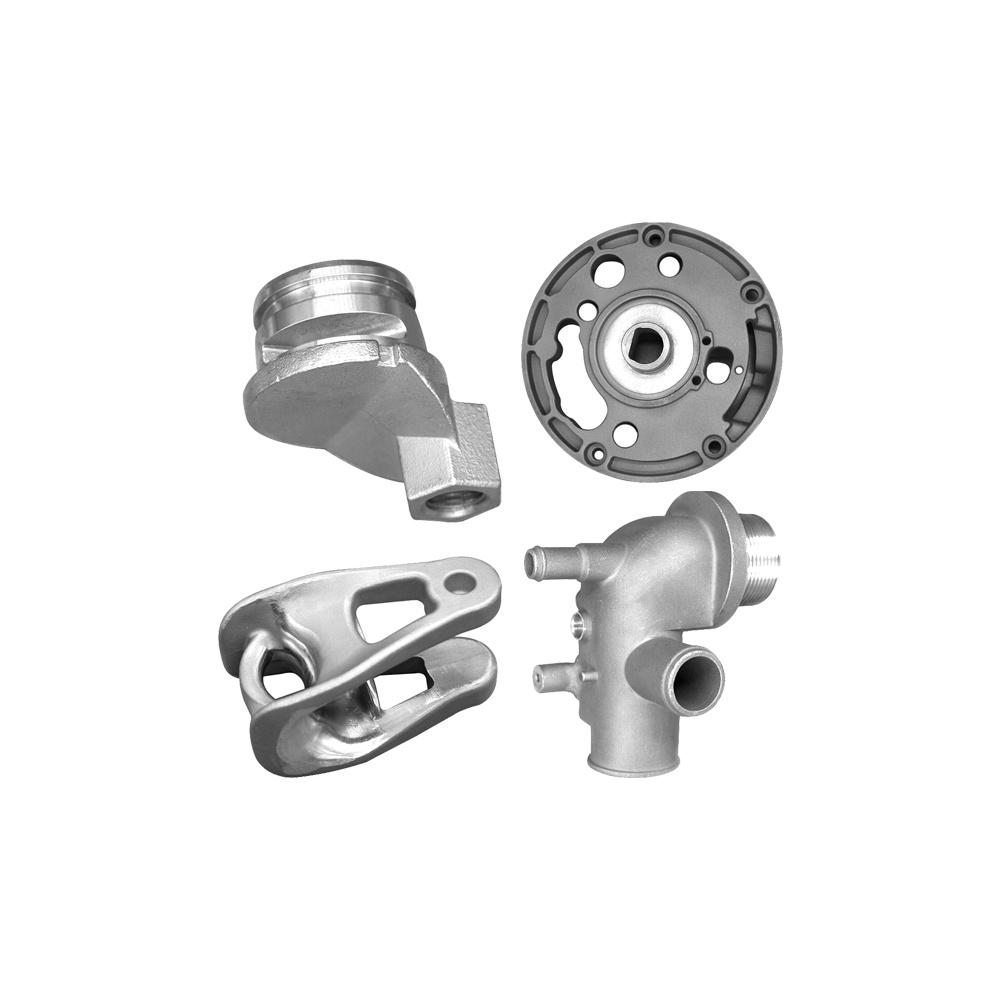
Understanding CNC Turning and Milling Parts: A Comprehensive Guide for Precision Manufacturing
CNC (Computer Numerical Control) turning and milling are essential processes in the realm of precision manufacturing. These techniques are widely employed in the machining industry for producing intricate components that meet strict tolerances and specifications. Understanding the fundamentals of CNC turning and milling parts can enhance your knowledge of how these processes contribute to quality
2025-12-09 12:10
A Comprehensive Guide to Household Appliances Maintenance: Keep Your Home Running Smoothly
A Comprehensive Guide to Household Appliances Maintenance Household appliances are the backbone of modern living, providing convenience and efficiency in our daily routines. However, just like any other mechanical devices, they require regular maintenance to function optimally. In this guide, we will explore various household appliances, their maintenance needs, and practical tips to extend their
Let’s Talk
We can help you figure out your needs.