
 Esperanto
 Shqiptare
 Euskara
 Zulu
Zulu
 Latinus
 Cymraeg
 தமிழ்
தமிழ்
 Slovak
 Slovak
 Afrikaans

Unlocking the Power of Precision: The Ultimate Guide to Navigating Screws and Nuts
Release time:
2024-06-23
Source:
1. **Introduction**
2. **Types of Screws and Nuts**
1. **Machine Screws**
2. **Wood Screws**
3. **Sheet Metal Screws**
4. **Hex Nuts**
5. **Lock Nuts**
3. **Choosing the Right Fastener**
1. **Factors to Consider**
2. **Materials and Finishes**
4. **Installation Techniques**
1. **Proper Tools**
2. **Preparation**
3. **Step-by-Step Guide**
5. **Maintenance and Care**
1. **Preventative Measures**
2. **Common Issues and Solutions**
6. **FAQs**
1. **What are the different types of screw heads?**
2. **How do I determine the size of a screw or nut?**
3. **Can I reuse screws and nuts?**
4. **What is the best way to remove stripped screws?**
5. **How do I prevent rust on metal fasteners?**
7. **Conclusion**
**Introduction**
Screws and nuts are essential components in various industries, from construction to manufacturing. Understanding the different types and how to properly use them is crucial for ensuring the structural integrity of your projects. In this guide, we will delve into the world of fasteners and provide you with valuable insights on how to navigate the intricacies of screws and nuts.
**Types of Screws and Nuts**
**Machine Screws**
Machine screws are designed to be used with tapped holes or nuts in machinery. They come in a variety of sizes and heads, making them versatile for different applications.
**Wood Screws**
Wood screws are specifically designed for use in wood materials. They have coarse threads that provide a strong grip and prevent slipping.
**Sheet Metal Screws**
Sheet metal screws are used to fasten metal panels or sheets together. They have sharp threads that can easily cut through metal.
**Hex Nuts**
Hex nuts are the most common type of nut, with six sides that provide a secure grip when tightened. They are used in conjunction with bolts for fastening.
**Lock Nuts**
Lock nuts are designed to prevent loosening due to vibrations or torque. They have a nylon insert that creates friction when tightened, ensuring a secure connection.
**Choosing the Right Fastener**
**Factors to Consider**
When choosing a screw or nut, consider factors such as the material of the fastener, the environment it will be used in, and the load it will bear. This will help you select the right fastener for your specific application.
**Materials and Finishes**
Fasteners come in a variety of materials and finishes, including stainless steel, zinc-plated steel, and brass. Each material has its own set of properties that make it suitable for different conditions.
**Installation Techniques**
**Proper Tools**
Using the right tools for installation is crucial for ensuring the proper fit and alignment of screws and nuts. Make sure to use the correct size screwdriver or wrench to avoid stripping the fastener.
**Preparation**
Before installing a screw or nut, ensure that the surfaces are clean and free of debris. This will prevent interference with the fastener and ensure a secure connection.
**Step-by-Step Guide**
Follow these steps for proper installation of screws and nuts:
1. Identify the correct size and type of fastener.
2. Align the screw or nut with the hole.
3. Tighten the fastener securely but avoid over-tightening.
4. Check for proper alignment and stability.
**Maintenance and Care**
**Preventative Measures**
To prevent issues with screws and nuts, regularly inspect them for signs of wear or damage. Replace any fasteners that show signs of corrosion or stripping to avoid structural failures.
**Common Issues and Solutions**
If you encounter stripped screws, use a screw extractor to remove them. For rusted fasteners, apply a rust remover and gently scrub the surface to remove corrosion.
**FAQs**
**What are the different types of screw heads?**
There are various types of screw heads, including Phillips, slotted, hex, and Torx. Each type is designed for different applications and requires a specific screwdriver for installation.
**How do I determine the size of a screw or nut?**
Screw and nut sizes are typically indicated by a numerical measurement that corresponds to the diameter and length of the fastener. Refer to a sizing chart or consult with a hardware store for accurate measurements.
**Can I reuse screws and nuts?**
While it is possible to reuse screws and nuts, it is important to inspect them for wear or damage before doing so. Replace any fasteners that show signs of wear to ensure a secure connection.
**What is the best way to remove stripped screws?**
To remove stripped screws, use a screw extractor tool that grips the screw head and allows you to twist it out. Alternatively, you can use a rubber band or super glue to create traction and loosen the screw.
**How do I prevent rust on metal fasteners?**
To prevent rust on metal fasteners, apply a rust inhibitor or use stainless steel fasteners that are resistant to corrosion. Regularly inspect and clean fasteners to remove any signs of rust.
**Conclusion**
Navigating the world of screws and nuts may seem daunting, but with the right knowledge and tools, you can tackle any project with confidence. By understanding the different types, choosing the right fastener, and following proper installation techniques, you can unlock the power of precision in your projects. Remember to regularly maintain and care for your fasteners to ensure long-lasting durability and reliability. Happy fastening!
Screws and Nuts
Related News
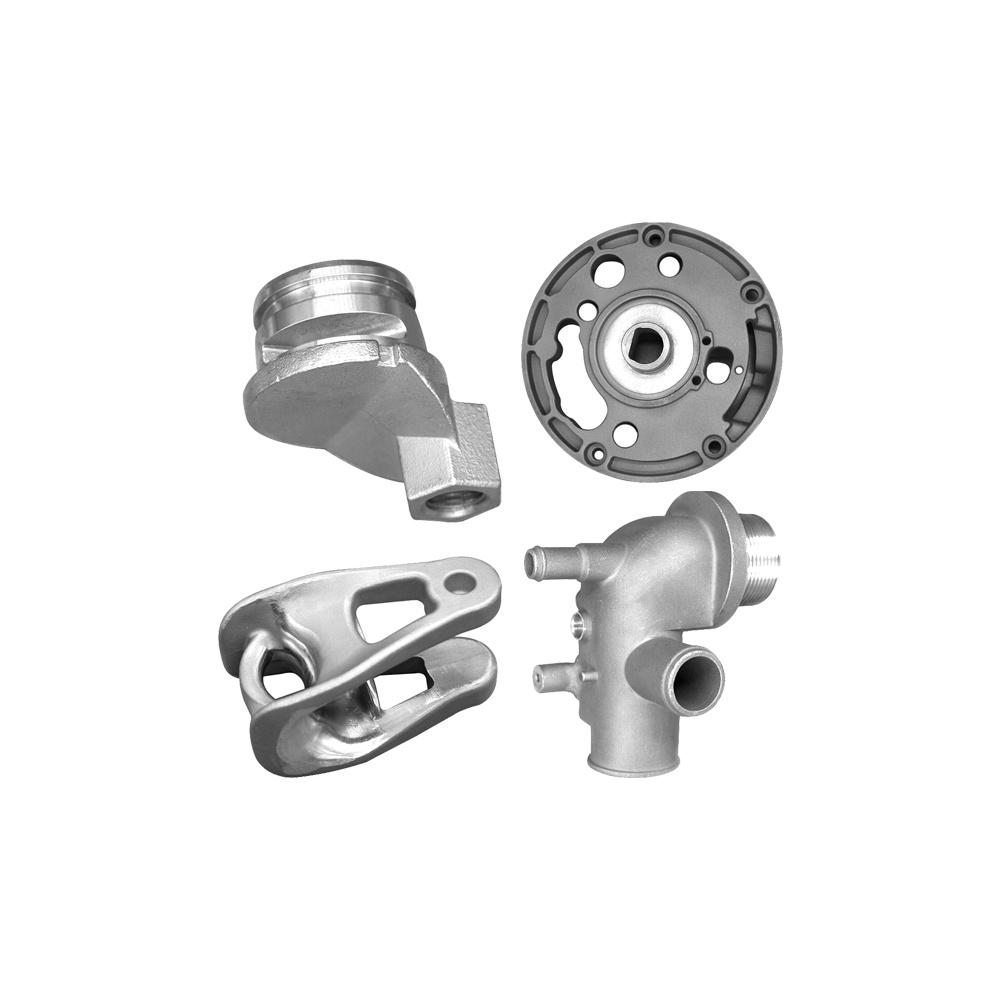
2025-12-14 12:00
Understanding CNC Turning and Milling Parts: A Comprehensive Guide for Precision Manufacturing
CNC (Computer Numerical Control) turning and milling are essential processes in the realm of precision manufacturing. These techniques are widely employed in the machining industry for producing intricate components that meet strict tolerances and specifications. Understanding the fundamentals of CNC turning and milling parts can enhance your knowledge of how these processes contribute to quality
2025-12-09 12:10
A Comprehensive Guide to Household Appliances Maintenance: Keep Your Home Running Smoothly
A Comprehensive Guide to Household Appliances Maintenance Household appliances are the backbone of modern living, providing convenience and efficiency in our daily routines. However, just like any other mechanical devices, they require regular maintenance to function optimally. In this guide, we will explore various household appliances, their maintenance needs, and practical tips to extend their
Let’s Talk
We can help you figure out your needs.