
 Esperanto
 Shqiptare
 Euskara
 Zulu
Zulu
 Latinus
 Cymraeg
 தமிழ்
தமிழ்
 Slovak
 Slovak
 Afrikaans

Understanding the Different Types of Bushings and Rings
Release time:
2024-05-07
Source:
In the realm of industrial equipment and components, bushings and rings are essential elements that play a crucial role in ensuring the smooth operation of machinery and equipment. These components come in various types, each designed for specific applications and functions. In this article, we will delve into the different types of bushings and rings available in the market, their unique characteristics, and the roles they play in various industrial settings.
**Types of Bushings**
*Bronze Bushings*
Bronze bushings are a popular choice in industrial applications due to their durability and resistance to wear and corrosion. These bushings are commonly used in heavy-duty machinery and equipment where high load-bearing capacity is required.
*Plastic Bushings*
Plastic bushings offer excellent self-lubricating properties, making them ideal for applications where low friction is essential. These bushings are lightweight and resistant to chemicals, making them a cost-effective solution for many industries.
*Steel Bushings*
Steel bushings are known for their high strength and durability, making them suitable for heavy machinery and equipment. These bushings are capable of withstanding high loads and offer excellent performance in harsh operating conditions.
**Types of Rings**
*Oil Rings*
Oil rings are used to provide lubrication to moving parts within machinery and equipment. These rings help reduce friction and wear, ensuring smooth operation and extending the lifespan of the equipment.
*Support Rings*
Support rings are designed to provide structural support and stability to components within machinery and equipment. These rings help distribute loads evenly, preventing premature wear and damage.
*Sealing Rings*
Sealing rings are used to prevent leakage of fluids or gases in machinery and equipment. These rings create a tight seal between components, ensuring efficient operation and preventing contamination.
**FAQs**
1. What are the common materials used in bushings and rings?
2. How do I select the right type of bushing for my application?
3. What factors should I consider when choosing a ring for my equipment?
4. Can bushings and rings be customized for specific applications?
5. How do I maintain and prolong the lifespan of bushings and rings?
**Conclusion**
In conclusion, understanding the different types of bushings and rings available in the industrial equipment and components industry is essential for selecting the right components for your machinery and equipment. By choosing the appropriate bushing and ring for your application, you can ensure optimal performance, longevity, and efficiency of your equipment. Explore the diverse options available and consult with industry experts to make informed decisions for your industrial needs.
bushings and rings
Related News
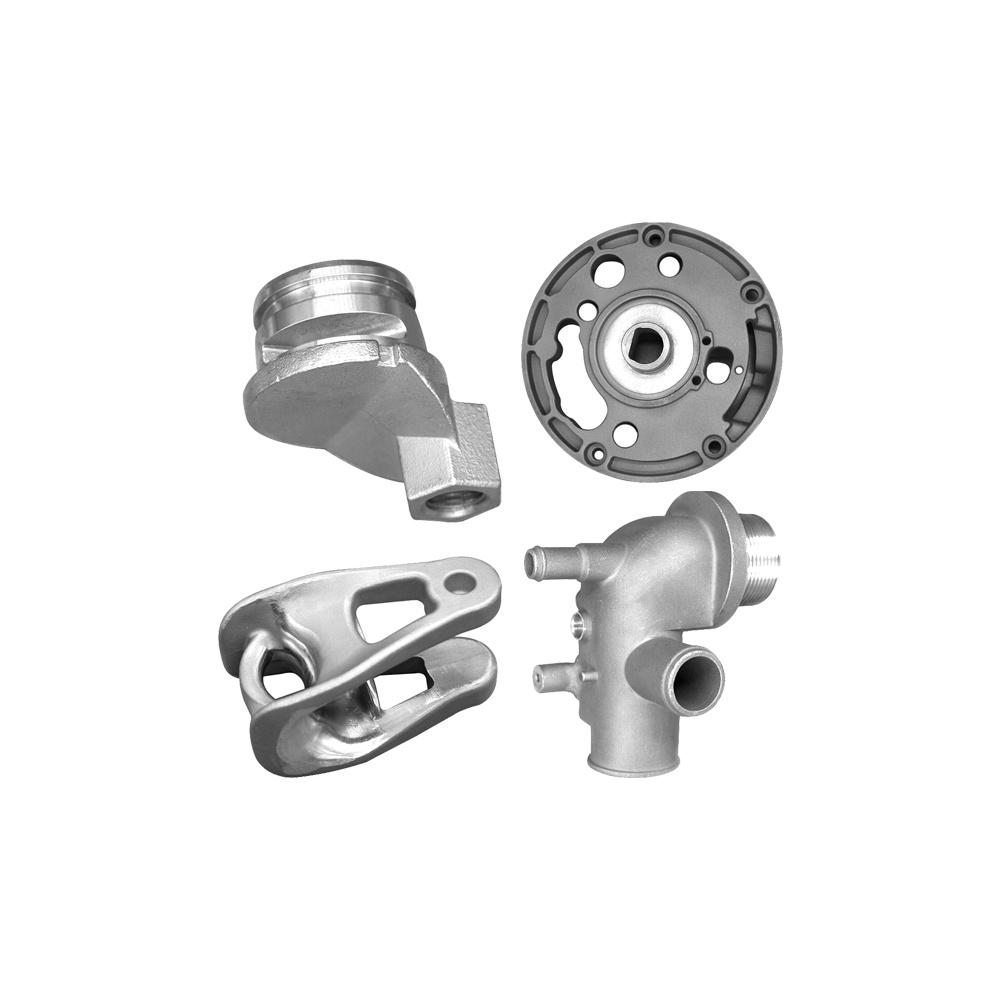
2025-12-14 12:00
Understanding CNC Turning and Milling Parts: A Comprehensive Guide for Precision Manufacturing
CNC (Computer Numerical Control) turning and milling are essential processes in the realm of precision manufacturing. These techniques are widely employed in the machining industry for producing intricate components that meet strict tolerances and specifications. Understanding the fundamentals of CNC turning and milling parts can enhance your knowledge of how these processes contribute to quality
2025-12-09 12:10
A Comprehensive Guide to Household Appliances Maintenance: Keep Your Home Running Smoothly
A Comprehensive Guide to Household Appliances Maintenance Household appliances are the backbone of modern living, providing convenience and efficiency in our daily routines. However, just like any other mechanical devices, they require regular maintenance to function optimally. In this guide, we will explore various household appliances, their maintenance needs, and practical tips to extend their
Let’s Talk
We can help you figure out your needs.