
 Esperanto
 Shqiptare
 Euskara
 Zulu
Zulu
 Latinus
 Cymraeg
 தமிழ்
தமிழ்
 Slovak
 Slovak
 Afrikaans

The Ultimate Guide to Choosing the Right Screws and Nuts for Your Industrial Needs
Release time:
2024-04-21
Source:
When it comes to industrial applications, selecting the right screws and nuts is crucial for the success of your projects. From construction to manufacturing, having the correct fasteners can make a significant difference in the overall quality and durability of your work. In this guide, we will explore the key factors you need to consider when choosing screws and nuts for industrial applications.
**Types of Screws and Nuts**
There are various types of screws and nuts available in the market, each designed for specific uses. Understanding the different types can help you make informed decisions when selecting fasteners for your projects. Some common types include:
**1. Machine Screws**
Machine screws are versatile fasteners commonly used in metalworking and engineering applications. They are designed to be used with a tapped hole or nut and come in a wide range of sizes and materials.
**2. Self-Tapping Screws**
Self-tapping screws have a unique thread design that allows them to create their threads as they are driven into the material. This makes them ideal for applications where tapping a hole is not possible or practical.
**3. Hex Nuts**
Hex nuts are one of the most commonly used types of nuts in industrial applications. They have six sides, making them easy to grip and tighten with a wrench. They are available in various materials and finishes to suit different needs.
**4. Lock Nuts**
Lock nuts are designed to prevent loosening due to vibration or torque. They feature a locking mechanism that helps keep them securely in place, making them ideal for high-stress applications.
**Factors to Consider When Selecting Screws and Nuts**
When choosing screws and nuts for your industrial applications, there are several factors you need to consider to ensure optimal performance and safety. Some key factors include:
**1. Material**
The material of the screws and nuts you choose plays a significant role in their performance and durability. Different materials offer varying levels of strength, corrosion resistance, and temperature tolerance. Common materials include stainless steel, carbon steel, and aluminum.
**2. Size and Length**
Selecting the right size and length of screws and nuts is essential to ensure a secure and stable connection. Using screws that are too short or too long can compromise the integrity of your project and lead to safety hazards.
**3. Thread Type**
The thread type of screws and nuts determines how they engage with the material. Coarse threads are suitable for softer materials, while fine threads are better for harder materials. Understanding the thread type can help you choose the right fasteners for your specific application.
**4. Head Style**
The head style of screws is another important factor to consider. Different head styles, such as flat, pan, or hex, offer varying levels of grip and aesthetics. Choosing the right head style can make a significant difference in the overall look and functionality of your project.
**FAQs**
**Q: What are the benefits of using stainless steel screws and nuts in industrial applications?**
A: Stainless steel offers excellent corrosion resistance, strength, and durability, making it ideal for harsh environments and high-stress applications.
**Q: How do I determine the right size of screws and nuts for my project?**
A: Consult with a fastener supplier or refer to industry standards and guidelines to determine the appropriate size and length of screws and nuts for your specific application.
**Q: What is the difference between machine screws and self-tapping screws?**
A: Machine screws require a tapped hole or nut for installation, while self-tapping screws can create their threads as they are driven into the material.
**Conclusion**
Choosing the right screws and nuts for your industrial applications is essential for the success and safety of your projects. By considering factors such as material, size, thread type, and head style, you can ensure optimal performance and durability. Remember to consult with a fastener supplier or industry expert to make informed decisions and select the best fasteners for your specific needs.
screws and nuts
Related News
2025-12-14 12:00
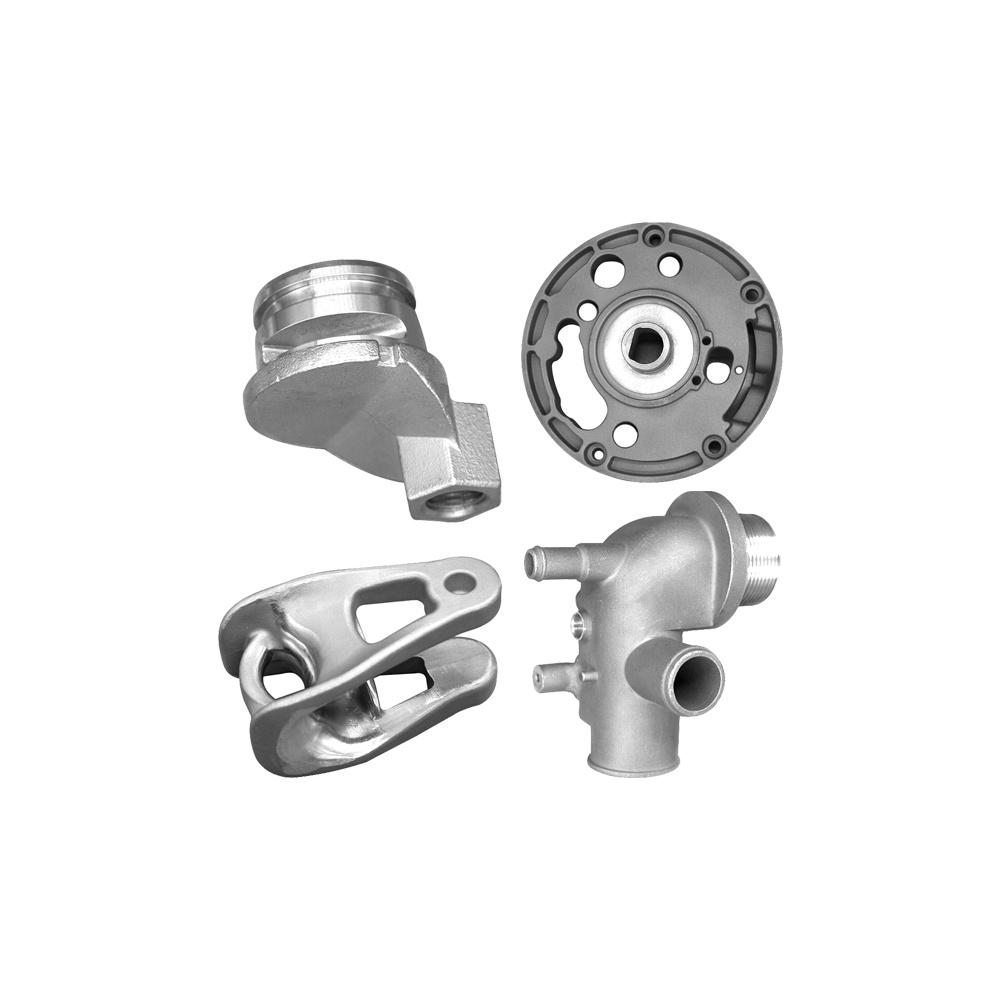
Understanding CNC Turning and Milling Parts: A Comprehensive Guide for Precision Manufacturing
CNC (Computer Numerical Control) turning and milling are essential processes in the realm of precision manufacturing. These techniques are widely employed in the machining industry for producing intricate components that meet strict tolerances and specifications. Understanding the fundamentals of CNC turning and milling parts can enhance your knowledge of how these processes contribute to quality
2025-12-09 12:10
A Comprehensive Guide to Household Appliances Maintenance: Keep Your Home Running Smoothly
A Comprehensive Guide to Household Appliances Maintenance Household appliances are the backbone of modern living, providing convenience and efficiency in our daily routines. However, just like any other mechanical devices, they require regular maintenance to function optimally. In this guide, we will explore various household appliances, their maintenance needs, and practical tips to extend their
Let’s Talk
We can help you figure out your needs.