
 Esperanto
 Shqiptare
 Euskara
 Zulu
Zulu
 Latinus
 Cymraeg
 தமிழ்
தமிழ்
 Slovak
 Slovak
 Afrikaans

Exploring the Various Types of Screws and Nuts for Industrial Applications
Release time:
2024-03-19
Source:
Screws and nuts are essential components in the world of industrial equipment and machinery. They play a crucial role in holding various parts together, ensuring stability, and facilitating smooth operation. With a myriad of options available in the market, it can be overwhelming to choose the right type of screws and nuts for specific industrial applications. In this comprehensive guide, we will explore the different types of screws and nuts commonly used in industrial settings and provide insights on selecting the most suitable fasteners for your projects.
## Types of Screws
### Machine Screws
Machine screws are versatile fasteners used in a wide range of applications, from electronics to heavy machinery. They feature a uniform diameter and thread pitch, making them ideal for creating tight connections in metal or plastic components.
### Wood Screws
Wood screws are specifically designed for use in wooden materials. They have coarse threads that provide a strong grip and prevent the wood from splitting. Wood screws come in various head styles, such as flat, oval, or round, to accommodate different installation requirements.
### Self-Tapping Screws
Self-tapping screws have a sharp, pointed end that allows them to create their threads as they are driven into the material. These screws are commonly used in metal-to-metal applications and eliminate the need for pre-drilling holes.
### Sheet Metal Screws
Sheet metal screws are designed for fastening thin metal sheets together. They have a sharp, self-tapping point and a fine thread that ensures a secure connection without damaging the material. Sheet metal screws come in different head types, including pan, flat, and hex.
## Types of Nuts
### Hex Nuts
Hex nuts are the most commonly used type of nut in industrial applications. They have six flat sides and are designed to be used with bolts or screws with matching threads. Hex nuts provide a secure and stable connection and are available in various materials, such as steel, stainless steel, and brass.
### Lock Nuts
Lock nuts, also known as prevailing torque nuts, feature a nylon insert or a distorted thread that prevents them from loosening under vibration or torque. These nuts are ideal for applications where maintaining tightness is essential, such as automotive and machinery assembly.
### Wing Nuts
Wing nuts are easy-to-install nuts with two wings that allow for hand tightening without the need for tools. They are commonly used in applications where frequent adjustments or quick assembly is required, such as lighting fixtures and furniture.
### Cap Nuts
Cap nuts, also known as acorn nuts, have a domed cap that covers the exposed end of a bolt or screw. These nuts provide a finished look and protect the fastener from dirt, debris, and corrosion. Cap nuts are often used in decorative or aesthetic applications.
# How to Choose the Right Fasteners
Selecting the appropriate screws and nuts for your industrial projects is crucial to ensure safety, stability, and longevity. Here are some factors to consider when choosing fasteners:
- Material: Consider the material of the fastener and the components it will be used with to ensure compatibility and prevent corrosion.
- Size: Choose screws and nuts that are the right size for the application to avoid over-tightening or inadequate fastening.
- Head Type: Select the appropriate head type, such as flat, pan, or round, based on the installation requirements and aesthetic preferences.
- Thread Type: Match the thread type of the screw and nut to ensure a secure and tight connection without stripping or loosening.
# FAQs
## Q: What is the difference between machine screws and wood screws?
A: Machine screws are designed for use in metal or plastic materials, while wood screws are specifically for wooden applications due to their coarse threads.
## Q: How do self-tapping screws work?
A: Self-tapping screws have a sharp, pointed end that creates its threads as it is driven into the material, eliminating the need for pre-drilling holes.
## Q: When should I use lock nuts?
A: Lock nuts are ideal for applications where maintaining tightness is crucial, such as in automotive or machinery assembly, to prevent loosening under vibration.
## Q: What is the purpose of cap nuts?
A: Cap nuts provide a finished look and protect the fastener from debris and corrosion, making them suitable for decorative or aesthetic applications.
## Q: Can wing nuts be tightened by hand?
A: Yes, wing nuts have two wings that allow for hand tightening without the need for tools, making them convenient for quick assembly or adjustments.
# Conclusion
Choosing the right screws and nuts for industrial applications is essential to ensure the safety, stability, and efficiency of your projects. By understanding the different types of fasteners available and considering factors such as material, size, and head type, you can select the most suitable screws and nuts for your specific needs. Whether you are working on electronics, machinery, or woodworking projects, having the right fasteners will help you achieve optimal results and create durable and reliable connections. Explore the diverse world of screws and nuts and elevate your industrial projects with the perfect fastening solutions.
quality screws and nuts
Related News
2025-12-14 12:00
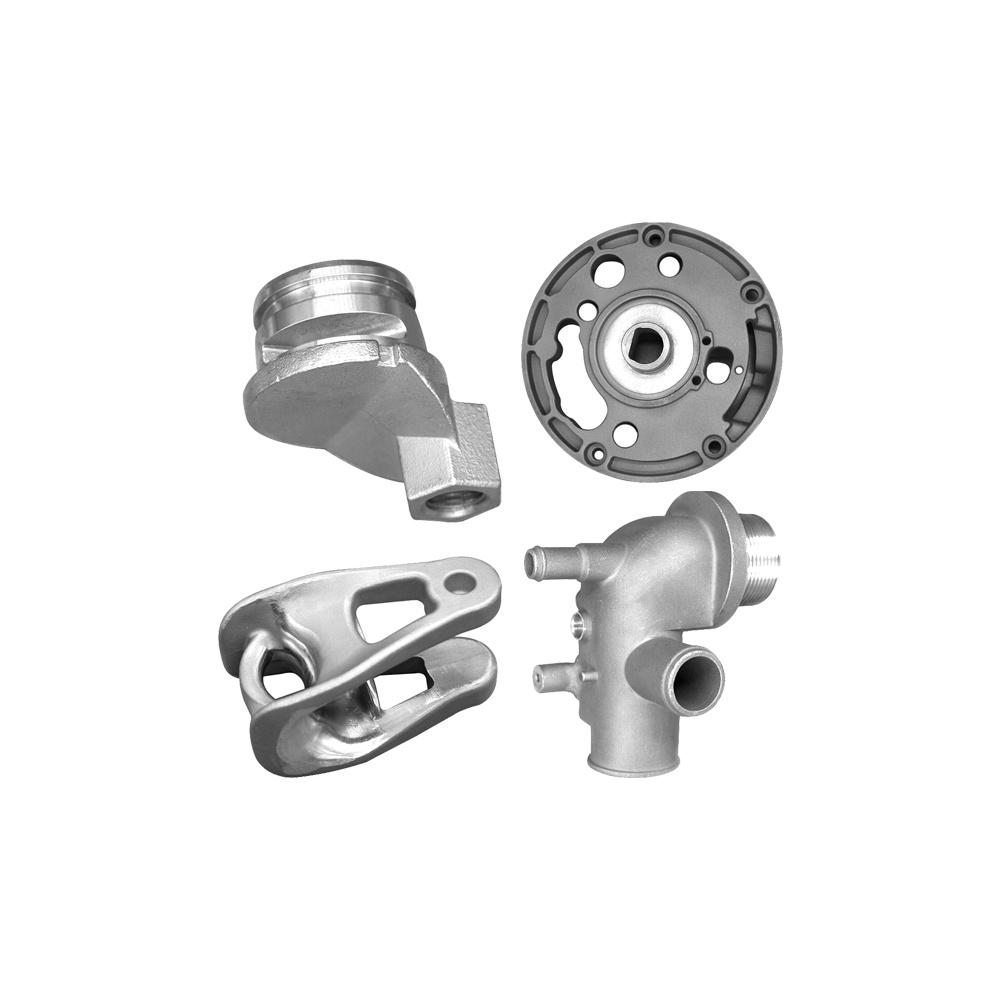
Understanding CNC Turning and Milling Parts: A Comprehensive Guide for Precision Manufacturing
CNC (Computer Numerical Control) turning and milling are essential processes in the realm of precision manufacturing. These techniques are widely employed in the machining industry for producing intricate components that meet strict tolerances and specifications. Understanding the fundamentals of CNC turning and milling parts can enhance your knowledge of how these processes contribute to quality
2025-12-09 12:10
A Comprehensive Guide to Household Appliances Maintenance: Keep Your Home Running Smoothly
A Comprehensive Guide to Household Appliances Maintenance Household appliances are the backbone of modern living, providing convenience and efficiency in our daily routines. However, just like any other mechanical devices, they require regular maintenance to function optimally. In this guide, we will explore various household appliances, their maintenance needs, and practical tips to extend their
Let’s Talk
We can help you figure out your needs.