
 Esperanto
 Shqiptare
 Euskara
 Zulu
Zulu
 Latinus
 Cymraeg
 தமிழ்
தமிழ்
 Slovak
 Slovak
 Afrikaans

Step-by-Step Guide to Properly Fit Orthopaedic Equipment: Ensuring Comfort and Optimal Functionality for Patients
Release time:
2024-02-01
Source:
Introduction: The Importance of Properly Fitting Orthopaedic Equipment
Understanding the Significance of Proper Fitting
The Impact of Poorly Fitted Orthopaedic Equipment
Step 1: Assessing Patient Needs and Equipment Requirements
Evaluating Patient Demographics and Condition
Identifying the Appropriate Orthopaedic Equipment
Step 2: Measuring and Taking Precise Fitments
Accurate Measurements: The Key to Proper Fitment
Determining the Correct Sizing for Orthopaedic Equipment
Step 3: Ensuring Comfort and Adjustability
Ergonomic Design and Customization
Addressing Patient Comfort Concerns
Step 4: Proper Installation and Adjustment
Expert Techniques for Installation
Fine-tuning and Adjusting Orthopaedic Equipment
Step 5: Testing and Validating Functionality
Conducting Thorough Functional Tests
Ensuring Optimal Performance and Functionality
Step 6: Educating Patients on Proper Usage
Providing Clear Instructions and Demonstrations
Addressing Patient Concerns and Questions
Step 7: Monitoring and Follow-Up
Regular Check-ups and Assessments
Addressing Any Necessary Adjustments or Replacements
Frequently Asked Questions
Q1: How often should orthopaedic equipment fitting be reassessed?
Q2: What are the common challenges in fitting orthopaedic equipment?
Q3: Can patients self-adjust their orthopaedic equipment?
Q4: What if the patient experiences discomfort with the fitted equipment?
Q5: How long does the fitting process typically take?
Conclusion: Achieving Optimal Fitment for Enhanced Patient Experience
In conclusion, properly fitting orthopaedic equipment is crucial for ensuring patient comfort and optimal functionality. By following the step-by-step guide provided in this article, healthcare professionals can expertly assess patient needs, measure and fit equipment accurately, prioritize comfort and adjustability, test functionality, educate patients on proper usage, and monitor follow-up. By adhering to these guidelines, healthcare providers can enhance patient experience and improve overall treatment outcomes. Remember, proper fitting is not only about functionality but also about providing the best possible care for patients in need.
orthopaedics fittings
Related News
2025-12-14 12:00
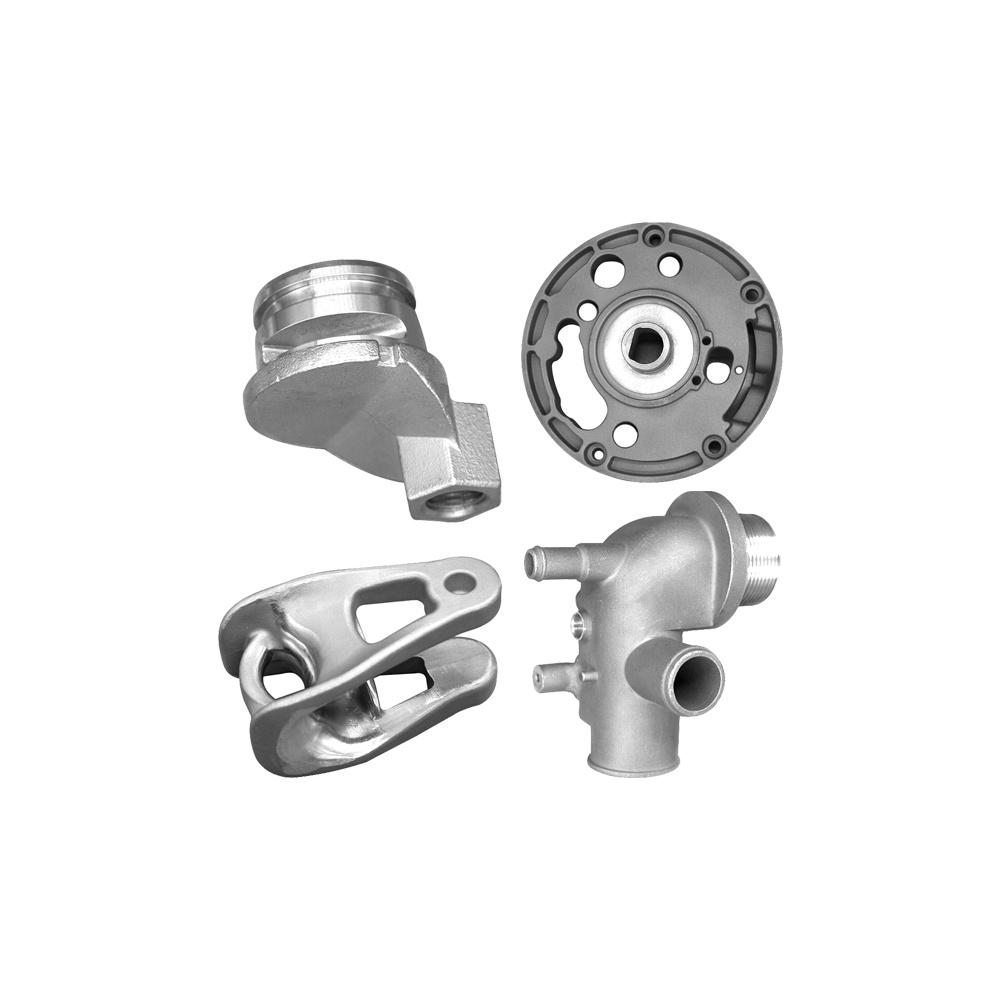
Understanding CNC Turning and Milling Parts: A Comprehensive Guide for Precision Manufacturing
CNC (Computer Numerical Control) turning and milling are essential processes in the realm of precision manufacturing. These techniques are widely employed in the machining industry for producing intricate components that meet strict tolerances and specifications. Understanding the fundamentals of CNC turning and milling parts can enhance your knowledge of how these processes contribute to quality
2025-12-09 12:10
A Comprehensive Guide to Household Appliances Maintenance: Keep Your Home Running Smoothly
A Comprehensive Guide to Household Appliances Maintenance Household appliances are the backbone of modern living, providing convenience and efficiency in our daily routines. However, just like any other mechanical devices, they require regular maintenance to function optimally. In this guide, we will explore various household appliances, their maintenance needs, and practical tips to extend their
Let’s Talk
We can help you figure out your needs.