
 Esperanto
 Shqiptare
 Euskara
 Zulu
Zulu
 Latinus
 Cymraeg
 தமிழ்
தமிழ்
 Slovak
 Slovak
 Afrikaans

Choosing the Right Orthopaedics Fittings: A Comprehensive Guide
Release time:
2024-01-29
Source:
Orthopaedics fittings are indispensable in the field of healthcare, particularly in the domain of medical devices. When it comes to aiding patients with musculoskeletal disorders, selecting the right orthopaedics fittings is of paramount importance. This article serves as a comprehensive guide to help healthcare professionals and patients make informed decisions, ensuring the best possible outcomes.
1. Understanding Orthopaedics Fittings:
Orthopaedics fittings encompass a wide range of medical devices designed to provide support, stability, and functionality to individuals with musculoskeletal impairments. These fittings can include braces, splints, casts, and prosthetics, catering to specific orthopedic needs.
2. Assessing Patient Requirements:
Each patient's condition is unique, necessitating a thorough assessment before selecting orthopaedics fittings. Factors such as the type and severity of the musculoskeletal disorder, patient lifestyle, and medical history play pivotal roles in determining the most appropriate fitting.
3. Collaborating with Orthopaedic Specialists:
To ensure the best outcomes, consulting with orthopaedic specialists is crucial. Their expertise can help identify the specific fitting requirements, provide insights into the latest advancements, and ensure a customized approach for each patient.
4. Quality and Safety Considerations:
When choosing orthopaedics fittings, quality and safety should never be compromised. Opt for well-established manufacturers or suppliers who adhere to stringent industry standards. Thoroughly assess the certifications, materials used, and durability of the fittings to guarantee patient safety and long-term efficacy.
5. Comfort and Convenience:
Orthopaedics fittings should not only be effective but also comfortable for patients to wear. Consider factors such as padding, adjustability, and breathability while selecting fittings to enhance patient compliance and overall satisfaction.
6. Maintenance and Follow-up:
Proper maintenance and regular follow-up are essential to ensure the longevity and efficacy of orthopaedics fittings. Educate patients on cleaning procedures, wearing schedules, and potential signs of wear and tear. Encourage them to report any discomfort or issues promptly.
Conclusion:
Choosing the right orthopaedics fittings is a critical aspect of providing comprehensive care to patients with musculoskeletal disorders. By understanding patient requirements, collaborating with specialists, prioritizing quality and safety, and focusing on comfort and convenience, healthcare professionals can make informed decisions and enhance patient outcomes significantly. Remember, the right orthopaedics fitting can make a world of difference in improving patients' quality of life and promoting their well-being.
orthopaedics fittings
Related News
2025-12-14 12:00
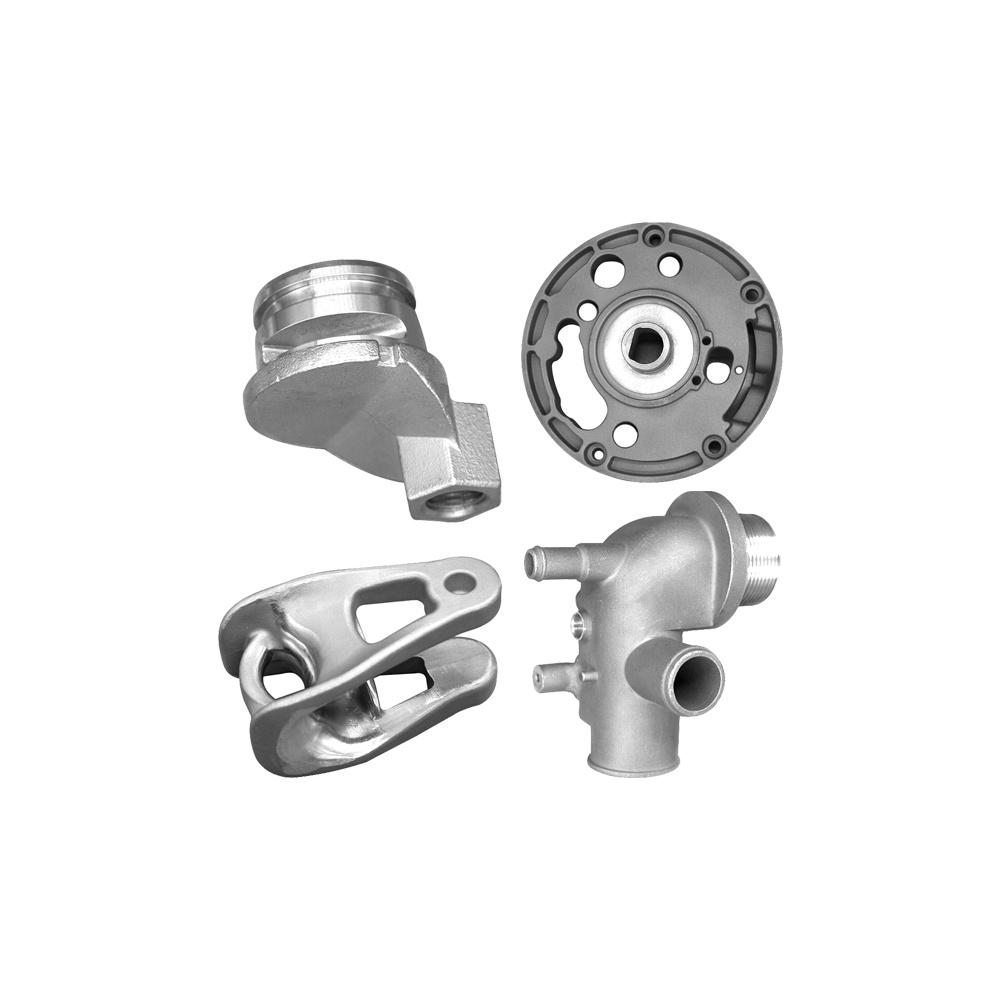
Understanding CNC Turning and Milling Parts: A Comprehensive Guide for Precision Manufacturing
CNC (Computer Numerical Control) turning and milling are essential processes in the realm of precision manufacturing. These techniques are widely employed in the machining industry for producing intricate components that meet strict tolerances and specifications. Understanding the fundamentals of CNC turning and milling parts can enhance your knowledge of how these processes contribute to quality
2025-12-09 12:10
A Comprehensive Guide to Household Appliances Maintenance: Keep Your Home Running Smoothly
A Comprehensive Guide to Household Appliances Maintenance Household appliances are the backbone of modern living, providing convenience and efficiency in our daily routines. However, just like any other mechanical devices, they require regular maintenance to function optimally. In this guide, we will explore various household appliances, their maintenance needs, and practical tips to extend their
Let’s Talk
We can help you figure out your needs.