
 Esperanto
 Shqiptare
 Euskara
 Zulu
Zulu
 Latinus
 Cymraeg
 தமிழ்
தமிழ்
 Slovak
 Slovak
 Afrikaans

Dental Instruments: Essential Tools for Oral Health Professionals
Release time:
2024-01-27
Source:
Dental instruments are vital components of every dental practice, enabling oral health professionals to diagnose, treat, and maintain their patients' oral health. In the field of dentistry, a diverse array of instruments is used, each serving a specific purpose. This article explores the different types of dental instruments commonly employed by dental professionals and their significance in delivering high-quality dental care.
1. Diagnostic Instruments:
Diagnostic instruments assist dental professionals in examining and diagnosing oral conditions accurately. Tools such as dental mirrors, explorers, and periodontal probes allow dentists to inspect the oral cavity, identify dental caries, gum diseases, or any abnormalities, and determine the appropriate treatment plan.
2. Restorative Instruments:
Restorative dental instruments are essential for the restoration and rehabilitation of teeth affected by decay, cracks, or fractures. Handpieces, excavators, amalgam carriers, and composite placement instruments are commonly used in procedures like fillings, crowns, and bridges.
3. Surgical Instruments:
Surgical procedures in dentistry require specialized instruments to ensure precision and efficiency. Forceps, scalpel handles, elevators, and retractors are some of the instruments used during extractions, gum surgeries, and dental implant placements. These instruments facilitate effective and safe surgical interventions.
4. Endodontic Instruments:
Endodontic instruments play a critical role in root canal treatments to remove infected pulp and preserve teeth. Files, reamers, and apex locators are commonly used tools in this field. These instruments help in cleaning, shaping, and measuring the root canals accurately, ensuring successful endodontic therapy.
5. Periodontal Instruments:
Periodontal instruments are designed specifically for the treatment and maintenance of gum health. Scalers and curettes assist in the removal of plaque, tartar, and infected tissue from the gum pockets. These instruments help prevent and manage periodontal diseases, promoting optimal oral health.
6. Orthodontic Instruments:
Orthodontic procedures involve the use of various specialized instruments to correct dental misalignments. Brackets, bands, archwires, and pliers are common orthodontic tools used in the placement, adjustment, and maintenance of braces and other orthodontic appliances.
7. Hygiene Instruments:
Maintaining oral hygiene is crucial for overall dental health. Dental hygienists use instruments such as ultrasonic scalers, polishers, and oral irrigators to remove plaque, tartar, and stains from the teeth. These instruments aid in professional teeth cleaning, promoting good oral hygiene practices.
Conclusion:
Dental instruments are indispensable tools in the field of dentistry, allowing oral health professionals to provide effective and efficient dental care. Whether it's for diagnosis, restoration, surgery, or oral hygiene maintenance, each instrument serves a specific purpose. By utilizing these instruments skillfully, dental professionals ensure the well-being and oral health of their patients.
dental instruments
Related News
2025-12-14 12:00
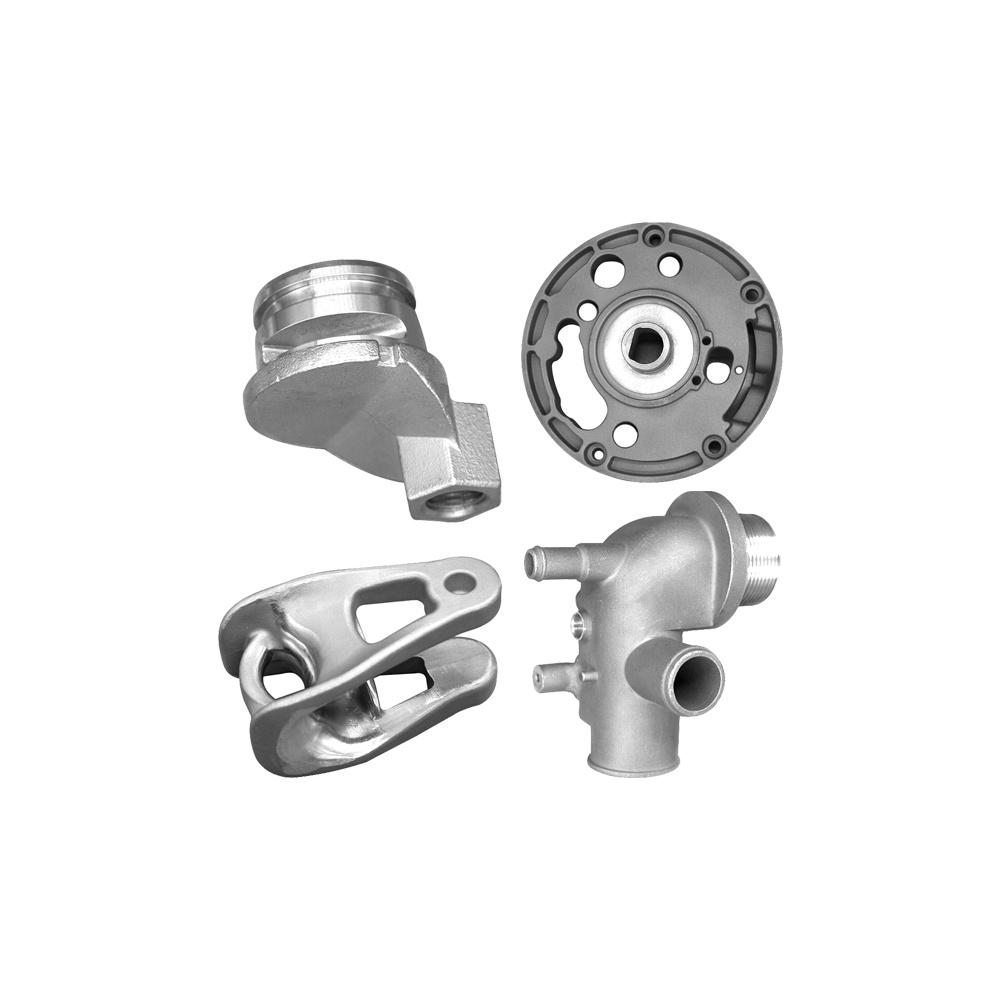
Understanding CNC Turning and Milling Parts: A Comprehensive Guide for Precision Manufacturing
CNC (Computer Numerical Control) turning and milling are essential processes in the realm of precision manufacturing. These techniques are widely employed in the machining industry for producing intricate components that meet strict tolerances and specifications. Understanding the fundamentals of CNC turning and milling parts can enhance your knowledge of how these processes contribute to quality
2025-12-09 12:10
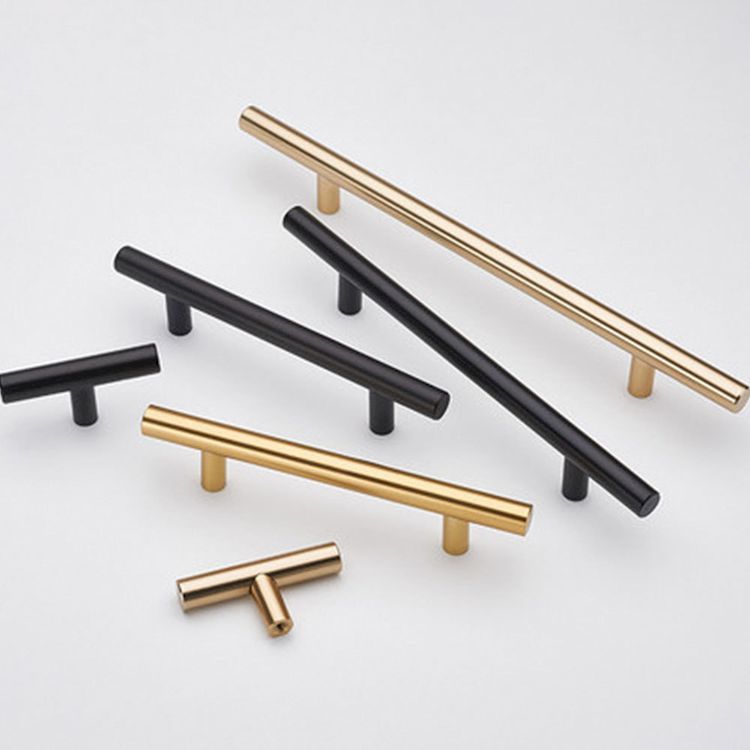
A Comprehensive Guide to Household Appliances Maintenance: Keep Your Home Running Smoothly
A Comprehensive Guide to Household Appliances Maintenance Household appliances are the backbone of modern living, providing convenience and efficiency in our daily routines. However, just like any other mechanical devices, they require regular maintenance to function optimally. In this guide, we will explore various household appliances, their maintenance needs, and practical tips to extend their
Let’s Talk
We can help you figure out your needs.