
 Esperanto
 Shqiptare
 Euskara
 Zulu
Zulu
 Latinus
 Cymraeg
 தமிழ்
தமிழ்
 Slovak
 Slovak
 Afrikaans

How to Choose the Right CNC Turning & Milling Parts for Your Project
Release time:
2023-12-02
Source:
Introduction
Understanding CNC Turning & Milling Parts
What are CNC Turning Parts?
What are CNC Milling Parts?
Importance of Choosing the Right CNC Turning & Milling Parts
Factors to Consider when Selecting CNC Turning & Milling Parts
1. Material
2. Precision
3. Cost
4. Lead Time
Tips for Choosing the Right CNC Turning & Milling Parts
1. Define Your Project Requirements
2. Research Potential Suppliers
3. Request Samples and Test Runs
4. Evaluate Quality Control Processes
5. Consider Supplier Experience and Reputation
How to Choose the Right CNC Turning & Milling Parts for Your Project
Introduction
When it comes to manufacturing and processing machinery, CNC turning and milling parts play a crucial role. These parts are essential for various industries, including automotive, aerospace, electronics, and more. Selecting the right CNC turning and milling parts is crucial to ensure the success of your project. In this article, we will guide you through the process of choosing the perfect parts for your specific project requirements.
Understanding CNC Turning & Milling Parts
Before diving into the selection process, let's take a moment to understand what CNC turning and milling parts are.
What are CNC Turning Parts?
CNC turning is a machining process that involves rotating a workpiece against a cutting tool to remove material and create the desired shape. CNC turning parts are typically cylindrical or round in shape and are commonly used in applications where rotational symmetry is required.
What are CNC Milling Parts?
On the other hand, CNC milling is a machining process that uses rotary cutters to remove material from a workpiece. Unlike CNC turning, CNC milling parts can have complex shapes and contours. The milling machine moves the cutting tool in different directions to achieve the desired shape.
Importance of Choosing the Right CNC Turning & Milling Parts
Selecting the right CNC turning and milling parts is vital for the success of your project. The quality and precision of the parts directly impact the overall performance and functionality of the end product. Using inferior or ill-fitting parts can lead to operational issues, decreased efficiency, and even safety concerns. Therefore, it is crucial to choose the right parts that meet your project requirements and specifications.
Factors to Consider when Selecting CNC Turning & Milling Parts
To ensure you choose the right CNC turning and milling parts for your project, consider the following factors:
1. Material
The choice of material for CNC turning and milling parts depends on the specific application and requirements. Different materials have varying properties, such as strength, durability, and heat resistance. Common materials used include aluminum, steel, brass, and plastics. Evaluate the material options based on your project's needs to ensure optimal performance and longevity.
2. Precision
Precision is of utmost importance when it comes to CNC turning and milling parts. The level of precision required for your project depends on factors such as tolerances, dimensions, and surface finish. Ensure that the suppliers you consider have the capabilities to meet your desired level of precision.
3. Cost
Cost is a critical factor in any project, and CNC turning and milling parts are no exception. Consider your budget and compare the prices offered by different suppliers. However, be cautious not to compromise quality for the sake of cost. Finding the right balance between affordability and quality is key.
4. Lead Time
The lead time is the time required for the production and delivery of the CNC turning and milling parts. Consider your project's timeline and deadlines when choosing a supplier. Ensure that they can deliver the parts within your required timeframe to avoid any delays in your project.
Tips for Choosing the Right CNC Turning & Milling Parts
Now that you understand the key factors to consider let's explore some helpful tips for selecting the right CNC turning and milling parts:
1. Define Your Project Requirements
Before reaching out to potential suppliers, clearly define your project requirements. Determine the specific dimensions, tolerances, surface finish, and material preferences. Having a clear understanding of your project needs will help you communicate effectively with suppliers and ensure they can meet your expectations.
2. Research Potential Suppliers
Do thorough research and identify potential suppliers who specialize in CNC turning and milling parts. Look for companies with a solid reputation, extensive experience, and positive customer reviews. Consider their capabilities, certifications, and quality control processes. Shortlist at least three suppliers to compare and request quotes.
3. Request Samples and Test Runs
To assess the quality and compatibility of the CNC turning and milling parts, request samples from the shortlisted suppliers. Conduct test runs to evaluate the performance, precision, and overall fit of the parts. This will give you firsthand experience with the supplier's products and help you make an informed decision.
4. Evaluate Quality Control Processes
Ensure that the suppliers you consider have robust quality control processes in place. This includes inspections, measurements, and adherence to industry standards. Ask for information about their quality control procedures and certifications to ensure that you receive high-quality parts.
5. Consider Supplier Experience and Reputation
Experience and reputation are crucial when selecting CNC turning and milling parts suppliers. Look for companies with a proven track record in delivering high-quality parts and excellent customer service. Consider their industry experience and the range of projects they have successfully completed.
Conclusion
Choosing the right CNC turning and milling parts for your project is a critical decision that can significantly impact its success. By considering factors such as material, precision, cost, and lead time, you can make an informed choice. Remember to define your project requirements, research potential suppliers, and evaluate their quality control processes. With these guidelines, you can confidently select the perfect CNC turning and milling parts that meet your project's needs and specifications.
What are CNC Turning Parts?
What are CNC Milling Parts?
Importance of Choosing the Right CNC Turning & Milling Parts
Factors to Consider when Selecting CNC Turning & Milling Parts
1. Material
2. Precision
3. Cost
4. Lead Time
Tips for Choosing the Right CNC Turning & Milling Parts
1. Define Your Project Requirements
2. Research Potential Suppliers
3. Request Samples and Test Runs
4. Evaluate Quality Control Processes
5. Consider Supplier Experience and Reputation
How to Choose the Right CNC Turning & Milling Parts for Your Project
Introduction
When it comes to manufacturing and processing machinery, CNC turning and milling parts play a crucial role. These parts are essential for various industries, including automotive, aerospace, electronics, and more. Selecting the right CNC turning and milling parts is crucial to ensure the success of your project. In this article, we will guide you through the process of choosing the perfect parts for your specific project requirements.
Understanding CNC Turning & Milling Parts
Before diving into the selection process, let's take a moment to understand what CNC turning and milling parts are.
What are CNC Turning Parts?
CNC turning is a machining process that involves rotating a workpiece against a cutting tool to remove material and create the desired shape. CNC turning parts are typically cylindrical or round in shape and are commonly used in applications where rotational symmetry is required.
What are CNC Milling Parts?
On the other hand, CNC milling is a machining process that uses rotary cutters to remove material from a workpiece. Unlike CNC turning, CNC milling parts can have complex shapes and contours. The milling machine moves the cutting tool in different directions to achieve the desired shape.
Importance of Choosing the Right CNC Turning & Milling Parts
Selecting the right CNC turning and milling parts is vital for the success of your project. The quality and precision of the parts directly impact the overall performance and functionality of the end product. Using inferior or ill-fitting parts can lead to operational issues, decreased efficiency, and even safety concerns. Therefore, it is crucial to choose the right parts that meet your project requirements and specifications.
Factors to Consider when Selecting CNC Turning & Milling Parts
To ensure you choose the right CNC turning and milling parts for your project, consider the following factors:
1. Material
The choice of material for CNC turning and milling parts depends on the specific application and requirements. Different materials have varying properties, such as strength, durability, and heat resistance. Common materials used include aluminum, steel, brass, and plastics. Evaluate the material options based on your project's needs to ensure optimal performance and longevity.
2. Precision
Precision is of utmost importance when it comes to CNC turning and milling parts. The level of precision required for your project depends on factors such as tolerances, dimensions, and surface finish. Ensure that the suppliers you consider have the capabilities to meet your desired level of precision.
3. Cost
Cost is a critical factor in any project, and CNC turning and milling parts are no exception. Consider your budget and compare the prices offered by different suppliers. However, be cautious not to compromise quality for the sake of cost. Finding the right balance between affordability and quality is key.
4. Lead Time
The lead time is the time required for the production and delivery of the CNC turning and milling parts. Consider your project's timeline and deadlines when choosing a supplier. Ensure that they can deliver the parts within your required timeframe to avoid any delays in your project.
Tips for Choosing the Right CNC Turning & Milling Parts
Now that you understand the key factors to consider let's explore some helpful tips for selecting the right CNC turning and milling parts:
1. Define Your Project Requirements
Before reaching out to potential suppliers, clearly define your project requirements. Determine the specific dimensions, tolerances, surface finish, and material preferences. Having a clear understanding of your project needs will help you communicate effectively with suppliers and ensure they can meet your expectations.
2. Research Potential Suppliers
Do thorough research and identify potential suppliers who specialize in CNC turning and milling parts. Look for companies with a solid reputation, extensive experience, and positive customer reviews. Consider their capabilities, certifications, and quality control processes. Shortlist at least three suppliers to compare and request quotes.
3. Request Samples and Test Runs
To assess the quality and compatibility of the CNC turning and milling parts, request samples from the shortlisted suppliers. Conduct test runs to evaluate the performance, precision, and overall fit of the parts. This will give you firsthand experience with the supplier's products and help you make an informed decision.
4. Evaluate Quality Control Processes
Ensure that the suppliers you consider have robust quality control processes in place. This includes inspections, measurements, and adherence to industry standards. Ask for information about their quality control procedures and certifications to ensure that you receive high-quality parts.
5. Consider Supplier Experience and Reputation
Experience and reputation are crucial when selecting CNC turning and milling parts suppliers. Look for companies with a proven track record in delivering high-quality parts and excellent customer service. Consider their industry experience and the range of projects they have successfully completed.
Conclusion
Choosing the right CNC turning and milling parts for your project is a critical decision that can significantly impact its success. By considering factors such as material, precision, cost, and lead time, you can make an informed choice. Remember to define your project requirements, research potential suppliers, and evaluate their quality control processes. With these guidelines, you can confidently select the perfect CNC turning and milling parts that meet your project's needs and specifications.
Importance of Choosing the Right CNC Turning & Milling Parts
Factors to Consider when Selecting CNC Turning & Milling Parts
1. Material
2. Precision
3. Cost
4. Lead Time
Tips for Choosing the Right CNC Turning & Milling Parts
1. Define Your Project Requirements
2. Research Potential Suppliers
3. Request Samples and Test Runs
4. Evaluate Quality Control Processes
5. Consider Supplier Experience and Reputation
How to Choose the Right CNC Turning & Milling Parts for Your Project
Introduction
When it comes to manufacturing and processing machinery, CNC turning and milling parts play a crucial role. These parts are essential for various industries, including automotive, aerospace, electronics, and more. Selecting the right CNC turning and milling parts is crucial to ensure the success of your project. In this article, we will guide you through the process of choosing the perfect parts for your specific project requirements.
Understanding CNC Turning & Milling Parts
Before diving into the selection process, let's take a moment to understand what CNC turning and milling parts are.
What are CNC Turning Parts?
CNC turning is a machining process that involves rotating a workpiece against a cutting tool to remove material and create the desired shape. CNC turning parts are typically cylindrical or round in shape and are commonly used in applications where rotational symmetry is required.
What are CNC Milling Parts?
On the other hand, CNC milling is a machining process that uses rotary cutters to remove material from a workpiece. Unlike CNC turning, CNC milling parts can have complex shapes and contours. The milling machine moves the cutting tool in different directions to achieve the desired shape.
Importance of Choosing the Right CNC Turning & Milling Parts
Selecting the right CNC turning and milling parts is vital for the success of your project. The quality and precision of the parts directly impact the overall performance and functionality of the end product. Using inferior or ill-fitting parts can lead to operational issues, decreased efficiency, and even safety concerns. Therefore, it is crucial to choose the right parts that meet your project requirements and specifications.
Factors to Consider when Selecting CNC Turning & Milling Parts
To ensure you choose the right CNC turning and milling parts for your project, consider the following factors:
1. Material
The choice of material for CNC turning and milling parts depends on the specific application and requirements. Different materials have varying properties, such as strength, durability, and heat resistance. Common materials used include aluminum, steel, brass, and plastics. Evaluate the material options based on your project's needs to ensure optimal performance and longevity.
2. Precision
Precision is of utmost importance when it comes to CNC turning and milling parts. The level of precision required for your project depends on factors such as tolerances, dimensions, and surface finish. Ensure that the suppliers you consider have the capabilities to meet your desired level of precision.
3. Cost
Cost is a critical factor in any project, and CNC turning and milling parts are no exception. Consider your budget and compare the prices offered by different suppliers. However, be cautious not to compromise quality for the sake of cost. Finding the right balance between affordability and quality is key.
4. Lead Time
The lead time is the time required for the production and delivery of the CNC turning and milling parts. Consider your project's timeline and deadlines when choosing a supplier. Ensure that they can deliver the parts within your required timeframe to avoid any delays in your project.
Tips for Choosing the Right CNC Turning & Milling Parts
Now that you understand the key factors to consider let's explore some helpful tips for selecting the right CNC turning and milling parts:
1. Define Your Project Requirements
Before reaching out to potential suppliers, clearly define your project requirements. Determine the specific dimensions, tolerances, surface finish, and material preferences. Having a clear understanding of your project needs will help you communicate effectively with suppliers and ensure they can meet your expectations.
2. Research Potential Suppliers
Do thorough research and identify potential suppliers who specialize in CNC turning and milling parts. Look for companies with a solid reputation, extensive experience, and positive customer reviews. Consider their capabilities, certifications, and quality control processes. Shortlist at least three suppliers to compare and request quotes.
3. Request Samples and Test Runs
To assess the quality and compatibility of the CNC turning and milling parts, request samples from the shortlisted suppliers. Conduct test runs to evaluate the performance, precision, and overall fit of the parts. This will give you firsthand experience with the supplier's products and help you make an informed decision.
4. Evaluate Quality Control Processes
Ensure that the suppliers you consider have robust quality control processes in place. This includes inspections, measurements, and adherence to industry standards. Ask for information about their quality control procedures and certifications to ensure that you receive high-quality parts.
5. Consider Supplier Experience and Reputation
Experience and reputation are crucial when selecting CNC turning and milling parts suppliers. Look for companies with a proven track record in delivering high-quality parts and excellent customer service. Consider their industry experience and the range of projects they have successfully completed.
Conclusion
Choosing the right CNC turning and milling parts for your project is a critical decision that can significantly impact its success. By considering factors such as material, precision, cost, and lead time, you can make an informed choice. Remember to define your project requirements, research potential suppliers, and evaluate their quality control processes. With these guidelines, you can confidently select the perfect CNC turning and milling parts that meet your project's needs and specifications.
1. Material
2. Precision
3. Cost
4. Lead Time
Tips for Choosing the Right CNC Turning & Milling Parts
1. Define Your Project Requirements
2. Research Potential Suppliers
3. Request Samples and Test Runs
4. Evaluate Quality Control Processes
5. Consider Supplier Experience and Reputation
How to Choose the Right CNC Turning & Milling Parts for Your Project
Introduction
When it comes to manufacturing and processing machinery, CNC turning and milling parts play a crucial role. These parts are essential for various industries, including automotive, aerospace, electronics, and more. Selecting the right CNC turning and milling parts is crucial to ensure the success of your project. In this article, we will guide you through the process of choosing the perfect parts for your specific project requirements.
Understanding CNC Turning & Milling Parts
Before diving into the selection process, let's take a moment to understand what CNC turning and milling parts are.
What are CNC Turning Parts?
CNC turning is a machining process that involves rotating a workpiece against a cutting tool to remove material and create the desired shape. CNC turning parts are typically cylindrical or round in shape and are commonly used in applications where rotational symmetry is required.
What are CNC Milling Parts?
On the other hand, CNC milling is a machining process that uses rotary cutters to remove material from a workpiece. Unlike CNC turning, CNC milling parts can have complex shapes and contours. The milling machine moves the cutting tool in different directions to achieve the desired shape.
Importance of Choosing the Right CNC Turning & Milling Parts
Selecting the right CNC turning and milling parts is vital for the success of your project. The quality and precision of the parts directly impact the overall performance and functionality of the end product. Using inferior or ill-fitting parts can lead to operational issues, decreased efficiency, and even safety concerns. Therefore, it is crucial to choose the right parts that meet your project requirements and specifications.
Factors to Consider when Selecting CNC Turning & Milling Parts
To ensure you choose the right CNC turning and milling parts for your project, consider the following factors:
1. Material
The choice of material for CNC turning and milling parts depends on the specific application and requirements. Different materials have varying properties, such as strength, durability, and heat resistance. Common materials used include aluminum, steel, brass, and plastics. Evaluate the material options based on your project's needs to ensure optimal performance and longevity.
2. Precision
Precision is of utmost importance when it comes to CNC turning and milling parts. The level of precision required for your project depends on factors such as tolerances, dimensions, and surface finish. Ensure that the suppliers you consider have the capabilities to meet your desired level of precision.
3. Cost
Cost is a critical factor in any project, and CNC turning and milling parts are no exception. Consider your budget and compare the prices offered by different suppliers. However, be cautious not to compromise quality for the sake of cost. Finding the right balance between affordability and quality is key.
4. Lead Time
The lead time is the time required for the production and delivery of the CNC turning and milling parts. Consider your project's timeline and deadlines when choosing a supplier. Ensure that they can deliver the parts within your required timeframe to avoid any delays in your project.
Tips for Choosing the Right CNC Turning & Milling Parts
Now that you understand the key factors to consider let's explore some helpful tips for selecting the right CNC turning and milling parts:
1. Define Your Project Requirements
Before reaching out to potential suppliers, clearly define your project requirements. Determine the specific dimensions, tolerances, surface finish, and material preferences. Having a clear understanding of your project needs will help you communicate effectively with suppliers and ensure they can meet your expectations.
2. Research Potential Suppliers
Do thorough research and identify potential suppliers who specialize in CNC turning and milling parts. Look for companies with a solid reputation, extensive experience, and positive customer reviews. Consider their capabilities, certifications, and quality control processes. Shortlist at least three suppliers to compare and request quotes.
3. Request Samples and Test Runs
To assess the quality and compatibility of the CNC turning and milling parts, request samples from the shortlisted suppliers. Conduct test runs to evaluate the performance, precision, and overall fit of the parts. This will give you firsthand experience with the supplier's products and help you make an informed decision.
4. Evaluate Quality Control Processes
Ensure that the suppliers you consider have robust quality control processes in place. This includes inspections, measurements, and adherence to industry standards. Ask for information about their quality control procedures and certifications to ensure that you receive high-quality parts.
5. Consider Supplier Experience and Reputation
Experience and reputation are crucial when selecting CNC turning and milling parts suppliers. Look for companies with a proven track record in delivering high-quality parts and excellent customer service. Consider their industry experience and the range of projects they have successfully completed.
Conclusion
Choosing the right CNC turning and milling parts for your project is a critical decision that can significantly impact its success. By considering factors such as material, precision, cost, and lead time, you can make an informed choice. Remember to define your project requirements, research potential suppliers, and evaluate their quality control processes. With these guidelines, you can confidently select the perfect CNC turning and milling parts that meet your project's needs and specifications.
3. Cost
4. Lead Time
Tips for Choosing the Right CNC Turning & Milling Parts
1. Define Your Project Requirements
2. Research Potential Suppliers
3. Request Samples and Test Runs
4. Evaluate Quality Control Processes
5. Consider Supplier Experience and Reputation
How to Choose the Right CNC Turning & Milling Parts for Your Project
Introduction
When it comes to manufacturing and processing machinery, CNC turning and milling parts play a crucial role. These parts are essential for various industries, including automotive, aerospace, electronics, and more. Selecting the right CNC turning and milling parts is crucial to ensure the success of your project. In this article, we will guide you through the process of choosing the perfect parts for your specific project requirements.
Understanding CNC Turning & Milling Parts
Before diving into the selection process, let's take a moment to understand what CNC turning and milling parts are.
What are CNC Turning Parts?
CNC turning is a machining process that involves rotating a workpiece against a cutting tool to remove material and create the desired shape. CNC turning parts are typically cylindrical or round in shape and are commonly used in applications where rotational symmetry is required.
What are CNC Milling Parts?
On the other hand, CNC milling is a machining process that uses rotary cutters to remove material from a workpiece. Unlike CNC turning, CNC milling parts can have complex shapes and contours. The milling machine moves the cutting tool in different directions to achieve the desired shape.
Importance of Choosing the Right CNC Turning & Milling Parts
Selecting the right CNC turning and milling parts is vital for the success of your project. The quality and precision of the parts directly impact the overall performance and functionality of the end product. Using inferior or ill-fitting parts can lead to operational issues, decreased efficiency, and even safety concerns. Therefore, it is crucial to choose the right parts that meet your project requirements and specifications.
Factors to Consider when Selecting CNC Turning & Milling Parts
To ensure you choose the right CNC turning and milling parts for your project, consider the following factors:
1. Material
The choice of material for CNC turning and milling parts depends on the specific application and requirements. Different materials have varying properties, such as strength, durability, and heat resistance. Common materials used include aluminum, steel, brass, and plastics. Evaluate the material options based on your project's needs to ensure optimal performance and longevity.
2. Precision
Precision is of utmost importance when it comes to CNC turning and milling parts. The level of precision required for your project depends on factors such as tolerances, dimensions, and surface finish. Ensure that the suppliers you consider have the capabilities to meet your desired level of precision.
3. Cost
Cost is a critical factor in any project, and CNC turning and milling parts are no exception. Consider your budget and compare the prices offered by different suppliers. However, be cautious not to compromise quality for the sake of cost. Finding the right balance between affordability and quality is key.
4. Lead Time
The lead time is the time required for the production and delivery of the CNC turning and milling parts. Consider your project's timeline and deadlines when choosing a supplier. Ensure that they can deliver the parts within your required timeframe to avoid any delays in your project.
Tips for Choosing the Right CNC Turning & Milling Parts
Now that you understand the key factors to consider let's explore some helpful tips for selecting the right CNC turning and milling parts:
1. Define Your Project Requirements
Before reaching out to potential suppliers, clearly define your project requirements. Determine the specific dimensions, tolerances, surface finish, and material preferences. Having a clear understanding of your project needs will help you communicate effectively with suppliers and ensure they can meet your expectations.
2. Research Potential Suppliers
Do thorough research and identify potential suppliers who specialize in CNC turning and milling parts. Look for companies with a solid reputation, extensive experience, and positive customer reviews. Consider their capabilities, certifications, and quality control processes. Shortlist at least three suppliers to compare and request quotes.
3. Request Samples and Test Runs
To assess the quality and compatibility of the CNC turning and milling parts, request samples from the shortlisted suppliers. Conduct test runs to evaluate the performance, precision, and overall fit of the parts. This will give you firsthand experience with the supplier's products and help you make an informed decision.
4. Evaluate Quality Control Processes
Ensure that the suppliers you consider have robust quality control processes in place. This includes inspections, measurements, and adherence to industry standards. Ask for information about their quality control procedures and certifications to ensure that you receive high-quality parts.
5. Consider Supplier Experience and Reputation
Experience and reputation are crucial when selecting CNC turning and milling parts suppliers. Look for companies with a proven track record in delivering high-quality parts and excellent customer service. Consider their industry experience and the range of projects they have successfully completed.
Conclusion
Choosing the right CNC turning and milling parts for your project is a critical decision that can significantly impact its success. By considering factors such as material, precision, cost, and lead time, you can make an informed choice. Remember to define your project requirements, research potential suppliers, and evaluate their quality control processes. With these guidelines, you can confidently select the perfect CNC turning and milling parts that meet your project's needs and specifications.
Tips for Choosing the Right CNC Turning & Milling Parts
1. Define Your Project Requirements
2. Research Potential Suppliers
3. Request Samples and Test Runs
4. Evaluate Quality Control Processes
5. Consider Supplier Experience and Reputation
How to Choose the Right CNC Turning & Milling Parts for Your Project
Introduction
When it comes to manufacturing and processing machinery, CNC turning and milling parts play a crucial role. These parts are essential for various industries, including automotive, aerospace, electronics, and more. Selecting the right CNC turning and milling parts is crucial to ensure the success of your project. In this article, we will guide you through the process of choosing the perfect parts for your specific project requirements.
Understanding CNC Turning & Milling Parts
Before diving into the selection process, let's take a moment to understand what CNC turning and milling parts are.
What are CNC Turning Parts?
CNC turning is a machining process that involves rotating a workpiece against a cutting tool to remove material and create the desired shape. CNC turning parts are typically cylindrical or round in shape and are commonly used in applications where rotational symmetry is required.
What are CNC Milling Parts?
On the other hand, CNC milling is a machining process that uses rotary cutters to remove material from a workpiece. Unlike CNC turning, CNC milling parts can have complex shapes and contours. The milling machine moves the cutting tool in different directions to achieve the desired shape.
Importance of Choosing the Right CNC Turning & Milling Parts
Selecting the right CNC turning and milling parts is vital for the success of your project. The quality and precision of the parts directly impact the overall performance and functionality of the end product. Using inferior or ill-fitting parts can lead to operational issues, decreased efficiency, and even safety concerns. Therefore, it is crucial to choose the right parts that meet your project requirements and specifications.
Factors to Consider when Selecting CNC Turning & Milling Parts
To ensure you choose the right CNC turning and milling parts for your project, consider the following factors:
1. Material
The choice of material for CNC turning and milling parts depends on the specific application and requirements. Different materials have varying properties, such as strength, durability, and heat resistance. Common materials used include aluminum, steel, brass, and plastics. Evaluate the material options based on your project's needs to ensure optimal performance and longevity.
2. Precision
Precision is of utmost importance when it comes to CNC turning and milling parts. The level of precision required for your project depends on factors such as tolerances, dimensions, and surface finish. Ensure that the suppliers you consider have the capabilities to meet your desired level of precision.
3. Cost
Cost is a critical factor in any project, and CNC turning and milling parts are no exception. Consider your budget and compare the prices offered by different suppliers. However, be cautious not to compromise quality for the sake of cost. Finding the right balance between affordability and quality is key.
4. Lead Time
The lead time is the time required for the production and delivery of the CNC turning and milling parts. Consider your project's timeline and deadlines when choosing a supplier. Ensure that they can deliver the parts within your required timeframe to avoid any delays in your project.
Tips for Choosing the Right CNC Turning & Milling Parts
Now that you understand the key factors to consider let's explore some helpful tips for selecting the right CNC turning and milling parts:
1. Define Your Project Requirements
Before reaching out to potential suppliers, clearly define your project requirements. Determine the specific dimensions, tolerances, surface finish, and material preferences. Having a clear understanding of your project needs will help you communicate effectively with suppliers and ensure they can meet your expectations.
2. Research Potential Suppliers
Do thorough research and identify potential suppliers who specialize in CNC turning and milling parts. Look for companies with a solid reputation, extensive experience, and positive customer reviews. Consider their capabilities, certifications, and quality control processes. Shortlist at least three suppliers to compare and request quotes.
3. Request Samples and Test Runs
To assess the quality and compatibility of the CNC turning and milling parts, request samples from the shortlisted suppliers. Conduct test runs to evaluate the performance, precision, and overall fit of the parts. This will give you firsthand experience with the supplier's products and help you make an informed decision.
4. Evaluate Quality Control Processes
Ensure that the suppliers you consider have robust quality control processes in place. This includes inspections, measurements, and adherence to industry standards. Ask for information about their quality control procedures and certifications to ensure that you receive high-quality parts.
5. Consider Supplier Experience and Reputation
Experience and reputation are crucial when selecting CNC turning and milling parts suppliers. Look for companies with a proven track record in delivering high-quality parts and excellent customer service. Consider their industry experience and the range of projects they have successfully completed.
Conclusion
Choosing the right CNC turning and milling parts for your project is a critical decision that can significantly impact its success. By considering factors such as material, precision, cost, and lead time, you can make an informed choice. Remember to define your project requirements, research potential suppliers, and evaluate their quality control processes. With these guidelines, you can confidently select the perfect CNC turning and milling parts that meet your project's needs and specifications.
2. Research Potential Suppliers
3. Request Samples and Test Runs
4. Evaluate Quality Control Processes
5. Consider Supplier Experience and Reputation
How to Choose the Right CNC Turning & Milling Parts for Your Project
Introduction
When it comes to manufacturing and processing machinery, CNC turning and milling parts play a crucial role. These parts are essential for various industries, including automotive, aerospace, electronics, and more. Selecting the right CNC turning and milling parts is crucial to ensure the success of your project. In this article, we will guide you through the process of choosing the perfect parts for your specific project requirements.
Understanding CNC Turning & Milling Parts
Before diving into the selection process, let's take a moment to understand what CNC turning and milling parts are.
What are CNC Turning Parts?
CNC turning is a machining process that involves rotating a workpiece against a cutting tool to remove material and create the desired shape. CNC turning parts are typically cylindrical or round in shape and are commonly used in applications where rotational symmetry is required.
What are CNC Milling Parts?
On the other hand, CNC milling is a machining process that uses rotary cutters to remove material from a workpiece. Unlike CNC turning, CNC milling parts can have complex shapes and contours. The milling machine moves the cutting tool in different directions to achieve the desired shape.
Importance of Choosing the Right CNC Turning & Milling Parts
Selecting the right CNC turning and milling parts is vital for the success of your project. The quality and precision of the parts directly impact the overall performance and functionality of the end product. Using inferior or ill-fitting parts can lead to operational issues, decreased efficiency, and even safety concerns. Therefore, it is crucial to choose the right parts that meet your project requirements and specifications.
Factors to Consider when Selecting CNC Turning & Milling Parts
To ensure you choose the right CNC turning and milling parts for your project, consider the following factors:
1. Material
The choice of material for CNC turning and milling parts depends on the specific application and requirements. Different materials have varying properties, such as strength, durability, and heat resistance. Common materials used include aluminum, steel, brass, and plastics. Evaluate the material options based on your project's needs to ensure optimal performance and longevity.
2. Precision
Precision is of utmost importance when it comes to CNC turning and milling parts. The level of precision required for your project depends on factors such as tolerances, dimensions, and surface finish. Ensure that the suppliers you consider have the capabilities to meet your desired level of precision.
3. Cost
Cost is a critical factor in any project, and CNC turning and milling parts are no exception. Consider your budget and compare the prices offered by different suppliers. However, be cautious not to compromise quality for the sake of cost. Finding the right balance between affordability and quality is key.
4. Lead Time
The lead time is the time required for the production and delivery of the CNC turning and milling parts. Consider your project's timeline and deadlines when choosing a supplier. Ensure that they can deliver the parts within your required timeframe to avoid any delays in your project.
Tips for Choosing the Right CNC Turning & Milling Parts
Now that you understand the key factors to consider let's explore some helpful tips for selecting the right CNC turning and milling parts:
1. Define Your Project Requirements
Before reaching out to potential suppliers, clearly define your project requirements. Determine the specific dimensions, tolerances, surface finish, and material preferences. Having a clear understanding of your project needs will help you communicate effectively with suppliers and ensure they can meet your expectations.
2. Research Potential Suppliers
Do thorough research and identify potential suppliers who specialize in CNC turning and milling parts. Look for companies with a solid reputation, extensive experience, and positive customer reviews. Consider their capabilities, certifications, and quality control processes. Shortlist at least three suppliers to compare and request quotes.
3. Request Samples and Test Runs
To assess the quality and compatibility of the CNC turning and milling parts, request samples from the shortlisted suppliers. Conduct test runs to evaluate the performance, precision, and overall fit of the parts. This will give you firsthand experience with the supplier's products and help you make an informed decision.
4. Evaluate Quality Control Processes
Ensure that the suppliers you consider have robust quality control processes in place. This includes inspections, measurements, and adherence to industry standards. Ask for information about their quality control procedures and certifications to ensure that you receive high-quality parts.
5. Consider Supplier Experience and Reputation
Experience and reputation are crucial when selecting CNC turning and milling parts suppliers. Look for companies with a proven track record in delivering high-quality parts and excellent customer service. Consider their industry experience and the range of projects they have successfully completed.
Conclusion
Choosing the right CNC turning and milling parts for your project is a critical decision that can significantly impact its success. By considering factors such as material, precision, cost, and lead time, you can make an informed choice. Remember to define your project requirements, research potential suppliers, and evaluate their quality control processes. With these guidelines, you can confidently select the perfect CNC turning and milling parts that meet your project's needs and specifications.
4. Evaluate Quality Control Processes
5. Consider Supplier Experience and Reputation
How to Choose the Right CNC Turning & Milling Parts for Your Project
Introduction
When it comes to manufacturing and processing machinery, CNC turning and milling parts play a crucial role. These parts are essential for various industries, including automotive, aerospace, electronics, and more. Selecting the right CNC turning and milling parts is crucial to ensure the success of your project. In this article, we will guide you through the process of choosing the perfect parts for your specific project requirements.
Understanding CNC Turning & Milling Parts
Before diving into the selection process, let's take a moment to understand what CNC turning and milling parts are.
What are CNC Turning Parts?
CNC turning is a machining process that involves rotating a workpiece against a cutting tool to remove material and create the desired shape. CNC turning parts are typically cylindrical or round in shape and are commonly used in applications where rotational symmetry is required.
What are CNC Milling Parts?
On the other hand, CNC milling is a machining process that uses rotary cutters to remove material from a workpiece. Unlike CNC turning, CNC milling parts can have complex shapes and contours. The milling machine moves the cutting tool in different directions to achieve the desired shape.
Importance of Choosing the Right CNC Turning & Milling Parts
Selecting the right CNC turning and milling parts is vital for the success of your project. The quality and precision of the parts directly impact the overall performance and functionality of the end product. Using inferior or ill-fitting parts can lead to operational issues, decreased efficiency, and even safety concerns. Therefore, it is crucial to choose the right parts that meet your project requirements and specifications.
Factors to Consider when Selecting CNC Turning & Milling Parts
To ensure you choose the right CNC turning and milling parts for your project, consider the following factors:
1. Material
The choice of material for CNC turning and milling parts depends on the specific application and requirements. Different materials have varying properties, such as strength, durability, and heat resistance. Common materials used include aluminum, steel, brass, and plastics. Evaluate the material options based on your project's needs to ensure optimal performance and longevity.
2. Precision
Precision is of utmost importance when it comes to CNC turning and milling parts. The level of precision required for your project depends on factors such as tolerances, dimensions, and surface finish. Ensure that the suppliers you consider have the capabilities to meet your desired level of precision.
3. Cost
Cost is a critical factor in any project, and CNC turning and milling parts are no exception. Consider your budget and compare the prices offered by different suppliers. However, be cautious not to compromise quality for the sake of cost. Finding the right balance between affordability and quality is key.
4. Lead Time
The lead time is the time required for the production and delivery of the CNC turning and milling parts. Consider your project's timeline and deadlines when choosing a supplier. Ensure that they can deliver the parts within your required timeframe to avoid any delays in your project.
Tips for Choosing the Right CNC Turning & Milling Parts
Now that you understand the key factors to consider let's explore some helpful tips for selecting the right CNC turning and milling parts:
1. Define Your Project Requirements
Before reaching out to potential suppliers, clearly define your project requirements. Determine the specific dimensions, tolerances, surface finish, and material preferences. Having a clear understanding of your project needs will help you communicate effectively with suppliers and ensure they can meet your expectations.
2. Research Potential Suppliers
Do thorough research and identify potential suppliers who specialize in CNC turning and milling parts. Look for companies with a solid reputation, extensive experience, and positive customer reviews. Consider their capabilities, certifications, and quality control processes. Shortlist at least three suppliers to compare and request quotes.
3. Request Samples and Test Runs
To assess the quality and compatibility of the CNC turning and milling parts, request samples from the shortlisted suppliers. Conduct test runs to evaluate the performance, precision, and overall fit of the parts. This will give you firsthand experience with the supplier's products and help you make an informed decision.
4. Evaluate Quality Control Processes
Ensure that the suppliers you consider have robust quality control processes in place. This includes inspections, measurements, and adherence to industry standards. Ask for information about their quality control procedures and certifications to ensure that you receive high-quality parts.
5. Consider Supplier Experience and Reputation
Experience and reputation are crucial when selecting CNC turning and milling parts suppliers. Look for companies with a proven track record in delivering high-quality parts and excellent customer service. Consider their industry experience and the range of projects they have successfully completed.
Conclusion
Choosing the right CNC turning and milling parts for your project is a critical decision that can significantly impact its success. By considering factors such as material, precision, cost, and lead time, you can make an informed choice. Remember to define your project requirements, research potential suppliers, and evaluate their quality control processes. With these guidelines, you can confidently select the perfect CNC turning and milling parts that meet your project's needs and specifications.
How to Choose the Right CNC Turning & Milling Parts for Your Project
Introduction
When it comes to manufacturing and processing machinery, CNC turning and milling parts play a crucial role. These parts are essential for various industries, including automotive, aerospace, electronics, and more. Selecting the right CNC turning and milling parts is crucial to ensure the success of your project. In this article, we will guide you through the process of choosing the perfect parts for your specific project requirements.
Understanding CNC Turning & Milling Parts
Before diving into the selection process, let's take a moment to understand what CNC turning and milling parts are.
What are CNC Turning Parts?
CNC turning is a machining process that involves rotating a workpiece against a cutting tool to remove material and create the desired shape. CNC turning parts are typically cylindrical or round in shape and are commonly used in applications where rotational symmetry is required.
What are CNC Milling Parts?
On the other hand, CNC milling is a machining process that uses rotary cutters to remove material from a workpiece. Unlike CNC turning, CNC milling parts can have complex shapes and contours. The milling machine moves the cutting tool in different directions to achieve the desired shape.
Importance of Choosing the Right CNC Turning & Milling Parts
Selecting the right CNC turning and milling parts is vital for the success of your project. The quality and precision of the parts directly impact the overall performance and functionality of the end product. Using inferior or ill-fitting parts can lead to operational issues, decreased efficiency, and even safety concerns. Therefore, it is crucial to choose the right parts that meet your project requirements and specifications.
Factors to Consider when Selecting CNC Turning & Milling Parts
To ensure you choose the right CNC turning and milling parts for your project, consider the following factors:
1. Material
The choice of material for CNC turning and milling parts depends on the specific application and requirements. Different materials have varying properties, such as strength, durability, and heat resistance. Common materials used include aluminum, steel, brass, and plastics. Evaluate the material options based on your project's needs to ensure optimal performance and longevity.
2. Precision
Precision is of utmost importance when it comes to CNC turning and milling parts. The level of precision required for your project depends on factors such as tolerances, dimensions, and surface finish. Ensure that the suppliers you consider have the capabilities to meet your desired level of precision.
3. Cost
Cost is a critical factor in any project, and CNC turning and milling parts are no exception. Consider your budget and compare the prices offered by different suppliers. However, be cautious not to compromise quality for the sake of cost. Finding the right balance between affordability and quality is key.
4. Lead Time
The lead time is the time required for the production and delivery of the CNC turning and milling parts. Consider your project's timeline and deadlines when choosing a supplier. Ensure that they can deliver the parts within your required timeframe to avoid any delays in your project.
Tips for Choosing the Right CNC Turning & Milling Parts
Now that you understand the key factors to consider let's explore some helpful tips for selecting the right CNC turning and milling parts:
1. Define Your Project Requirements
Before reaching out to potential suppliers, clearly define your project requirements. Determine the specific dimensions, tolerances, surface finish, and material preferences. Having a clear understanding of your project needs will help you communicate effectively with suppliers and ensure they can meet your expectations.
2. Research Potential Suppliers
Do thorough research and identify potential suppliers who specialize in CNC turning and milling parts. Look for companies with a solid reputation, extensive experience, and positive customer reviews. Consider their capabilities, certifications, and quality control processes. Shortlist at least three suppliers to compare and request quotes.
3. Request Samples and Test Runs
To assess the quality and compatibility of the CNC turning and milling parts, request samples from the shortlisted suppliers. Conduct test runs to evaluate the performance, precision, and overall fit of the parts. This will give you firsthand experience with the supplier's products and help you make an informed decision.
4. Evaluate Quality Control Processes
Ensure that the suppliers you consider have robust quality control processes in place. This includes inspections, measurements, and adherence to industry standards. Ask for information about their quality control procedures and certifications to ensure that you receive high-quality parts.
5. Consider Supplier Experience and Reputation
Experience and reputation are crucial when selecting CNC turning and milling parts suppliers. Look for companies with a proven track record in delivering high-quality parts and excellent customer service. Consider their industry experience and the range of projects they have successfully completed.
Conclusion
Choosing the right CNC turning and milling parts for your project is a critical decision that can significantly impact its success. By considering factors such as material, precision, cost, and lead time, you can make an informed choice. Remember to define your project requirements, research potential suppliers, and evaluate their quality control processes. With these guidelines, you can confidently select the perfect CNC turning and milling parts that meet your project's needs and specifications.
When it comes to manufacturing and processing machinery, CNC turning and milling parts play a crucial role. These parts are essential for various industries, including automotive, aerospace, electronics, and more. Selecting the right CNC turning and milling parts is crucial to ensure the success of your project. In this article, we will guide you through the process of choosing the perfect parts for your specific project requirements.
Understanding CNC Turning & Milling Parts
Before diving into the selection process, let's take a moment to understand what CNC turning and milling parts are.
What are CNC Turning Parts?
CNC turning is a machining process that involves rotating a workpiece against a cutting tool to remove material and create the desired shape. CNC turning parts are typically cylindrical or round in shape and are commonly used in applications where rotational symmetry is required.
What are CNC Milling Parts?
On the other hand, CNC milling is a machining process that uses rotary cutters to remove material from a workpiece. Unlike CNC turning, CNC milling parts can have complex shapes and contours. The milling machine moves the cutting tool in different directions to achieve the desired shape.
Importance of Choosing the Right CNC Turning & Milling Parts
Selecting the right CNC turning and milling parts is vital for the success of your project. The quality and precision of the parts directly impact the overall performance and functionality of the end product. Using inferior or ill-fitting parts can lead to operational issues, decreased efficiency, and even safety concerns. Therefore, it is crucial to choose the right parts that meet your project requirements and specifications.
Factors to Consider when Selecting CNC Turning & Milling Parts
To ensure you choose the right CNC turning and milling parts for your project, consider the following factors:
1. Material
The choice of material for CNC turning and milling parts depends on the specific application and requirements. Different materials have varying properties, such as strength, durability, and heat resistance. Common materials used include aluminum, steel, brass, and plastics. Evaluate the material options based on your project's needs to ensure optimal performance and longevity.
2. Precision
Precision is of utmost importance when it comes to CNC turning and milling parts. The level of precision required for your project depends on factors such as tolerances, dimensions, and surface finish. Ensure that the suppliers you consider have the capabilities to meet your desired level of precision.
3. Cost
Cost is a critical factor in any project, and CNC turning and milling parts are no exception. Consider your budget and compare the prices offered by different suppliers. However, be cautious not to compromise quality for the sake of cost. Finding the right balance between affordability and quality is key.
4. Lead Time
The lead time is the time required for the production and delivery of the CNC turning and milling parts. Consider your project's timeline and deadlines when choosing a supplier. Ensure that they can deliver the parts within your required timeframe to avoid any delays in your project.
Tips for Choosing the Right CNC Turning & Milling Parts
Now that you understand the key factors to consider let's explore some helpful tips for selecting the right CNC turning and milling parts:
1. Define Your Project Requirements
Before reaching out to potential suppliers, clearly define your project requirements. Determine the specific dimensions, tolerances, surface finish, and material preferences. Having a clear understanding of your project needs will help you communicate effectively with suppliers and ensure they can meet your expectations.
2. Research Potential Suppliers
Do thorough research and identify potential suppliers who specialize in CNC turning and milling parts. Look for companies with a solid reputation, extensive experience, and positive customer reviews. Consider their capabilities, certifications, and quality control processes. Shortlist at least three suppliers to compare and request quotes.
3. Request Samples and Test Runs
To assess the quality and compatibility of the CNC turning and milling parts, request samples from the shortlisted suppliers. Conduct test runs to evaluate the performance, precision, and overall fit of the parts. This will give you firsthand experience with the supplier's products and help you make an informed decision.
4. Evaluate Quality Control Processes
Ensure that the suppliers you consider have robust quality control processes in place. This includes inspections, measurements, and adherence to industry standards. Ask for information about their quality control procedures and certifications to ensure that you receive high-quality parts.
5. Consider Supplier Experience and Reputation
Experience and reputation are crucial when selecting CNC turning and milling parts suppliers. Look for companies with a proven track record in delivering high-quality parts and excellent customer service. Consider their industry experience and the range of projects they have successfully completed.
Conclusion
Choosing the right CNC turning and milling parts for your project is a critical decision that can significantly impact its success. By considering factors such as material, precision, cost, and lead time, you can make an informed choice. Remember to define your project requirements, research potential suppliers, and evaluate their quality control processes. With these guidelines, you can confidently select the perfect CNC turning and milling parts that meet your project's needs and specifications.
CNC turning is a machining process that involves rotating a workpiece against a cutting tool to remove material and create the desired shape. CNC turning parts are typically cylindrical or round in shape and are commonly used in applications where rotational symmetry is required.
What are CNC Milling Parts?
On the other hand, CNC milling is a machining process that uses rotary cutters to remove material from a workpiece. Unlike CNC turning, CNC milling parts can have complex shapes and contours. The milling machine moves the cutting tool in different directions to achieve the desired shape.
Importance of Choosing the Right CNC Turning & Milling Parts
Selecting the right CNC turning and milling parts is vital for the success of your project. The quality and precision of the parts directly impact the overall performance and functionality of the end product. Using inferior or ill-fitting parts can lead to operational issues, decreased efficiency, and even safety concerns. Therefore, it is crucial to choose the right parts that meet your project requirements and specifications.
Factors to Consider when Selecting CNC Turning & Milling Parts
To ensure you choose the right CNC turning and milling parts for your project, consider the following factors:
1. Material
The choice of material for CNC turning and milling parts depends on the specific application and requirements. Different materials have varying properties, such as strength, durability, and heat resistance. Common materials used include aluminum, steel, brass, and plastics. Evaluate the material options based on your project's needs to ensure optimal performance and longevity.
2. Precision
Precision is of utmost importance when it comes to CNC turning and milling parts. The level of precision required for your project depends on factors such as tolerances, dimensions, and surface finish. Ensure that the suppliers you consider have the capabilities to meet your desired level of precision.
3. Cost
Cost is a critical factor in any project, and CNC turning and milling parts are no exception. Consider your budget and compare the prices offered by different suppliers. However, be cautious not to compromise quality for the sake of cost. Finding the right balance between affordability and quality is key.
4. Lead Time
The lead time is the time required for the production and delivery of the CNC turning and milling parts. Consider your project's timeline and deadlines when choosing a supplier. Ensure that they can deliver the parts within your required timeframe to avoid any delays in your project.
Tips for Choosing the Right CNC Turning & Milling Parts
Now that you understand the key factors to consider let's explore some helpful tips for selecting the right CNC turning and milling parts:
1. Define Your Project Requirements
Before reaching out to potential suppliers, clearly define your project requirements. Determine the specific dimensions, tolerances, surface finish, and material preferences. Having a clear understanding of your project needs will help you communicate effectively with suppliers and ensure they can meet your expectations.
2. Research Potential Suppliers
Do thorough research and identify potential suppliers who specialize in CNC turning and milling parts. Look for companies with a solid reputation, extensive experience, and positive customer reviews. Consider their capabilities, certifications, and quality control processes. Shortlist at least three suppliers to compare and request quotes.
3. Request Samples and Test Runs
To assess the quality and compatibility of the CNC turning and milling parts, request samples from the shortlisted suppliers. Conduct test runs to evaluate the performance, precision, and overall fit of the parts. This will give you firsthand experience with the supplier's products and help you make an informed decision.
4. Evaluate Quality Control Processes
Ensure that the suppliers you consider have robust quality control processes in place. This includes inspections, measurements, and adherence to industry standards. Ask for information about their quality control procedures and certifications to ensure that you receive high-quality parts.
5. Consider Supplier Experience and Reputation
Experience and reputation are crucial when selecting CNC turning and milling parts suppliers. Look for companies with a proven track record in delivering high-quality parts and excellent customer service. Consider their industry experience and the range of projects they have successfully completed.
Conclusion
Choosing the right CNC turning and milling parts for your project is a critical decision that can significantly impact its success. By considering factors such as material, precision, cost, and lead time, you can make an informed choice. Remember to define your project requirements, research potential suppliers, and evaluate their quality control processes. With these guidelines, you can confidently select the perfect CNC turning and milling parts that meet your project's needs and specifications.
Selecting the right CNC turning and milling parts is vital for the success of your project. The quality and precision of the parts directly impact the overall performance and functionality of the end product. Using inferior or ill-fitting parts can lead to operational issues, decreased efficiency, and even safety concerns. Therefore, it is crucial to choose the right parts that meet your project requirements and specifications.
Factors to Consider when Selecting CNC Turning & Milling Parts
To ensure you choose the right CNC turning and milling parts for your project, consider the following factors:
1. Material
The choice of material for CNC turning and milling parts depends on the specific application and requirements. Different materials have varying properties, such as strength, durability, and heat resistance. Common materials used include aluminum, steel, brass, and plastics. Evaluate the material options based on your project's needs to ensure optimal performance and longevity.
2. Precision
Precision is of utmost importance when it comes to CNC turning and milling parts. The level of precision required for your project depends on factors such as tolerances, dimensions, and surface finish. Ensure that the suppliers you consider have the capabilities to meet your desired level of precision.
3. Cost
Cost is a critical factor in any project, and CNC turning and milling parts are no exception. Consider your budget and compare the prices offered by different suppliers. However, be cautious not to compromise quality for the sake of cost. Finding the right balance between affordability and quality is key.
4. Lead Time
The lead time is the time required for the production and delivery of the CNC turning and milling parts. Consider your project's timeline and deadlines when choosing a supplier. Ensure that they can deliver the parts within your required timeframe to avoid any delays in your project.
Tips for Choosing the Right CNC Turning & Milling Parts
Now that you understand the key factors to consider let's explore some helpful tips for selecting the right CNC turning and milling parts:
1. Define Your Project Requirements
Before reaching out to potential suppliers, clearly define your project requirements. Determine the specific dimensions, tolerances, surface finish, and material preferences. Having a clear understanding of your project needs will help you communicate effectively with suppliers and ensure they can meet your expectations.
2. Research Potential Suppliers
Do thorough research and identify potential suppliers who specialize in CNC turning and milling parts. Look for companies with a solid reputation, extensive experience, and positive customer reviews. Consider their capabilities, certifications, and quality control processes. Shortlist at least three suppliers to compare and request quotes.
3. Request Samples and Test Runs
To assess the quality and compatibility of the CNC turning and milling parts, request samples from the shortlisted suppliers. Conduct test runs to evaluate the performance, precision, and overall fit of the parts. This will give you firsthand experience with the supplier's products and help you make an informed decision.
4. Evaluate Quality Control Processes
Ensure that the suppliers you consider have robust quality control processes in place. This includes inspections, measurements, and adherence to industry standards. Ask for information about their quality control procedures and certifications to ensure that you receive high-quality parts.
5. Consider Supplier Experience and Reputation
Experience and reputation are crucial when selecting CNC turning and milling parts suppliers. Look for companies with a proven track record in delivering high-quality parts and excellent customer service. Consider their industry experience and the range of projects they have successfully completed.
Conclusion
Choosing the right CNC turning and milling parts for your project is a critical decision that can significantly impact its success. By considering factors such as material, precision, cost, and lead time, you can make an informed choice. Remember to define your project requirements, research potential suppliers, and evaluate their quality control processes. With these guidelines, you can confidently select the perfect CNC turning and milling parts that meet your project's needs and specifications.
The choice of material for CNC turning and milling parts depends on the specific application and requirements. Different materials have varying properties, such as strength, durability, and heat resistance. Common materials used include aluminum, steel, brass, and plastics. Evaluate the material options based on your project's needs to ensure optimal performance and longevity.
2. Precision
Precision is of utmost importance when it comes to CNC turning and milling parts. The level of precision required for your project depends on factors such as tolerances, dimensions, and surface finish. Ensure that the suppliers you consider have the capabilities to meet your desired level of precision.
3. Cost
Cost is a critical factor in any project, and CNC turning and milling parts are no exception. Consider your budget and compare the prices offered by different suppliers. However, be cautious not to compromise quality for the sake of cost. Finding the right balance between affordability and quality is key.
4. Lead Time
The lead time is the time required for the production and delivery of the CNC turning and milling parts. Consider your project's timeline and deadlines when choosing a supplier. Ensure that they can deliver the parts within your required timeframe to avoid any delays in your project.
Tips for Choosing the Right CNC Turning & Milling Parts
Now that you understand the key factors to consider let's explore some helpful tips for selecting the right CNC turning and milling parts:
1. Define Your Project Requirements
Before reaching out to potential suppliers, clearly define your project requirements. Determine the specific dimensions, tolerances, surface finish, and material preferences. Having a clear understanding of your project needs will help you communicate effectively with suppliers and ensure they can meet your expectations.
2. Research Potential Suppliers
Do thorough research and identify potential suppliers who specialize in CNC turning and milling parts. Look for companies with a solid reputation, extensive experience, and positive customer reviews. Consider their capabilities, certifications, and quality control processes. Shortlist at least three suppliers to compare and request quotes.
3. Request Samples and Test Runs
To assess the quality and compatibility of the CNC turning and milling parts, request samples from the shortlisted suppliers. Conduct test runs to evaluate the performance, precision, and overall fit of the parts. This will give you firsthand experience with the supplier's products and help you make an informed decision.
4. Evaluate Quality Control Processes
Ensure that the suppliers you consider have robust quality control processes in place. This includes inspections, measurements, and adherence to industry standards. Ask for information about their quality control procedures and certifications to ensure that you receive high-quality parts.
5. Consider Supplier Experience and Reputation
Experience and reputation are crucial when selecting CNC turning and milling parts suppliers. Look for companies with a proven track record in delivering high-quality parts and excellent customer service. Consider their industry experience and the range of projects they have successfully completed.
Conclusion
Choosing the right CNC turning and milling parts for your project is a critical decision that can significantly impact its success. By considering factors such as material, precision, cost, and lead time, you can make an informed choice. Remember to define your project requirements, research potential suppliers, and evaluate their quality control processes. With these guidelines, you can confidently select the perfect CNC turning and milling parts that meet your project's needs and specifications.
Cost is a critical factor in any project, and CNC turning and milling parts are no exception. Consider your budget and compare the prices offered by different suppliers. However, be cautious not to compromise quality for the sake of cost. Finding the right balance between affordability and quality is key.
4. Lead Time
The lead time is the time required for the production and delivery of the CNC turning and milling parts. Consider your project's timeline and deadlines when choosing a supplier. Ensure that they can deliver the parts within your required timeframe to avoid any delays in your project.
Tips for Choosing the Right CNC Turning & Milling Parts
Now that you understand the key factors to consider let's explore some helpful tips for selecting the right CNC turning and milling parts:
1. Define Your Project Requirements
Before reaching out to potential suppliers, clearly define your project requirements. Determine the specific dimensions, tolerances, surface finish, and material preferences. Having a clear understanding of your project needs will help you communicate effectively with suppliers and ensure they can meet your expectations.
2. Research Potential Suppliers
Do thorough research and identify potential suppliers who specialize in CNC turning and milling parts. Look for companies with a solid reputation, extensive experience, and positive customer reviews. Consider their capabilities, certifications, and quality control processes. Shortlist at least three suppliers to compare and request quotes.
3. Request Samples and Test Runs
To assess the quality and compatibility of the CNC turning and milling parts, request samples from the shortlisted suppliers. Conduct test runs to evaluate the performance, precision, and overall fit of the parts. This will give you firsthand experience with the supplier's products and help you make an informed decision.
4. Evaluate Quality Control Processes
Ensure that the suppliers you consider have robust quality control processes in place. This includes inspections, measurements, and adherence to industry standards. Ask for information about their quality control procedures and certifications to ensure that you receive high-quality parts.
5. Consider Supplier Experience and Reputation
Experience and reputation are crucial when selecting CNC turning and milling parts suppliers. Look for companies with a proven track record in delivering high-quality parts and excellent customer service. Consider their industry experience and the range of projects they have successfully completed.
Conclusion
Choosing the right CNC turning and milling parts for your project is a critical decision that can significantly impact its success. By considering factors such as material, precision, cost, and lead time, you can make an informed choice. Remember to define your project requirements, research potential suppliers, and evaluate their quality control processes. With these guidelines, you can confidently select the perfect CNC turning and milling parts that meet your project's needs and specifications.
Now that you understand the key factors to consider let's explore some helpful tips for selecting the right CNC turning and milling parts:
1. Define Your Project Requirements
Before reaching out to potential suppliers, clearly define your project requirements. Determine the specific dimensions, tolerances, surface finish, and material preferences. Having a clear understanding of your project needs will help you communicate effectively with suppliers and ensure they can meet your expectations.
2. Research Potential Suppliers
Do thorough research and identify potential suppliers who specialize in CNC turning and milling parts. Look for companies with a solid reputation, extensive experience, and positive customer reviews. Consider their capabilities, certifications, and quality control processes. Shortlist at least three suppliers to compare and request quotes.
3. Request Samples and Test Runs
To assess the quality and compatibility of the CNC turning and milling parts, request samples from the shortlisted suppliers. Conduct test runs to evaluate the performance, precision, and overall fit of the parts. This will give you firsthand experience with the supplier's products and help you make an informed decision.
4. Evaluate Quality Control Processes
Ensure that the suppliers you consider have robust quality control processes in place. This includes inspections, measurements, and adherence to industry standards. Ask for information about their quality control procedures and certifications to ensure that you receive high-quality parts.
5. Consider Supplier Experience and Reputation
Experience and reputation are crucial when selecting CNC turning and milling parts suppliers. Look for companies with a proven track record in delivering high-quality parts and excellent customer service. Consider their industry experience and the range of projects they have successfully completed.
Conclusion
Choosing the right CNC turning and milling parts for your project is a critical decision that can significantly impact its success. By considering factors such as material, precision, cost, and lead time, you can make an informed choice. Remember to define your project requirements, research potential suppliers, and evaluate their quality control processes. With these guidelines, you can confidently select the perfect CNC turning and milling parts that meet your project's needs and specifications.
Do thorough research and identify potential suppliers who specialize in CNC turning and milling parts. Look for companies with a solid reputation, extensive experience, and positive customer reviews. Consider their capabilities, certifications, and quality control processes. Shortlist at least three suppliers to compare and request quotes.
3. Request Samples and Test Runs
To assess the quality and compatibility of the CNC turning and milling parts, request samples from the shortlisted suppliers. Conduct test runs to evaluate the performance, precision, and overall fit of the parts. This will give you firsthand experience with the supplier's products and help you make an informed decision.
4. Evaluate Quality Control Processes
Ensure that the suppliers you consider have robust quality control processes in place. This includes inspections, measurements, and adherence to industry standards. Ask for information about their quality control procedures and certifications to ensure that you receive high-quality parts.
5. Consider Supplier Experience and Reputation
Experience and reputation are crucial when selecting CNC turning and milling parts suppliers. Look for companies with a proven track record in delivering high-quality parts and excellent customer service. Consider their industry experience and the range of projects they have successfully completed.
Conclusion
Choosing the right CNC turning and milling parts for your project is a critical decision that can significantly impact its success. By considering factors such as material, precision, cost, and lead time, you can make an informed choice. Remember to define your project requirements, research potential suppliers, and evaluate their quality control processes. With these guidelines, you can confidently select the perfect CNC turning and milling parts that meet your project's needs and specifications.
Ensure that the suppliers you consider have robust quality control processes in place. This includes inspections, measurements, and adherence to industry standards. Ask for information about their quality control procedures and certifications to ensure that you receive high-quality parts.
5. Consider Supplier Experience and Reputation
Experience and reputation are crucial when selecting CNC turning and milling parts suppliers. Look for companies with a proven track record in delivering high-quality parts and excellent customer service. Consider their industry experience and the range of projects they have successfully completed.
Conclusion
Choosing the right CNC turning and milling parts for your project is a critical decision that can significantly impact its success. By considering factors such as material, precision, cost, and lead time, you can make an informed choice. Remember to define your project requirements, research potential suppliers, and evaluate their quality control processes. With these guidelines, you can confidently select the perfect CNC turning and milling parts that meet your project's needs and specifications.
Choosing the right CNC turning and milling parts for your project is a critical decision that can significantly impact its success. By considering factors such as material, precision, cost, and lead time, you can make an informed choice. Remember to define your project requirements, research potential suppliers, and evaluate their quality control processes. With these guidelines, you can confidently select the perfect CNC turning and milling parts that meet your project's needs and specifications.
cnc turning & milling part
Related News
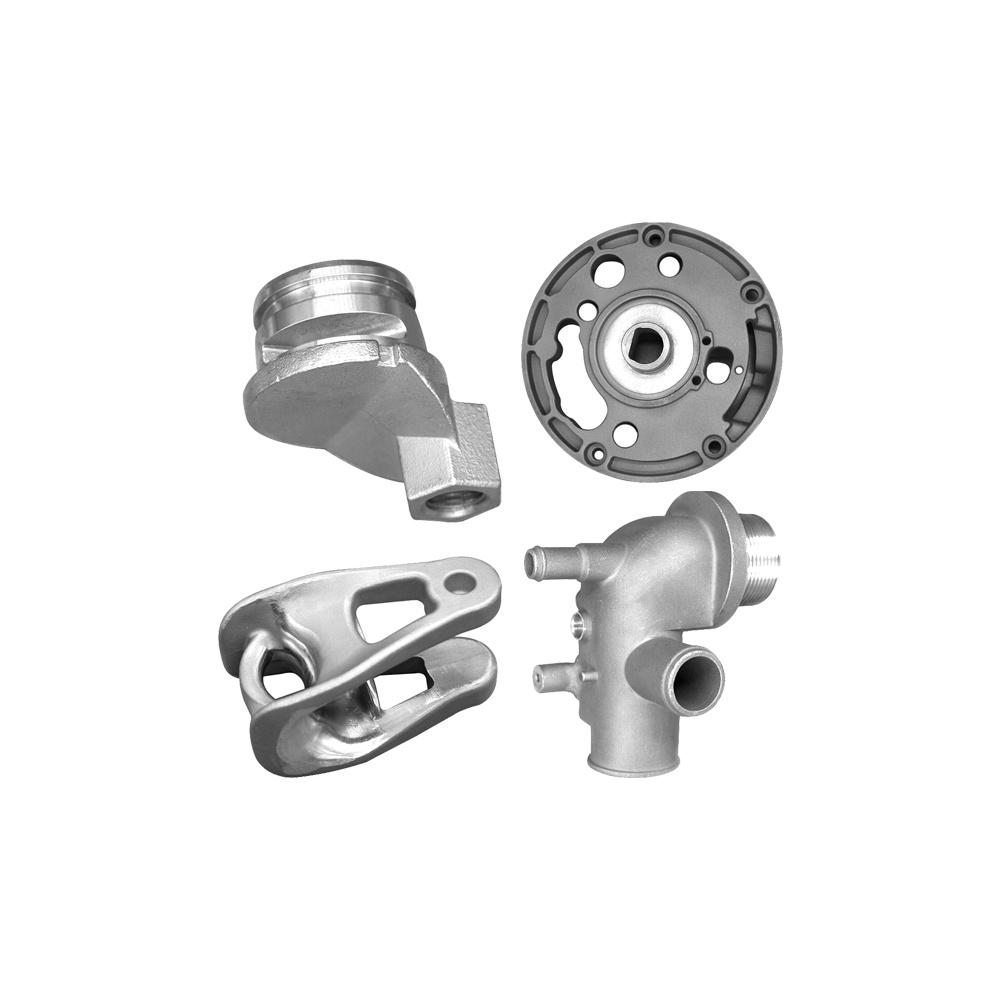
2025-12-14 12:00
Understanding CNC Turning and Milling Parts: A Comprehensive Guide for Precision Manufacturing
CNC (Computer Numerical Control) turning and milling are essential processes in the realm of precision manufacturing. These techniques are widely employed in the machining industry for producing intricate components that meet strict tolerances and specifications. Understanding the fundamentals of CNC turning and milling parts can enhance your knowledge of how these processes contribute to quality
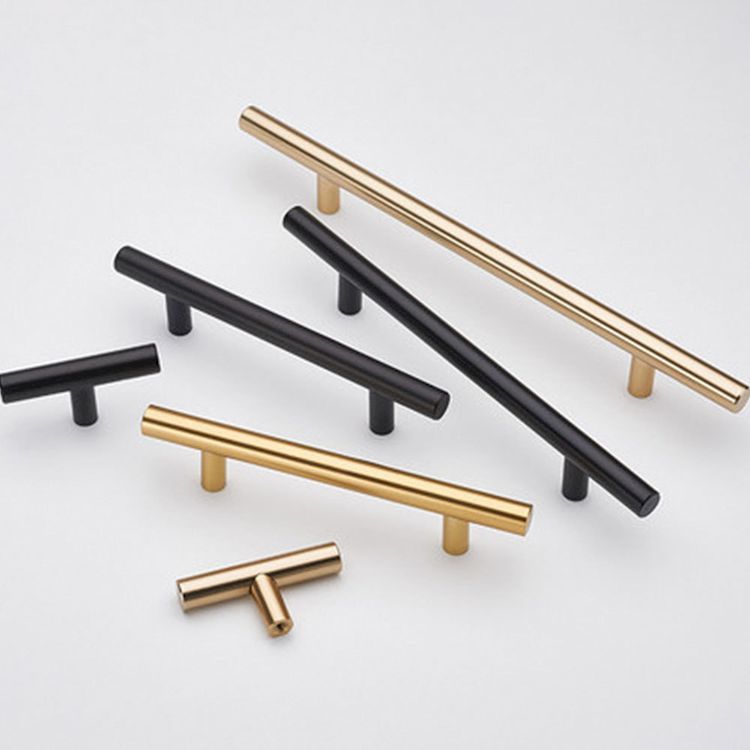
2025-12-09 12:10
A Comprehensive Guide to Household Appliances Maintenance: Keep Your Home Running Smoothly
A Comprehensive Guide to Household Appliances Maintenance Household appliances are the backbone of modern living, providing convenience and efficiency in our daily routines. However, just like any other mechanical devices, they require regular maintenance to function optimally. In this guide, we will explore various household appliances, their maintenance needs, and practical tips to extend their
Let’s Talk
We can help you figure out your needs.