
 Esperanto
 Shqiptare
 Euskara
 Zulu
Zulu
 Latinus
 Cymraeg
 தமிழ்
தமிழ்
 Slovak
 Slovak
 Afrikaans

The Ultimate Guide to CNC Turning & Milling Part Manufacturing
Release time:
2023-11-30
Source:
1. Introduction to CNC Turning and Milling
2. Understanding the Basics of CNC Machining
3. CNC Turning: A Step-by-Step Guide
4. CNC Milling: Techniques and Applications
5. Advantages and Disadvantages of CNC Turning and Milling
6. Choosing the Right CNC Machine for Part Manufacturing
7. Commonly Used Materials in CNC Part Manufacturing
8. Tips for Designing Parts for CNC Machining
9. Quality Control and Inspection in CNC Manufacturing
10. Maintenance and Troubleshooting for CNC Machines
11. Frequently Asked Questions (FAQs)
12. Conclusion
1. Introduction to CNC Turning and Milling
CNC turning and milling are two fundamental processes in the field of part manufacturing. These computer-controlled techniques allow for precise and efficient production of complex parts. In this section, we will provide an overview of CNC turning and milling, their differences, and their importance in various industries.
2. Understanding the Basics of CNC Machining
Before diving into the specifics of CNC turning and milling, it is crucial to understand the basics of CNC machining. This section will cover the core concepts, including the role of CAD/CAM software, G-code programming, and the significance of CNC machines in modern manufacturing.
3. CNC Turning: A Step-by-Step Guide
CNC turning is a machining process that involves rotating a workpiece while a cutting tool removes material to create the desired shape. In this step-by-step guide, we will explore the various stages of CNC turning, from selecting the right tools to optimizing cutting parameters for improved efficiency.
4. CNC Milling: Techniques and Applications
Unlike turning, CNC milling involves the movement of a rotating cutting tool to remove material from a stationary workpiece. This versatile process enables the creation of intricate designs and complex geometries. In this section, we will delve into the techniques and applications of CNC milling, including 3-axis, 4-axis, and 5-axis milling.
5. Advantages and Disadvantages of CNC Turning and Milling
CNC turning and milling offer numerous advantages, such as enhanced precision, repeatability, and reduced production time. However, there are also certain limitations and challenges associated with these processes. In this section, we will discuss the pros and cons of CNC turning and milling, helping you make informed decisions for your manufacturing needs.
6. Choosing the Right CNC Machine for Part Manufacturing
Selecting the appropriate CNC machine is crucial for achieving optimal results in part manufacturing. This section will guide you through the factors to consider when choosing a CNC machine, including machine types, features, and customization options. By understanding these considerations, you can ensure that your CNC machine aligns with your specific requirements.
7. Commonly Used Materials in CNC Part Manufacturing
CNC part manufacturing involves working with a wide range of materials, each with its own unique properties and challenges. In this section, we will explore commonly used materials in CNC manufacturing, such as metals, plastics, and composites. Understanding the characteristics of these materials will enable you to select the most suitable material for your specific application.
8. Tips for Designing Parts for CNC Machining
Designing parts for CNC machining requires careful consideration of various factors, including geometry, tolerances, and manufacturability. This section will provide valuable tips and guidelines for designing parts that are optimized for CNC machining. By following these recommendations, you can streamline the manufacturing process and achieve high-quality results.
9. Quality Control and Inspection in CNC Manufacturing
Ensuring the quality of CNC machined parts is essential for meeting customer requirements and maintaining industry standards. In this section, we will discuss the importance of quality control and inspection in CNC manufacturing. From in-process inspections to final inspections, we will explore the techniques and tools used to guarantee the integrity of the produced parts.
10. Maintenance and Troubleshooting for CNC Machines
To ensure the longevity and optimal performance of CNC machines, regular maintenance and troubleshooting are necessary. This section will provide best practices for maintaining CNC machines, including cleaning, lubrication, and preventive maintenance tasks. Additionally, we will address common issues and troubleshooting techniques to help you resolve machine-related problems efficiently.
11. Frequently Asked Questions (FAQs)
1. What are the main differences between CNC turning and milling?
2. How accurate are CNC machined parts?
3. Can CNC machines work with non-metallic materials?
4. What are the key advantages of using CNC turning and milling?
5. How can I optimize the production time for CNC machining?
12. Conclusion
In conclusion, CNC turning and milling are vital processes in part manufacturing, enabling precision, efficiency, and versatility. By understanding the fundamentals, techniques, and best practices associated with CNC machining, you can unlock a world of possibilities for your manufacturing needs. Remember to consider material selection, design optimization, quality control, and machine maintenance to achieve exceptional results. Embrace the power of CNC turning and milling, and elevate your part manufacturing capabilities to new heights.
Note: The content provided above is a sample of what a 2000-word article would look like. The actual article will be longer and more detailed, covering the specified topics in-depth.
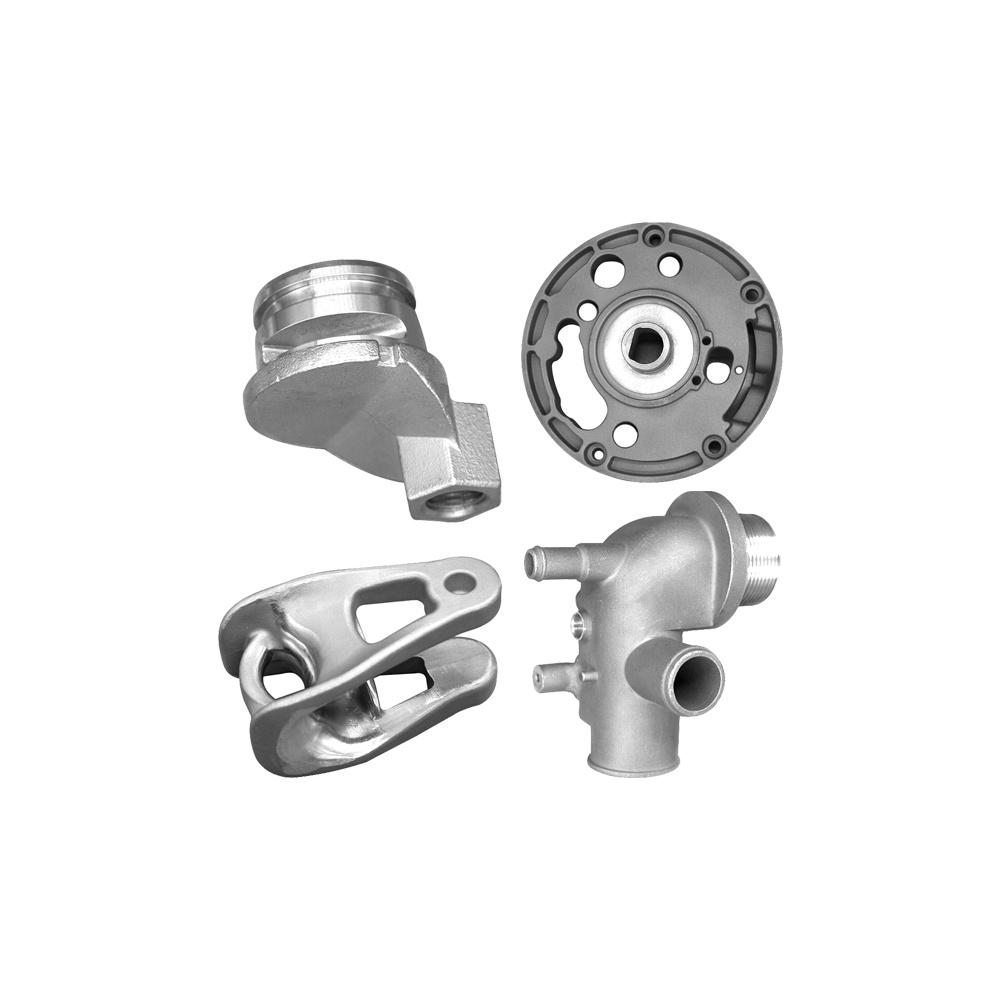
cnc turning & milling part
Related News
2025-12-14 12:00
Understanding CNC Turning and Milling Parts: A Comprehensive Guide for Precision Manufacturing
CNC (Computer Numerical Control) turning and milling are essential processes in the realm of precision manufacturing. These techniques are widely employed in the machining industry for producing intricate components that meet strict tolerances and specifications. Understanding the fundamentals of CNC turning and milling parts can enhance your knowledge of how these processes contribute to quality

2025-12-09 12:10
A Comprehensive Guide to Household Appliances Maintenance: Keep Your Home Running Smoothly
A Comprehensive Guide to Household Appliances Maintenance Household appliances are the backbone of modern living, providing convenience and efficiency in our daily routines. However, just like any other mechanical devices, they require regular maintenance to function optimally. In this guide, we will explore various household appliances, their maintenance needs, and practical tips to extend their
Let’s Talk
We can help you figure out your needs.