
 Esperanto
 Shqiptare
 Euskara
 Zulu
Zulu
 Latinus
 Cymraeg
 தமிழ்
தமிழ்
 Slovak
 Slovak
 Afrikaans

Choosing the Right Bushings and Rings for Your Industrial Equipment
Release time:
2023-11-20
Source:
1. Introduction
2. Understanding the Importance of Bushings and Rings
3. Factors to Consider When Choosing Bushings and Rings
4. Common Types of Bushings and Rings
4.1. Sleeve Bushings
4.2. Flanged Bushings
4.3. Thrust Washers
4.4. O-Rings
5. Installation Tips for Bushings and Rings
5.1. Proper Measurement and Fit
5.2. Lubrication Requirements
5.3. Correct Installation Techniques
6. FAQs (Frequently Asked Questions)
6.1. How do I determine the right size of bushing or ring for my equipment?
6.2. Can I reuse old bushings and rings?
6.3. What are the signs of worn-out bushings or rings?
6.4. What lubricants are recommended for bushings and rings?
6.5. How often should bushings and rings be replaced?
7. Conclusion
1. Introduction
Industrial equipment relies on various components to function efficiently, and bushings and rings play a crucial role in ensuring smooth operations. This article will guide you through the process of selecting the right bushings and rings for your equipment, providing valuable insights into their importance, factors to consider, common types, installation tips, and more.
2. Understanding the Importance of Bushings and Rings
Bushings and rings act as bearings, reducing friction, and preventing metal-to-metal contact between moving parts in industrial equipment. They provide stability, absorb shock and vibration, and help distribute loads evenly, thus extending the lifespan of the equipment. Choosing the appropriate bushings and rings for your machinery is vital to maintain optimal performance and avoid costly breakdowns.
3. Factors to Consider When Choosing Bushings and Rings
When selecting bushings and rings for your industrial equipment, several factors must be taken into account. These include:
- Load capacity: Determine the maximum load your equipment will experience to choose bushings and rings that can withstand the required weight.
- Temperature and environment: Consider the operating temperature and environmental conditions to select materials that can withstand extreme heat, cold, moisture, or corrosive substances.
- Speed and friction: Assess the rotational speed and friction levels to ensure the chosen bushings and rings can handle the anticipated conditions.
- Lubrication requirements: Different bushings and rings may have varying lubrication needs, depending on the application and operating conditions.
- Cost and availability: Consider the budget and availability of the desired bushings and rings, ensuring they align with your requirements.
4. Common Types of Bushings and Rings
There are several common types of bushings and rings available, each with its unique characteristics and applications. These include:
4.1. Sleeve Bushings
Sleeve bushings, also known as plain bearings, are cylindrical in shape and provide low-friction support for rotating shafts. They are often made of materials like bronze, stainless steel, or plastic, and are suitable for various industrial applications, including pumps, motors, and conveyors.
4.2. Flanged Bushings
Flanged bushings are similar to sleeve bushings but have flanges on one or both ends. These flanges help with alignment and enable easy installation, making them ideal for applications where axial movement needs to be controlled. They are commonly used in automotive components, agricultural machinery, and appliances.
4.3. Thrust Washers
Thrust washers are flat, disc-shaped components that provide support and assist in managing axial loads. They are commonly made of materials like bronze, PTFE, or nylon and are used in applications with heavy axial loads, such as gearboxes and automotive transmissions.
4.4. O-Rings
O-Rings are circular elastomeric seals that create a tight seal between two parts, preventing leakage. They are widely used in hydraulic systems, pumps, and other applications requiring reliable sealing against fluids or gases.
5. Installation Tips for Bushings and Rings
Proper installation of bushings and rings is crucial to ensure their effectiveness and longevity. Consider the following tips when installing them:
5.1. Proper Measurement and Fit
Accurate measurements of the shaft, housing, and bore are essential to select the correct size of bushings and rings. Ensure proper clearance and fit to avoid issues such as excessive play or binding.
5.2. Lubrication Requirements
Follow the manufacturer's recommendations regarding lubrication. Applying the appropriate lubricant can reduce friction, prevent premature wear, and enhance performance.
5.3. Correct Installation Techniques
Use suitable tools and techniques to install bushings and rings correctly. Avoid applying excessive force or improper alignment, as this can damage the components and affect their functionality.
6. FAQs (Frequently Asked Questions)
6.1. How do I determine the right size of bushing or ring for my equipment?
To determine the appropriate size, measure the shaft diameter, housing bore diameter, and required clearance. Consult the manufacturer's specifications or seek assistance from a qualified professional if needed.
6.2. Can I reuse old bushings and rings?
Reusing old bushings and rings is not recommended. Over time, they experience wear and tear, compromising their performance and potentially causing equipment failure. It is best to replace them with new ones.
6.3. What are the signs of worn-out bushings or rings?
Common signs include increased friction, excessive play or movement, unusual noise or vibration, and reduced equipment performance. Regular inspections and maintenance can help identify worn-out components.
6.4. What lubricants are recommended for bushings and rings?
The choice of lubricant depends on the specific application and operating conditions. Consult the manufacturer's recommendations or seek expert advice to ensure the correct lubricant is used.
6.5. How often should bushings and rings be replaced?
The replacement frequency depends on factors such as the equipment's workload, operating conditions, and maintenance practices. Regular inspections, monitoring, and adherence to maintenance schedules can help determine when replacements are necessary.
7. Conclusion
Selecting the right bushings and rings for your industrial equipment is crucial to ensure optimal performance, minimize downtime, and extend equipment lifespan. By considering factors such as load capacity, temperature, speed, and lubrication requirements, you can make informed choices that will result in efficient and reliable operations. Remember to follow proper installation techniques and conduct regular inspections to identify and address any issues promptly. With the right bushings and rings in place, your industrial equipment will continue to operate smoothly and reliably.
bushings and rings
Related News
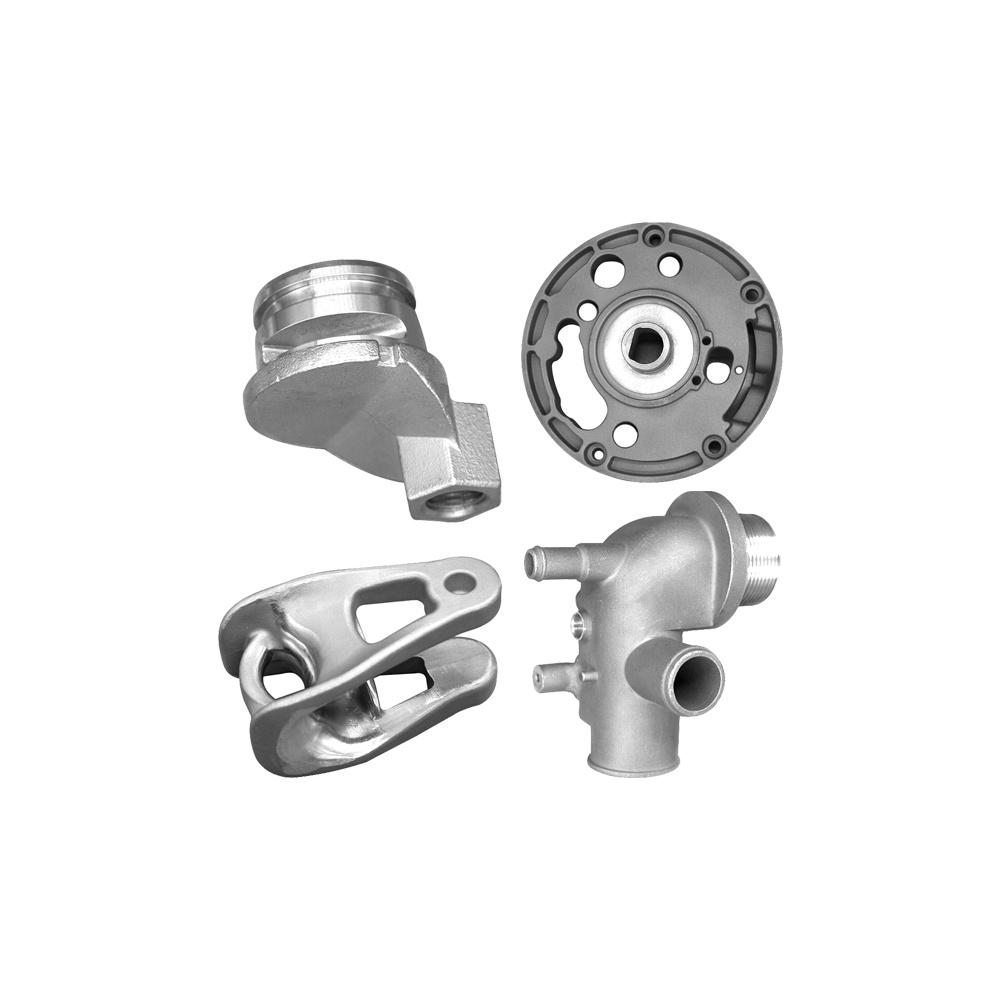
2025-12-14 12:00
Understanding CNC Turning and Milling Parts: A Comprehensive Guide for Precision Manufacturing
CNC (Computer Numerical Control) turning and milling are essential processes in the realm of precision manufacturing. These techniques are widely employed in the machining industry for producing intricate components that meet strict tolerances and specifications. Understanding the fundamentals of CNC turning and milling parts can enhance your knowledge of how these processes contribute to quality
2025-12-09 12:10
A Comprehensive Guide to Household Appliances Maintenance: Keep Your Home Running Smoothly
A Comprehensive Guide to Household Appliances Maintenance Household appliances are the backbone of modern living, providing convenience and efficiency in our daily routines. However, just like any other mechanical devices, they require regular maintenance to function optimally. In this guide, we will explore various household appliances, their maintenance needs, and practical tips to extend their
Let’s Talk
We can help you figure out your needs.