
 Esperanto
 Shqiptare
 Euskara
 Zulu
Zulu
 Latinus
 Cymraeg
 தமிழ்
தமிழ்
 Slovak
 Slovak
 Afrikaans

Choosing the Right Screws and Nuts for Your Industrial Equipment
Release time:
2023-11-16
Source:
Investing in the right screws and nuts for your industrial equipment is crucial for ensuring its longevity and optimal performance. With a multitude of options available in the market, it can be overwhelming to make the right choice. In this comprehensive guide, we will walk you through the essential factors to consider when selecting screws and nuts for your industrial equipment. From understanding different types of fasteners to analyzing their material composition, we will provide valuable insights to help you make an informed decision.
Table of Contents:
1. Understanding the Importance of Choosing the Right Screws and Nuts
2. Different Types of Screws and Nuts
2.1 Hex Head Screws
2.2 Socket Head Screws
2.3 Phillips Head Screws
2.4 Slotted Head Screws
3. Factors to Consider When Selecting Screws and Nuts
3.1 Load-Bearing Capacity
3.2 Environmental Conditions
3.3 Material Compatibility
3.4 Corrosion Resistance
3.5 Ease of Installation and Removal
3.6 Cost Considerations
4. Common Applications and Industrial Equipment Requirements
5. Frequently Asked Questions (FAQs)
5.1 What is the difference between screws and bolts?
5.2 Can I use stainless steel screws in outdoor applications?
5.3 What is the importance of torque in screw installation?
5.4 Are there specific screws for high-temperature environments?
5.5 How do I determine the thread pitch of a screw?
6. Conclusion
1. Understanding the Importance of Choosing the Right Screws and Nuts:
Selecting the appropriate screws and nuts for your industrial equipment is crucial for guaranteeing the structural integrity and operational efficiency of your machinery. Using incorrect or substandard fasteners can result in equipment failure, decreased productivity, and safety hazards. Therefore, it is imperative to consider various factors before making a purchase.
2. Different Types of Screws and Nuts:
2.1 Hex Head Screws:
Hex head screws, also known as hex bolts, are a popular choice due to their versatility, ease of use, and high torque capabilities. They feature a hexagonal head that allows for efficient tightening or loosening using a wrench or socket.
2.2 Socket Head Screws:
Socket head screws, often referred to as Allen screws or Allen bolts, have a cylindrical head with a hexagonal socket. These screws are commonly used in applications where space is limited and aesthetics are important. They provide a sleek and flush appearance while offering excellent torque transmission.
2.3 Phillips Head Screws:
Phillips head screws, characterized by a cross-shaped indentation on the head, are widely used in a range of industries. Their design allows for easy installation using a Phillips screwdriver. However, they may be prone to cam-out and require more careful handling.
2.4 Slotted Head Screws:
Slotted head screws, also known as flathead screws, have a single straight slot on the head. While these screws are simple and cost-effective, they can be challenging to use in applications that require high torque due to their potential for slippage.
3. Factors to Consider When Selecting Screws and Nuts:
3.1 Load-Bearing Capacity:
One of the primary considerations when choosing screws and nuts is their load-bearing capacity. It is crucial to assess the weight and stress that the fasteners will be subjected to in your specific industrial equipment. Opting for screws and nuts with appropriate strength and durability is vital to ensure reliable performance.
3.2 Environmental Conditions:
The environment in which your industrial equipment operates plays a significant role in determining the suitable fasteners. Factors such as temperature variations, moisture levels, exposure to chemicals, and outdoor conditions can affect the longevity and performance of the screws and nuts. Selecting materials that offer resistance to corrosion, oxidation, and other environmental factors is crucial for ensuring optimal functionality.
3.3 Material Compatibility:
To prevent galvanic corrosion and ensure the longevity of your industrial equipment, it is essential to consider the compatibility of different materials. When selecting screws and nuts, ensure that the materials they are made of are compatible with the base material of the equipment. Stainless steel, titanium, and aluminum are commonly used materials known for their compatibility with a wide range of industrial applications.
3.4 Corrosion Resistance:
Industrial equipment often operates in challenging environments that expose the fasteners to corrosive substances. Choosing screws and nuts with excellent corrosion resistance properties is vital to prevent degradation and maintain the integrity of the equipment. Stainless steel fasteners, particularly those made from 316 or 304 grades, are widely preferred for their exceptional corrosion resistance.
3.5 Ease of Installation and Removal:
Considering the ease of installation and removal of screws and nuts can significantly impact maintenance and repair processes. Opting for fasteners that offer easy access, efficient tightening or loosening mechanisms, and compatibility with standard tools can save time and effort during equipment servicing.
3.6 Cost Considerations:
While it is crucial to prioritize quality and performance, cost considerations also play a role in selecting screws and nuts for your industrial equipment. Balancing the budget with the required functionality and durability is essential. It is advisable to consult with suppliers and compare prices while ensuring that cost savings do not compromise the overall quality and reliability of the fasteners.
4. Common Applications and Industrial Equipment Requirements:
Different industries and equipment have varying requirements when it comes to screws and nuts. Understanding the specific needs of your industrial equipment, such as temperature tolerance, vibration resistance, and load-bearing capacities, will guide you in making the right choice. Consult with experts in the field or refer to equipment manuals to determine the recommended fasteners for your machinery.
5. Frequently Asked Questions (FAQs):
5.1 What is the difference between screws and bolts?
Screws are externally threaded fasteners designed to be inserted into pre-drilled or tapped holes, while bolts are typically used with a nut to join two or more components together. Bolts tend to have a blunt end and require a through-hole for installation.
5.2 Can I use stainless steel screws in outdoor applications?
Yes, stainless steel screws are an excellent choice for outdoor applications due to their corrosion resistance. Using stainless steel screws ensures that your equipment remains protected from environmental factors such as moisture and humidity.
5.3 What is the importance of torque in screw installation?
Torque is crucial during screw installation as it ensures proper fastening and prevents under or over tightening. Applying the correct torque helps achieve the desired clamping force, enhancing the stability and durability of the joint.
5.4 Are there specific screws for high-temperature environments?
Yes, certain screws, such as those made from heat-resistant alloys or ceramics, are specifically designed for high-temperature applications. These fasteners can withstand extreme heat and maintain their structural integrity.
5.5 How do I determine the thread pitch of a screw?
Thread pitch refers to the distance between adjacent threads on a screw. To determine the thread pitch, carefully measure the distance between two adjacent crests and divide it by the number of threads per inch or millimeter, depending on the measurement system used.
6. Conclusion:
Selecting the right screws and nuts for your industrial equipment is essential for ensuring its optimal performance, longevity, and safety. By considering factors such as load-bearing capacity, environmental conditions, material compatibility, corrosion resistance, ease of installation, and cost considerations, you can make an informed decision. Remember to consult with industry experts, refer to equipment manuals, and choose reputable suppliers to guarantee the highest quality fasteners for your industrial equipment.
screws and nuts
Related News
2025-12-14 12:00
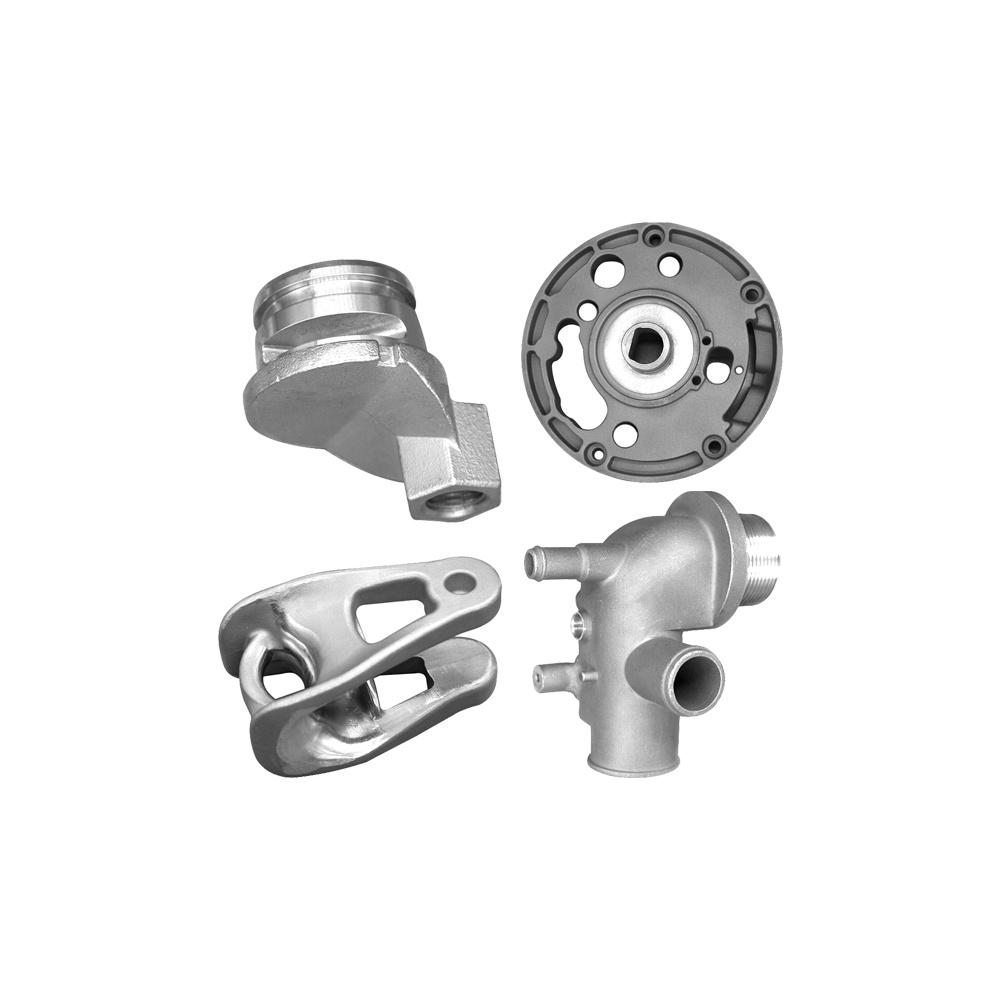
Understanding CNC Turning and Milling Parts: A Comprehensive Guide for Precision Manufacturing
CNC (Computer Numerical Control) turning and milling are essential processes in the realm of precision manufacturing. These techniques are widely employed in the machining industry for producing intricate components that meet strict tolerances and specifications. Understanding the fundamentals of CNC turning and milling parts can enhance your knowledge of how these processes contribute to quality
2025-12-09 12:10
A Comprehensive Guide to Household Appliances Maintenance: Keep Your Home Running Smoothly
A Comprehensive Guide to Household Appliances Maintenance Household appliances are the backbone of modern living, providing convenience and efficiency in our daily routines. However, just like any other mechanical devices, they require regular maintenance to function optimally. In this guide, we will explore various household appliances, their maintenance needs, and practical tips to extend their
Let’s Talk
We can help you figure out your needs.