
 Esperanto
 Shqiptare
 Euskara
 Zulu
Zulu
 Latinus
 Cymraeg
 தமிழ்
தமிழ்
 Slovak
 Slovak
 Afrikaans

Understanding Sheet Metal Fabrication: A Guide for Professionals
Release time:
2023-11-09
Source:
1. Introduction to Sheet Metal Fabrication
Sheet metal fabrication is the process of transforming flat sheets of metal, typically steel or aluminum, into various products and components. It involves cutting, bending, and assembling the metal to create structures used in industries ranging from automotive to aerospace.
2. Common Techniques in Sheet Metal Fabrication
- Cutting: Sheet metal can be cut using different methods, including shearing, laser cutting, and waterjet cutting. Each technique has its advantages and is chosen based on factors like precision requirements and material thickness.
- Bending: The bending process involves using a press brake to shape the metal into desired angles or curves. This technique is crucial for creating parts with specific dimensions and functionality.
- Welding: Welding joins multiple metal pieces together using heat and pressure. It is commonly employed in sheet metal fabrication to enhance structural integrity.
- Forming: Forming techniques like rolling, deep drawing, and stamping shape the metal into three-dimensional forms. These methods are essential for producing complex components such as car body panels or enclosures.
3. Materials Used in Sheet Metal Fabrication
While steel and aluminum are commonly used in sheet metal fabrication, other materials like copper, brass, and titanium can also be employed. The choice of material depends on factors such as strength requirements, corrosion resistance, and cost-effectiveness.
4. Applications of Sheet Metal Fabrication
Sheet metal fabrication finds application in various industries, including:
- Automotive: Manufacturing car bodies, engine components, and exhaust systems.
- Aerospace: Creating aircraft fuselage, wings, and interior components.
- Electronics: Designing enclosures for electronic devices and equipment.
- Construction: Fabricating HVAC systems, roofing panels, and structural components.
5. Advantages of Sheet Metal Fabrication
- Customization: Sheet metal can be easily manipulated to create precise shapes and sizes, making it highly customizable for specific requirements.
- Strength and Durability: Sheet metal products offer excellent strength and durability, ensuring longevity and reliability.
- Cost-Effective: Sheet metal fabrication processes are often cost-effective, allowing for mass production while maintaining quality.
- Recyclability: Sheet metal is 100% recyclable, making it an environmentally friendly choice.
In conclusion, sheet metal fabrication is a crucial aspect of the manufacturing and processing machinery industry, particularly in the domain of metalworking and sheet metal processing. Professionals in this field must grasp the various techniques, materials, and applications to excel in their respective roles.
sheet metal fabrication
Related News
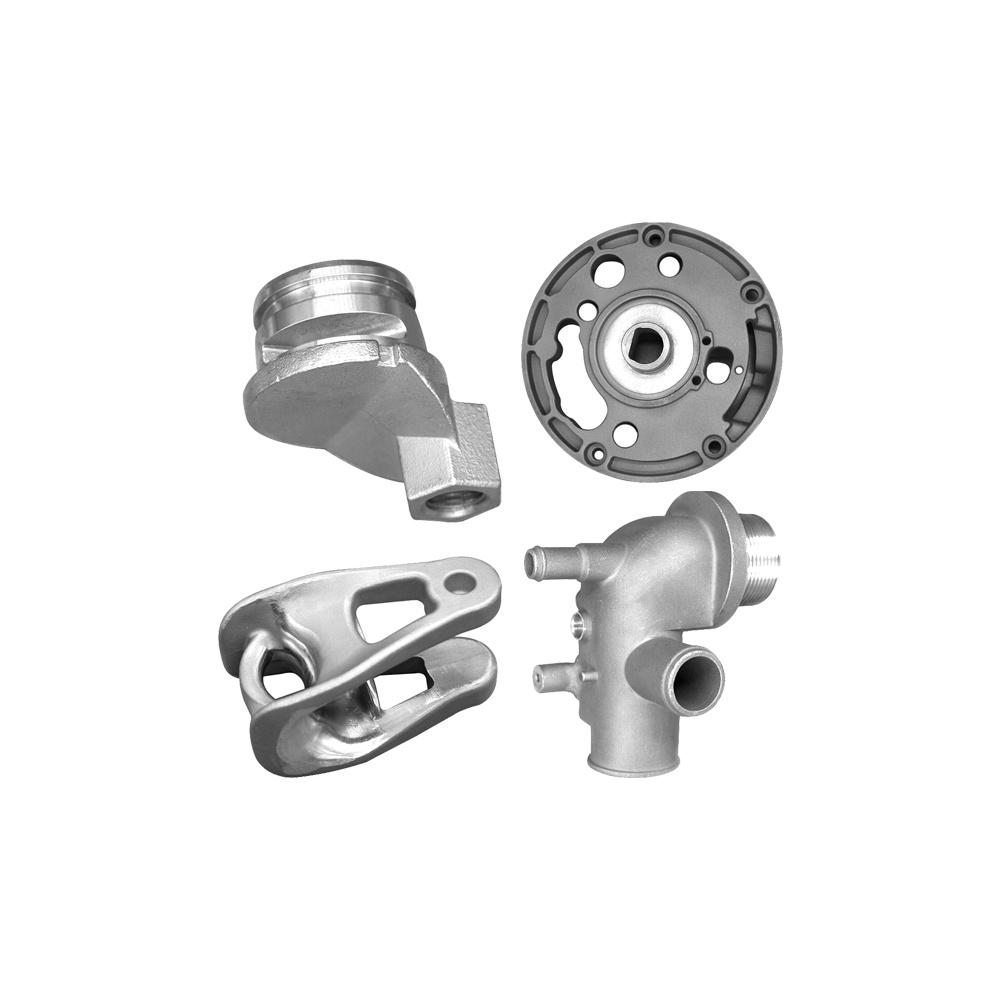
2025-12-14 12:00
Understanding CNC Turning and Milling Parts: A Comprehensive Guide for Precision Manufacturing
CNC (Computer Numerical Control) turning and milling are essential processes in the realm of precision manufacturing. These techniques are widely employed in the machining industry for producing intricate components that meet strict tolerances and specifications. Understanding the fundamentals of CNC turning and milling parts can enhance your knowledge of how these processes contribute to quality
2025-12-09 12:10
A Comprehensive Guide to Household Appliances Maintenance: Keep Your Home Running Smoothly
A Comprehensive Guide to Household Appliances Maintenance Household appliances are the backbone of modern living, providing convenience and efficiency in our daily routines. However, just like any other mechanical devices, they require regular maintenance to function optimally. In this guide, we will explore various household appliances, their maintenance needs, and practical tips to extend their
Let’s Talk
We can help you figure out your needs.