
 Esperanto
 Shqiptare
 Euskara
 Zulu
Zulu
 Latinus
 Cymraeg
 தமிழ்
தமிழ்
 Slovak
 Slovak
 Afrikaans

Orthopaedics Fittings: The Key to Efficient Medical Device Solutions
Release time:
2023-11-05
Source:
Orthopaedics fittings encompass a wide range of medical devices that aid in the proper alignment, support, and functionality of the musculoskeletal system. These fittings are designed to address various orthopaedic conditions, ranging from fractures to deformities, and are tailored to meet individual needs. By utilizing advanced technologies and materials, orthopaedics fittings can enhance patients' quality of life and promote a faster recovery process.
One common type of orthopaedics fitting is a brace, which provides external support to joints and muscles. Braces are commonly used to stabilize and immobilize injured areas, allowing the body to heal effectively. For instance, athletes often rely on knee braces to prevent or recover from sports-related injuries. These fittings are meticulously designed to offer the right balance of support, flexibility, and comfort required for optimal performance.
Another essential orthopaedics fitting is the prosthetic limb, which replaces a missing body part. Prosthetics have come a long way in terms of functionality, with innovative designs that mirror natural movements. These fittings enable individuals to regain mobility and independence, ultimately improving their overall well-being. Advancements in prosthetic technology, such as myoelectric control and lightweight materials, have revolutionized the field and provided amputees with life-changing solutions.
Orthopaedics fittings also play a crucial role in addressing conditions such as scoliosis, a curvature of the spine. Scoliosis braces are customized to fit an individual's unique body shape and provide corrective forces to gradually improve spinal alignment. These braces allow patients to manage their condition effectively, prevent further progression, and avoid the need for invasive surgery.
The benefits of orthopaedics fittings extend beyond patient care. Professionals in the healthcare sector rely on these fittings to optimize their treatment plans and enhance clinical outcomes. Surgeons, for example, utilize patient-specific orthopaedic guides and templates to ensure precise implant placement during procedures. These guides improve surgical accuracy, reduce operating time, and minimize potential risks.
In conclusion, orthopaedics fittings play a vital role in the medical device industry, catering to the diverse needs of patients and healthcare professionals. From braces to prosthetic limbs and specialized guides, these fittings provide effective solutions for orthopaedic conditions, ensuring optimal support, functionality, and comfort. By continuously integrating innovative technologies and materials, orthopaedics fittings contribute to the advancement of patient care and the overall well-being of individuals in need.
orthopaedics fittings
Related News
2025-12-14 12:00
Understanding CNC Turning and Milling Parts: A Comprehensive Guide for Precision Manufacturing
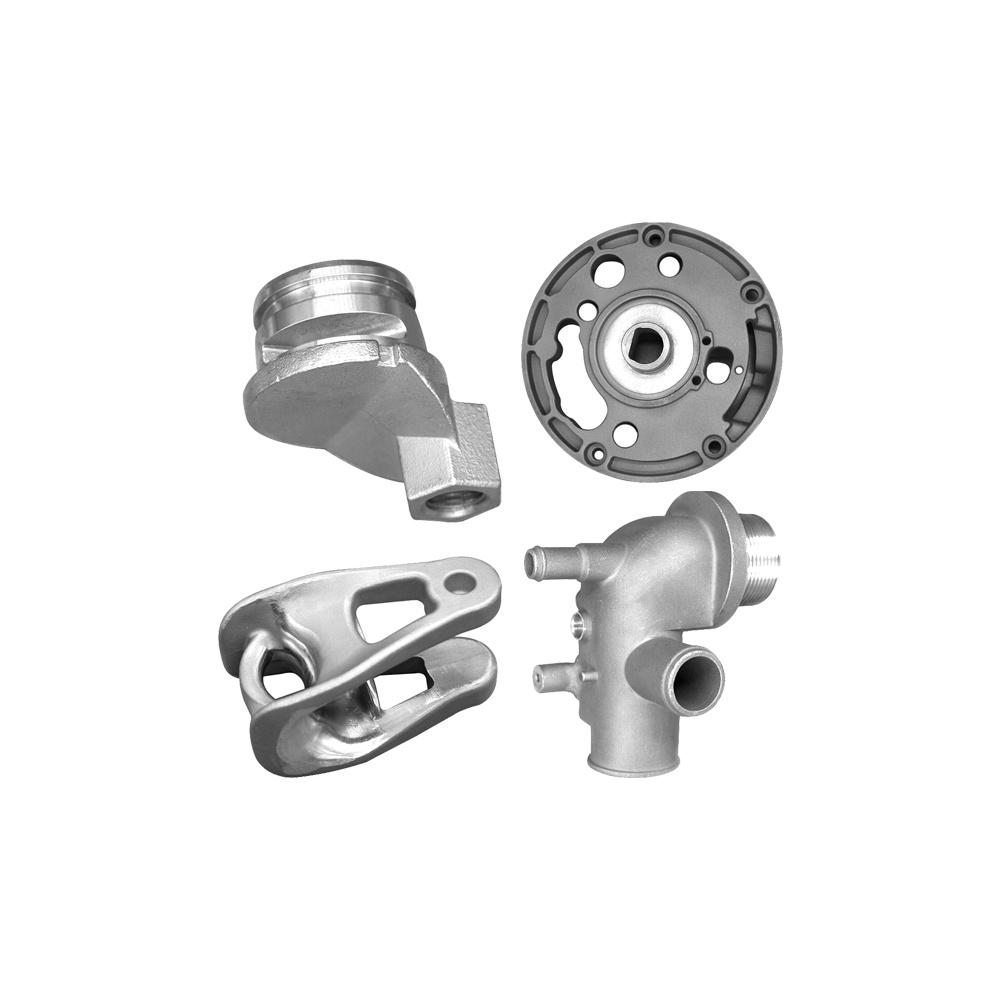
CNC (Computer Numerical Control) turning and milling are essential processes in the realm of precision manufacturing. These techniques are widely employed in the machining industry for producing intricate components that meet strict tolerances and specifications. Understanding the fundamentals of CNC turning and milling parts can enhance your knowledge of how these processes contribute to quality
2025-12-09 12:10
A Comprehensive Guide to Household Appliances Maintenance: Keep Your Home Running Smoothly
A Comprehensive Guide to Household Appliances Maintenance Household appliances are the backbone of modern living, providing convenience and efficiency in our daily routines. However, just like any other mechanical devices, they require regular maintenance to function optimally. In this guide, we will explore various household appliances, their maintenance needs, and practical tips to extend their
Let’s Talk
We can help you figure out your needs.