
 Esperanto
 Shqiptare
 Euskara
 Zulu
Zulu
 Latinus
 Cymraeg
 தமிழ்
தமிழ்
 Slovak
 Slovak
 Afrikaans

Exploring the Wonders of Bushings and Rings A Comprehensive Guide
Release time:
2023-10-09
Source:
Bushings and rings are integral components in the design and function of many mechanical systems. These simple yet effective components work together to optimize performance, reduce friction, and ensure proper operation. In this comprehensive guide, we will delve into the world of bushings and rings, exploring their applications, types, materials, and how they contribute to the overall efficiency of your machine.
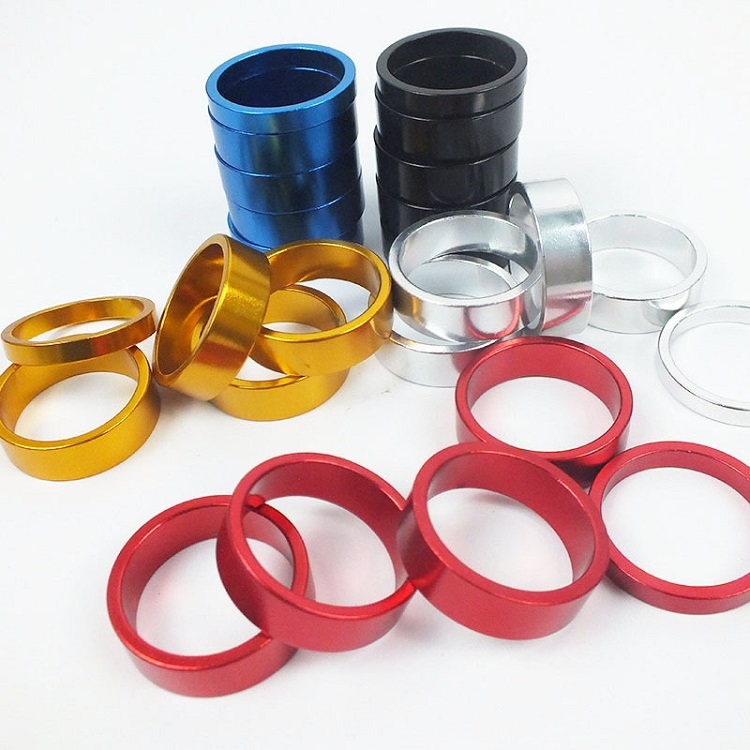
Understanding Bushings and Rings
Bushings and rings are both circular or cylindrical components that are commonly used in a wide range of industries, including automotive, aerospace, manufacturing, and electronics. They play a crucial role in connecting and sealing various components within a system, ensuring proper lubrication, reducing friction, and preventing damage.
Bushings: These components are designed to fit securely inside another component, such as a shaft or a cylinder. They come in different shapes and sizes, depending on the application. Some common types of bushings include ball bearing bushings, sleeve bearing bushings, and cartridge bearing bushings. They are typically made from materials like steel, brass, or ceramic, and can be manufactured with or without retainers.
Rings: On the other hand, rings are used to encircle other components and provide a seal. They can be made from various materials, including metals like steel, aluminum, and copper, as well as plastics and composites. Rings are often used in liquid management systems, such as pump impellers or gearboxes, to prevent leaks and maintain a consistent flow rate.
Applications of Bushings and Rings
Bushings and rings have a wide range of applications across various industries. Here are some examples of how these components are used:
Automotive: In the automotive industry, bushings and rings are essential for maintaining the smooth operation of various vehicle systems, such as engines, transmissions, and axles. They help reduce friction and wear and ensure proper alignment of components.
Aerospace: In the aerospace industry, bushings and rings play a critical role in the design of aircraft engines and other high-performance systems. They help prevent damage from vibrations and ensure the efficient transfer of power between components.
Manufacturing: In manufacturing plants, bushings and rings are used in various machinery and equipment to improve performance, reduce maintenance costs, and increase productivity. For example, they can be found in lathes, milling machines, and drilling rigs.
Electronics: In the electronics industry, bushings and rings are used in various electronic devices, such as radios, televisions, and computer hardware. They help maintain proper signal quality and protect delicate components from damage.
Materials Used in Bushings and Rings
The choice of material for bushings and rings depends on the specific application and requirements of the system. Some common materials used in these components include:
Steel: Steel is a popular material for bushings due to its strength, durability, and corrosion resistance. It is often used in applications that require high load handling capacity or where a long lifespan is required.
Aluminum: Aluminum is an excellent choice for bushings because it is lightweight yet strong. It is commonly used in applications where weight reduction is necessary, such as in automotive or aerospace engineering.
Copper: Copper is a highly conductive material that is often used in electromagnetic applications, such as motors and generators. It is also an excellent option for bushings because of its thermal stability and ability to withstand high temperatures.
Plastic: Plastic bushings and rings are becoming increasingly popular due to their low cost, ease of manufacture, and flexibility. They are suitable for applications where hygiene is important or where the product may be exposed to harsh chemicals.
Bushings and rings play a vital role in the performance and efficiency of various mechanical systems. Their simple yet effective design ensures proper operation while reducing friction and preventing damage. By understanding the applications, types, materials, and benefits of these components, you can make informed decisions when selecting the right bushings and rings for your needs. With their extensive range of applications across various industries, bushings and rings are truly universal components that enhance the functionality and reliability of your machinery.
Bushings and Rings
Related News
2025-12-14 12:00
Understanding CNC Turning and Milling Parts: A Comprehensive Guide for Precision Manufacturing
CNC (Computer Numerical Control) turning and milling are essential processes in the realm of precision manufacturing. These techniques are widely employed in the machining industry for producing intricate components that meet strict tolerances and specifications. Understanding the fundamentals of CNC turning and milling parts can enhance your knowledge of how these processes contribute to quality

2025-12-09 12:10
A Comprehensive Guide to Household Appliances Maintenance: Keep Your Home Running Smoothly
A Comprehensive Guide to Household Appliances Maintenance Household appliances are the backbone of modern living, providing convenience and efficiency in our daily routines. However, just like any other mechanical devices, they require regular maintenance to function optimally. In this guide, we will explore various household appliances, their maintenance needs, and practical tips to extend their
Let’s Talk
We can help you figure out your needs.