
 Esperanto
 Shqiptare
 Euskara
 Zulu
Zulu
 Latinus
 Cymraeg
 தமிழ்
தமிழ்
 Slovak
 Slovak
 Afrikaans

Unleashing the Power of Sheet Metal Fabrication: A Comprehensive Guide
Release time:
2024-09-03
Source:
Unleashing the Power of Sheet Metal Fabrication: A Comprehensive Guide
Table of Contents
- 1. Introduction to Sheet Metal Fabrication
- 2. Understanding Sheet Metal Fabrication
- 3. Benefits of Sheet Metal Fabrication
- 4. Common Techniques in Sheet Metal Fabrication
- 5. Materials Used in Sheet Metal Fabrication
- 6. Applications of Sheet Metal Fabrication
- 7. Choosing the Right Fabrication Partner
- 8. Future Trends in Sheet Metal Fabrication
- 9. FAQs About Sheet Metal Fabrication
- 10. Conclusion
1. Introduction to Sheet Metal Fabrication
Sheet metal fabrication is a pivotal process in manufacturing, encompassing a variety of operations that transform flat metal sheets into useful products. This guide aims to delve deep into the world of sheet metal fabrication, shedding light on its significance, advantages, and applications across various industries.
2. Understanding Sheet Metal Fabrication
Sheet metal fabrication involves several techniques designed to manipulate metal sheets into specific shapes and forms. Fabrication processes may include cutting, bending, welding, and assembling metal parts. The versatility of sheet metal allows for a wide range of applications, from simple brackets to complex enclosures.
The Fabrication Process: An Overview
The fabrication process typically starts with **designing** the product using CAD software, followed by the selection of appropriate metal sheets. Techniques such as **laser cutting**, **plasma cutting**, and **water jet cutting** are employed to achieve precise dimensions.
Importance of Precision in Fabrication
Precision is crucial in sheet metal fabrication, as it directly affects the quality and functionality of the final product. A slight deviation in measurements can lead to significant issues during assembly or usage.
3. Benefits of Sheet Metal Fabrication
The advantages of sheet metal fabrication are numerous, making it a preferred choice for many manufacturers.
Cost-Effective Manufacturing
One of the primary benefits of sheet metal fabrication is its cost-effectiveness. The process is efficient, minimizing material waste and reducing production costs.
Design Flexibility
Sheet metal fabrication allows for immense flexibility in design. Manufacturers can create custom shapes and sizes, accommodating diverse project requirements.
Durability and Strength
Fabricated sheet metal products are known for their durability and strength. The properties of the metal enable the creation of robust structures capable of withstanding various environmental conditions.
Rapid Prototyping
The speed at which sheet metal prototypes can be produced is another significant advantage. Rapid prototyping helps businesses bring their products to market faster, facilitating competitive advantage.
4. Common Techniques in Sheet Metal Fabrication
Understanding the techniques used in sheet metal fabrication is crucial for selecting the right method for your project.
Cutting Techniques
- **Laser Cutting**: Known for its precision, laser cutting utilizes a high-powered laser to cut through metal sheets.
- **Plasma Cutting**: This technique employs a plasma torch to make fast cuts on thicker metals.
- **Water Jet Cutting**: Utilizing high-pressure water mixed with abrasives, this method is excellent for intricate designs.
Bending Techniques
Bending processes such as **folding** and **press brake forming** allow metal sheets to be shaped into angles or curves.
Welding Techniques
Welding joins metal pieces together through melting and fusing, ensuring strong bonds in finished products. Techniques include **TIG welding**, **MIG welding**, and **spot welding**.
5. Materials Used in Sheet Metal Fabrication
The choice of material significantly impacts the fabrication process and the characteristics of the final product.
Common Metals Used
- **Steel**: Widely used due to its strength and versatility.
- **Aluminum**: Known for its lightweight and corrosion resistance.
- **Stainless Steel**: Offers excellent durability and resistance to oxidation.
- **Copper**: Valued for its conductivity and aesthetic appeal.
Choosing the Right Material
Selecting the appropriate material depends on factors such as the intended use, environmental conditions, and budget constraints.
6. Applications of Sheet Metal Fabrication
Sheet metal fabrication finds applications in numerous industries, showcasing its versatility.
Automotive Industry
In the automotive sector, sheet metal fabrication is used in creating body panels, chassis, and various components that contribute to vehicle structure and aesthetics.
Aerospace Industry
The aerospace industry relies on sheet metal for the production of airplane fuselages, wings, and intricate parts requiring lightweight yet strong materials.
Construction Industry
Sheet metal plays a significant role in construction, being used for roofing, HVAC systems, and structural supports.
7. Choosing the Right Fabrication Partner
Selecting a reliable sheet metal fabrication partner is critical for project success. Consider the following factors:
Experience and Expertise
Look for manufacturers with extensive experience in the specific type of fabrication you require. Their expertise will ensure quality and precision.
Technology and Equipment
A well-equipped fabrication partner will possess advanced technology and machinery, facilitating efficient production and high-quality output.
Customer Service and Support
Choose a partner that values customer service. Effective communication and support can significantly enhance your collaboration experience.
8. Future Trends in Sheet Metal Fabrication
The landscape of sheet metal fabrication is continuously evolving. Key trends to watch include:
Automation and Robotics
The integration of automation and robotics is making fabrication processes more efficient, reducing labor costs while increasing precision.
Sustainable Practices
Sustainability is becoming increasingly important in manufacturing. Fabricators are adopting eco-friendly materials and processes to minimize environmental impact.
Advanced Materials
Innovation in materials science leads to the development of lightweight, high-strength materials, enhancing the capabilities of sheet metal fabrication.
9. FAQs About Sheet Metal Fabrication
What is sheet metal fabrication?
Sheet metal fabrication is the process of converting flat sheets of metal into usable products through various techniques like cutting, bending, and welding.
What materials are commonly used in sheet metal fabrication?
Common materials include steel, aluminum, stainless steel, and copper, selected based on the project's specific requirements.
What industries utilize sheet metal fabrication?
Sheet metal fabrication is widely used across the automotive, aerospace, construction, and electronics industries, among others.
How does precision affect the fabrication process?
Precision is critical as it ensures the accuracy and functionality of the final product, impacting assembly and overall quality.
What are the advantages of using automation in sheet metal fabrication?
Automation enhances efficiency, reduces labor costs, and improves accuracy, allowing for faster production cycles and higher-quality outputs.
10. Conclusion
Sheet metal fabrication is an essential process in modern manufacturing, offering diverse applications and unmatched versatility. By understanding its techniques, materials, and future trends, businesses can harness its power to innovate and excel in their respective fields. As the industry evolves, staying informed and adapting to new technologies will be crucial for success in sheet metal fabrication. Embrace the potential of this process to elevate your manufacturing capabilities and drive your business forward.
Sheet Metal Fabrication
Related News
2025-12-09 12:10
A Comprehensive Guide to Household Appliances Maintenance: Keep Your Home Running Smoothly
A Comprehensive Guide to Household Appliances Maintenance Household appliances are the backbone of modern living, providing convenience and efficiency in our daily routines. However, just like any other mechanical devices, they require regular maintenance to function optimally. In this guide, we will explore various household appliances, their maintenance needs, and practical tips to extend their
2025-12-04 12:00
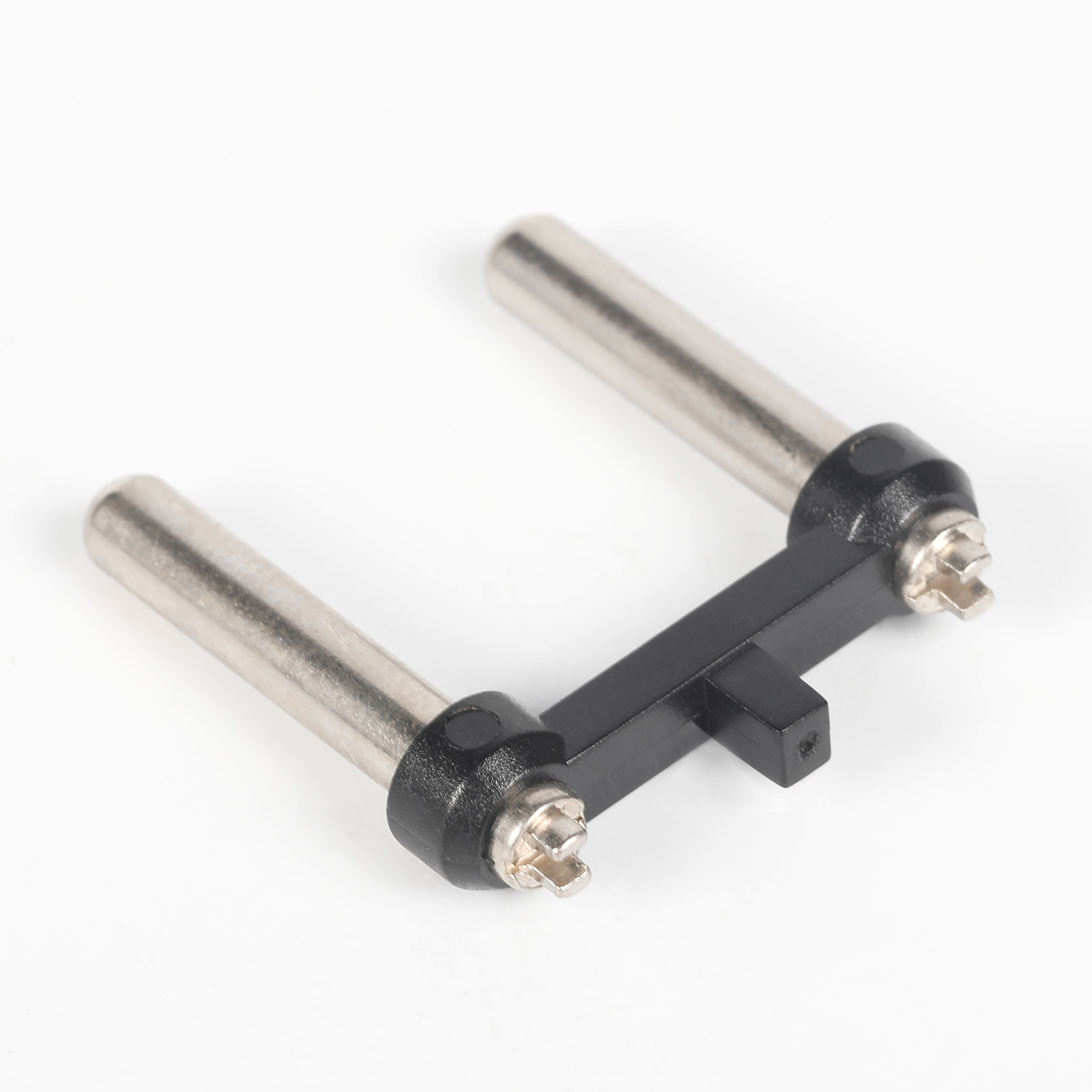
Understanding Electrical Adapters: Your Guide to Efficient Power Solutions
Electrical adapters are crucial components in the realm of electrical and electronic devices, serving as intermediaries that facilitate the connection between different power sources and devices. They enable users to leverage the electrical supply in a manner that is both safe and efficient. Understanding the various types of electrical adapters and their functionalities is essential for anyone in
Let’s Talk
We can help you figure out your needs.